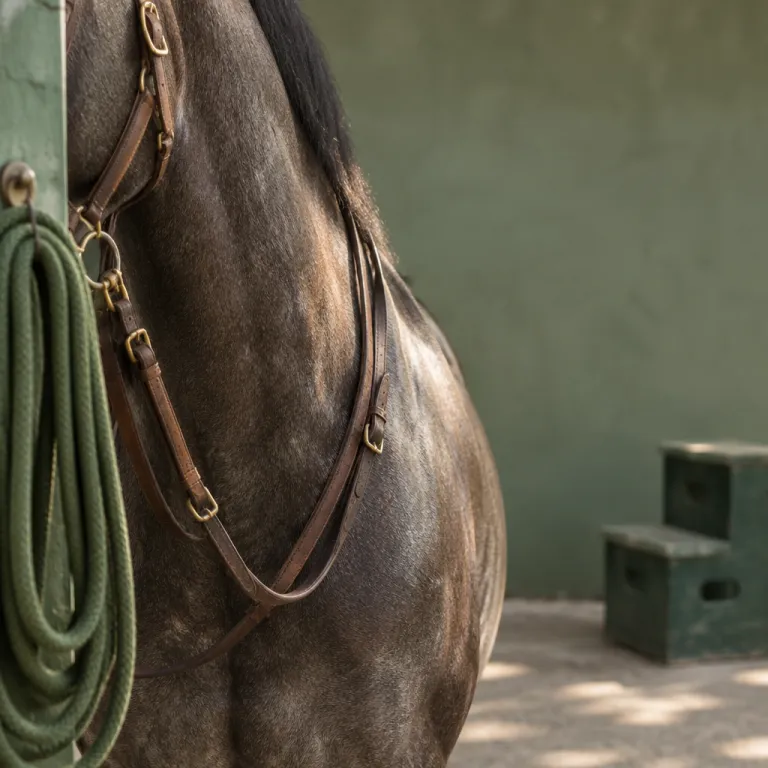
Why Lusitano riding lessons in the Alentejo feel different
The first thing you notice in the Alentejo is the silence. Then you see the Lusitano horses standing in the dressage countryside, compact and alert, bred for work yet moving with an easy classical grace. For many travelers, lusitano riding lessons Alentejo offer a calm, structured way into this landscape, whether you ride regularly or have never sat in a saddle.
The Lusitano is Portugal’s ancient working horse, shaped by centuries of equestrian art in royal arenas and on cattle estates. These lusitano horses are famously steady and intelligent, which is why many portuguese riders trust them with complete beginners on their first ride. When you book a stay at a rural stud farm or converted monte dos estate, you often find that riding hours are woven into the rhythm of the day rather than treated as a bolt on activity.
Across portugal Alentejo, coudelarias — the traditional breeding farms — now welcome guests who simply want to understand the horses before they think about trail rides. A typical morning might start with grooming and groundwork, then a short session in the school equestrian arena, and finally a gentle ride along a farm trail if everyone feels confident. For a solo explorer choosing a premium room in a quiet monte velho style property or at a place like dos aroeirais, the promise is simple ; you will meet the Lusitano on its own terms, not as a theme park attraction.
What a beginner lesson at a coudelaria actually involves
Luxury hotels in the Alentejo increasingly partner with nearby coudelarias to offer structured lusitano riding lessons Alentejo guests can trust. A beginner session usually starts on the ground, where you learn how these portuguese horses read your posture and your breathing. That first contact matters, because it sets the tone for everything that follows in the arena and on any later rides.
Once you move into the school equestrian ring, the focus turns to balance and clear signals rather than speed. Instructors trained in alentejo dressage traditions often use a mix of classical dressage exercises and simple patterns at the walk, sometimes adding a few steps of trot when the rider feels ready. The aim is not to turn you into competition riders in a single day, but to give you enough confidence that a short ride through the dressage countryside feels natural rather than intimidating.
More experienced riders can request intensive sessions that go deeper into equestrian art, from lateral work to collected transitions on highly schooled lusitano horses. These intensive lessons might be split across several riding hours, with time to watch advanced portuguese riders schooling in the arena between your own rides. If you plan to book this kind of programme, ask in advance whether the calendar is already fully booked and whether rider sharing of horses is expected during peak periods.
From arena to landscape: trail rides, seasons and the wider horse culture
Once you are comfortable in the arena, the real magic of lusitano riding lessons Alentejo often happens outside the fence. Many estates offer short trail rides that loop through cork oak groves, wheat fields and low stone walls, keeping the pace gentle so beginners can look up and breathe. On cooler days, a slightly longer trail might follow old farm tracks towards the alentejo coastal hills, where the air smells faintly of salt and cistus.
For non riders, the culture around alentejo dressage is just as compelling as the rides themselves. You might watch a portuguese school style session where a trainer works through classical dressage figures, explaining how movements once used in battle evolved into today’s equestrian art. Evening demonstrations sometimes pair horseback riding with regional food and wine, and you can deepen that sense of place later with a quiet stargazing walk under the Dark Sky Reserve, as described in this guide to after dark at Alqueva.
Season matters more than many first time visitors expect, especially if your trip revolves around riding. Summer afternoons in portugal Alentejo can be too hot for comfortable trail rides, so most coudelarias concentrate riding hours in the early morning and late evening. Autumn and spring bring softer light and cooler air, which means you will enjoy both your ride and the long alentejo day that stretches from breakfast in your premium room to a late dinner on the terrace.
How to choose a welfare first riding operation near your hotel
Not every stable offering lusitano riding lessons Alentejo style operates to the same standard, so your choice matters. A serious operation will put horse welfare and rider safety ahead of photo opportunities, even if that means suggesting groundwork instead of a trail ride on your first day. When you send a request to book, pay attention to how clearly they explain the structure of lessons, the type of horses used and any limits on rider weight or experience.
On arrival, look at the horses before you look at the arena. Healthy lusitano horses should move freely, with clean limbs, bright eyes and no obvious pressure marks from tack after riding hours. Stables should be clean, with access to shade and water, and staff should be willing to talk through how many rides each horse does per day and how they schedule rest, especially when the calendar is close to fully booked.
Ask specific questions about group sizes, rider sharing of horses and whether they charge a single supplement for solo riders in private lessons. A transparent coudelaria will be upfront about pricing in EUR, about how they match riders to horses and about what happens if weather or heat makes a planned trail unsafe. If your luxury hotel works regularly with a particular stud farm or monte dos estate, the concierge can often share honest feedback from previous guests rather than a generic brochure line.
Pairing your estate stay with Lusitano experiences across the region
For many travelers, the sweet spot is a hotel where the rhythm of the day bends gently around the stables. You wake in a premium room that opens onto paddocks, take breakfast while riders warm up in the arena, then walk down for your own ride once the light softens. Properties styled after monte velho or dos aroeirais often sit close to working farms, which means you can watch everyday portuguese riding culture rather than a staged show.
If you are flying into Lisbon Airport, the drive south into portugal Alentejo takes you from city ring roads to open plains in a couple of hours. Some hotels can arrange transfers that stop at a stud farm en route, so your first contact with the region is the quiet of a stable yard rather than a crowded lobby. When you book, ask whether they can coordinate both your riding lessons and any non equestrian activities, such as a 4x4 cork forest tour described in this piece on a day in the cork oak forest.
Food is another way hotels anchor horseback riding in the wider landscape, and the best properties treat the table as seriously as the tack room. After morning trail rides, you might sit down to local cheeses and bread, deepening your sense of place with the help of this guide to the Alentejo cheese board. A well curated stay will balance riding hours with long lunches, pool time and quiet evenings, so your trip feels like a complete immersion rather than an intensive equestrian boot camp.
Planning your trip: practicalities for solo explorers and first timers
Planning a trip around lusitano riding lessons Alentejo style is easier when you start with your own experience level. If you are a complete beginner, tell both your hotel and the coudelaria that you want gentle lessons rather than ambitious trail rides, and be honest about any nerves. Experienced riders can request more intensive dressage sessions, but should still respect that these are living horses, not machines for a checklist of movements.
Solo travelers often worry about costs, especially when they see references to a single supplement on hotel rate sheets. In practice, many rural properties in portugal Alentejo offer flexible pricing for solo guests, particularly outside peak periods when they are not fully booked. When you book, ask whether they can pair you with other riders for shared trail rides or whether private lessons in the school equestrian arena are better value in EUR for your dates.
Think about logistics too, from transfers from Lisbon Airport to how you will move between your premium room and any off site stud farm. Some hotels keep their own small string of lusitano horses, while others partner with nearby monte dos estates that specialise in alentejo dressage and equestrian art. Either way, clear communication before your trip — about riding hours, group sizes, languages spoken by instructors and what to pack — will make your first ride in this part of Portugal feel as effortless as it looks from the terrace.
FAQ
Do I need riding experience to take Lusitano lessons in the Alentejo ?
You do not need previous riding experience to start with Lusitano lessons in the Alentejo. Many coudelarias specialise in welcoming beginners, using calm horses and structured groundwork before any ride. Tell your hotel and instructor honestly about your level so they can design a safe, confidence building session.
What should I wear for horseback riding at an Alentejo estate ?
Wear long, comfortable trousers, closed shoes with a small heel and a breathable top suitable for the alentejo climate. Most serious operations provide helmets, but you can request confirmation when you book. In warmer months, plan for early riding hours and bring sunscreen, sunglasses and a light layer for cooler mornings.
When is the best time of year for trail rides in the Alentejo ?
The most comfortable periods for trail rides in the Alentejo are spring and autumn, when temperatures are milder. Summer can be very hot, so rides usually take place early in the morning or near sunset. Winter can still be pleasant, but rain and wind sometimes limit riding options on open trails.
How far are Alentejo riding estates from Lisbon Airport ?
Many Alentejo estates that offer Lusitano riding sit around 1,5 to 2,5 hours by car from Lisbon Airport. The northern Alentejo is closer, while properties near the alentejo coastal areas take a little longer. Some luxury hotels arrange private transfers directly to the estate, which is worth requesting when you plan your trip.
Can non riders enjoy a stay at a horse focused Alentejo hotel ?
Non riders can still enjoy a stay at a horse focused hotel in the Alentejo, because the culture around the Lusitano goes far beyond the arena. You can watch dressage training, walk the farm trails on foot, join wine tastings and explore local food traditions. Many properties balance equestrian activities with pools, spa treatments and quiet spaces, so every guest finds their own pace.
Suggested further reading : Turismo de Portugal, Associação Portuguesa de Criadores do Cavalo Puro Sangue Lusitano, and Dark Sky Alqueva Reserve.