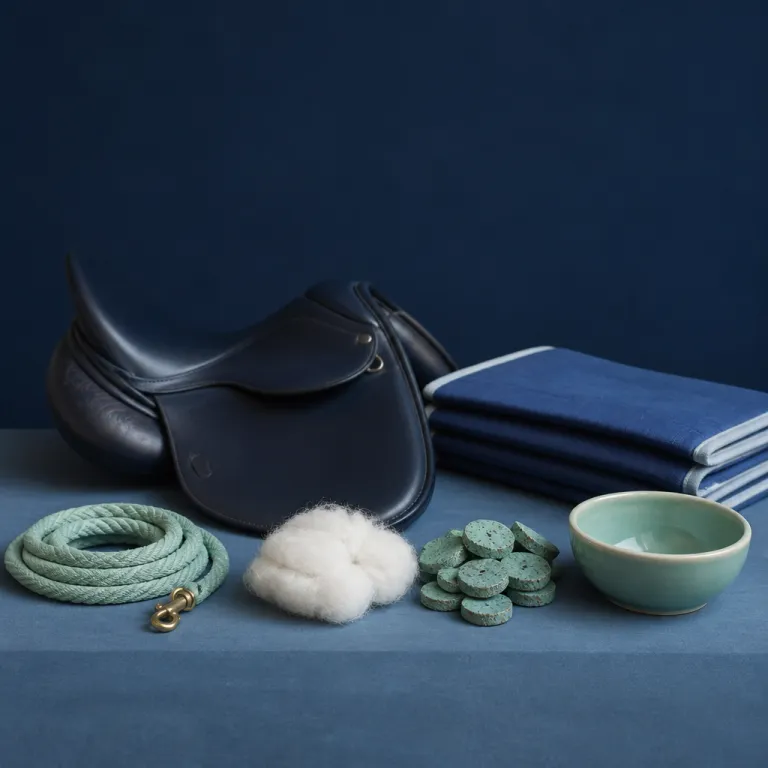
The Lusitano horse and why the Alentejo rides differently
Horseback riding Alentejo Lusitano experiences begin with the breed itself. A Lusitano horse is not just a horse; it is a Portuguese horse breed known for agility and temperament, and that balance of power and calm is exactly what you feel when you ride across the open montado. In the Alentejo region, these horses have been shaped by cattle work, classical dressage and long riding days between estates, so they move with a collected energy that suits both advanced riders and thoughtful beginners.
Across Alentejo Portugal, around 5 000 Lusitano horses are registered, according to figures published by the Portuguese Association of Lusitano Horse Breeders, and many of the finest lines are bred quietly on working farms rather than showy resorts. Herdade da Malhadinha Nova, Alter Stud Farm and Jupiter Classical Dressage are three names that serious riders will recognise, each coudelaria pairing Lusitano horse genetics with careful training for classical work and trail riding. When you plan any day riding itinerary, ask whether the horses riding with you are pure Lusitano or Lusitano crosses, because that detail often signals how well the herd is schooled for mixed terrain and varied riding ability.
For a solo explorer, the appeal is intimate contact with horses that respond to the lightest aids. You feel the Alentejo region through the horse’s back as it threads between cork oaks, rather than through a car window on the highway from Lisbon. Many riders say that a single long ride here will recalibrate what they expect from riding hours elsewhere, because the Lusitano’s stamina and balance make three or four hours riding feel surprisingly fluid.
From montado to the sea: bridleway networks and coastal trail routes
The Alentejo coastal strip offers some of the most atmospheric horse riding in Portugal. Inland, bridleways cross wheat fields and vineyards; towards the ocean, they become sandy tracks that link pine forest, dunes and the occasional riding beach where horses can paddle at low tide. A well planned coastal trail will often combine both, starting in the montado and finishing with the salt tang of the Atlantic on your lips.
Near the mountains Cercal, south of Santiago do Cacém, several estates map multi day riding itineraries that link rural guesthouses and traditional monte dos farmsteads. Expect varied riding days, with two to five riding hours depending on your riding ability and the season, and terrain that shifts from gentle tracks to short, steeper climbs above the valleys. Some routes follow old shepherd paths, while others use forestry tracks that are wide and good underfoot for mixed groups of riders.
If you are combining horseback riding Alentejo Lusitano adventures with other outdoor experiences, look at how bridleways intersect with 4x4 and walking routes. A useful reference is the detailed field report on a cork oak forest jeep itinerary at how a day in the cork oak forest actually unfolds, which mirrors the same montado mosaics you will cross on horseback. When planning, ask your hotel concierge or host to explain which sections are best suited to your current riding hours comfort level, and which stretches of alentejo coastal track are reserved for guided groups only.
Estate based rides, guided trails and how to book from your hotel
Booking horseback riding Alentejo Lusitano experiences usually starts with a choice between estate based hacks and linear trail rides. Estate rides keep you on one property, often a working farm or wine estate, where you ride for one or two hours riding through vines, olive groves and cork stands before returning for lunch or wine tasting. Guided trail rides, by contrast, link several properties over multiple riding days, with luggage transfer handled by a support vehicle while riders move between different landscapes.
Luxury hotels in the Alentejo region increasingly partner with local coudelarias and tour operators to curate both formats. Some properties near Beja and Évora will arrange private transfer from Lisbon, check your riding ability in advance and match you with a suitable horse before you even arrive at the stables. Others work with rider sharing models, where solo guests join a small group of riders for a set day riding program, often with a modest single supplement if you prefer your own room during a dinner overnight stop.
When you book through a premium hotel, ask detailed questions about the horses riding with you, the ratio of guides to riders and the exact riding hours per day. As a rough guide, a one day itinerary might include two riding blocks of 1.5 to 2 hours with a long lunch in between, while a three day program could build from shorter estate loops on day one to a longer coastal trail section by day three. Night owls might enjoy pairing an afternoon ride with a late rural sky session, using the stargazing guidance described in the feature on Alqueva’s quietest hours after dark. Whether you choose a single estate ride or a longer coastal trail, insist on clear information about helmets, insurance and what level of riding beach access is realistic for your schedule.
What the Alentejo reveals from the saddle: a rider’s eye view
From horseback, the Alentejo Portugal landscape feels both larger and more legible. You notice the way cork oaks are cut, the pattern of vines on a north facing slope, the cool pockets where horses pause to breathe under stone pines. A slow ride lets you read the land as generations of local farmers and riders have done, rather than as a blur between motorway service stations.
On a long day riding, the rhythm becomes almost meditative. You move from the soft sand of an alentejo coastal path to firmer red earth, then to a shaded stream crossing where your horse drinks while you listen to the bells of distant sheep. Guides often encourage quiet stretches with no talking, just riders and horses riding in single file, so that you can hear the wind in the wheat and the creak of leather as clearly as the ocean when you finally reach a riding beach.
For solo travellers, this perspective is especially powerful because you are fully present with your horse and the guide, not distracted by car logistics or constant phone checks. Many hotels now build in reflective pauses after rides, perhaps a simple herbal tea or a glass of local wine on a terrace, so that the hours riding settle into memory. Pairing a morning ride with an afternoon spa ritual based on grapes and olive oil, such as those described in the feature on vineyard wellness and Alentejo spa rituals, can turn a single riding day into a quietly luxurious reset.
Food, overnights and logistics: how luxury riding days actually flow
A well curated horseback riding Alentejo Lusitano itinerary pays as much attention to the table as to the tack. Morning rides often start after a good hotel breakfast, with a short transfer to the stables and a calm introduction to your horse before you mount. After two or three riding hours, you break for lunch, which might be a picnic under cork oaks or a simple meal at a local monte dos farmhouse.
On multi day routes, dinner overnight stops become part of the pleasure. One evening you might stay at a converted farmstead near the mountains Cercal, eating grilled fish and tomato salad; the next, you could be closer to the alentejo coastal dunes, where dinner leans towards seafood and crisp white wines. Solo travellers should check whether there is a single supplement for private rooms, and whether rider sharing at mealtimes is encouraged, since many guests value the easy conversation that comes from sharing stories of the day riding.
Transfers are usually straightforward, especially if you are arriving from Lisbon or another Portuguese city. Many premium hotels will arrange private transfer to the starting point, then coordinate luggage movement while riders and horses riding together follow the coastal trail or inland loop. Typical transfer times from Lisbon to central Alentejo stables range from 1.5 to 2.5 hours by car, and prices for guided day rides often start in the low hundreds of euros per person, rising for private groups or premium Lusitano mounts. Clarify in advance how many riding days are included, what level of riding ability is required for any planned riding beach canter, and whether supplement riders fees apply for premium Lusitano mounts or special tasting menus at dinner.
Family friendly rides and which luxury hotels integrate equestrian experiences
Not every guest arrives in the Alentejo as a confident rider, and the best properties understand that. Many estates now offer graded horseback riding Alentejo Lusitano programs, from lead rein pony walks for children to gentle one hour riding introductions for adults who have never sat on a horse. These shorter rides focus on safety and connection with the horse, often in enclosed arenas or on very easy tracks close to the hotel.
Several high end rural hotels in the Alentejo region integrate stables directly into their grounds, so that families can split their day between the pool, the horses and slow lunches under pergolas. A typical pattern might see one parent join a longer ride while the other stays with children for a shorter session, with rider sharing of stories later over dinner on the terrace. When comparing properties, look for those that clearly explain their horses, their instructors’ qualifications and how they match riding ability to specific Lusitano horses.
For solo explorers, these mixed programs can be a good way to ease back into the saddle after a break. You might start with a short arena session to check your balance, then progress to a half day riding through vines and olive groves once the instructor is confident in your control. Always ask whether the hotel works with established breeders such as Herdade da Malhadinha Nova or Alter Stud Farm, because those partnerships usually signal well schooled horses and a thoughtful approach to both safety and the cultural heritage of horse riding in Alentejo Portugal.
Key figures behind Lusitano riding in the Alentejo
- The Portuguese Association of Lusitano Horse Breeders reports around 5 000 registered Lusitano horses in Portugal, a significant share of which are raised on estates in the Alentejo region that now welcome guests for riding experiences.
- Equestrian tourism is identified by regional tourism boards as a growing segment within Alentejo Portugal, aligning with broader demand for sustainable, low impact adventure activities linked to wine, food and rural culture.
- Horseback riding tours in the Alentejo operate year round, with seasonal adjustments to riding hours to avoid the hottest parts of the day during summer while still offering multi day riding itineraries in spring and autumn.
- Local stud farms such as Herdade da Malhadinha Nova, Jupiter Classical Dressage and Alter Stud Farm collaborate with tour operators to supply well trained Lusitano horses for both short estate rides and longer coastal trail programs.
FAQ about Lusitano horseback riding in the Alentejo
What is a Lusitano horse and why is it ideal for the Alentejo ?
A Lusitano horse is a Portuguese horse breed known for agility and temperament, which makes it particularly suitable for the varied terrain of the Alentejo. The breed’s balance, sure footedness and calm mind allow riders of different riding ability levels to feel secure on long rides through montado, vineyards and coastal paths. Many Alentejo estates specialise in Lusitano breeding, so guests can ride horses that are deeply rooted in the region’s equestrian culture.
Are horseback riding tours in the Alentejo suitable for beginners ?
Are these tours suitable for beginners? Yes, options are available for all skill levels. Many estates offer introductory arena lessons, short one hour riding sessions and gentle hacks on very steady horses for guests with no previous experience. More experienced riders can book longer riding days or multi day itineraries, often after a brief assessment of their riding ability by an instructor.
How do I book a Lusitano riding experience from my hotel ?
How do I book a tour? Contact the stud farms or tour operators directly. In practice, most luxury hotels in the Alentejo region will handle this for you, liaising with local partners to match your riding hours preferences and schedule. When reserving your room, mention that you want horseback riding Alentejo Lusitano experiences, share your height, weight and riding history, and ask for written confirmation of what is included, from transfers to lunch and dinner overnight arrangements.
What should I wear and bring for a riding day in the Alentejo ?
Wear appropriate riding attire, including long trousers, closed shoes with a small heel and layers for changing temperatures throughout the day. Most operators provide helmets, but you can bring your own if you prefer, along with sunscreen, a refillable water bottle and light gloves for longer rides. Booking in advance allows you to clarify any specific gear requirements, especially if you plan to ride on an alentejo coastal trail where wind and sea spray can make conditions cooler than inland.
When is the best time of year for horseback riding in the Alentejo ?
Horseback riding tours operate throughout the year, but spring and autumn usually offer the most comfortable temperatures and the widest choice of routes. Summer rides tend to start earlier or later in the day to avoid peak heat, with shorter riding hours and more frequent breaks for water and shade. Winter can be atmospheric on the alentejo coastal paths, though some riding beach sections may be limited by weather and daylight, so flexible planning with your hotel and operator is essential.