Why an Alentejo wine harvest stay in September feels different
The alentejo wine harvest stay september is when quiet estates turn into working farms. During this harvest period the region of Alentejo in Portugal shifts from languid pool days to cool dawns in the vineyards, with grape crates stacked beside tractors and pickers’ laughter carrying across the fields. For a couple planning a romantic escape, September brings softer light, lower temperatures around the low 20s Celsius and the rare chance to trade passive wine tasting for a hands on grape harvest morning.
Across the region, from the plains around Évora to the granite outcrops near Reguengos de Monsaraz, vineyards are busy from late August to early October, with many estates focusing their main harvest experience on the peak dates September usually brings. A typical full day programme during the harvest season includes early grape picking, traditional grape stomping in shallow lagares, a cellar visit with fermenting alentejo wine and a long harvest lunch under cork oaks, where food and wine pairings showcase both white and red wines from the property. When you book a luxury hotel on a working winery, the estate becomes your base for this harvest tour, so you can walk from your room to the vineyards before sunrise and be back by the pool before the afternoon heat returns.
Unlike a quick wine tasting stop on a tour from Lisbon or a drive through the Douro Valley, staying in the Alentejo wine region in September lets you see the full rhythm of a harvest day, from the first secateurs snip to the last hose down of the cellar floor. Couples who visit Alentejo at this time often say the most memorable moment is not the best vintage they tasted, but the feel of grape skins underfoot during grape stomping and the smell of vinho de talha fermenting in clay. If you are choosing between August September dates, aim for mid to late September for cooler mornings, more structured programmes and a better chance that both white and red grape varieties are being picked.
From grape picking to talha cellars: what your harvest day actually looks like
On a serious alentejo wine harvest stay september, the alarm rings before sunrise and you walk out into the vineyards while the air is still cool. Estate teams hand you gloves and small shears, then show you how to cut each grape bunch cleanly so the fruit stays intact, moving slowly along the rows as the sky turns pink over the montado of cork oaks and olive trees. Grape picking is physical work but done at a measured pace, and most properties keep this part of the harvest experience to a few hours so guests can enjoy it without exhaustion.
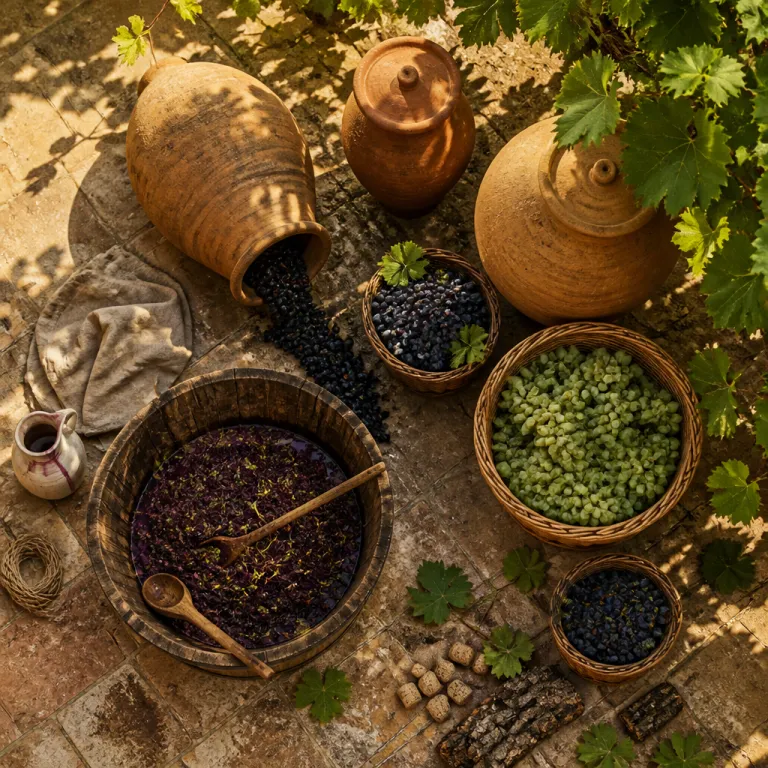
Once the trailers are full, you follow the fruit back to the winery, where the real theatre begins with grape stomping in open tanks or lagares, often to music and with plenty of guidance from cellar staff. This is where the alentejo wine region feels very different from the Douro Valley, because many Alentejo estates still use clay amphorae for vinho de talha, lowering the must into talha vessels that have been part of the region’s traditional culture since Roman times. A good programme will then take you into the talha cellar itself, where you can taste the cloudy, fermenting juice straight from the tap and understand why talha wines are more than a trend, they are a living heritage.
Late morning usually shifts into a slower phase, with a structured wine tasting that compares amphora aged wines with stainless steel or barrel aged wines, often including both current releases and older vintages. Here you can ask detailed questions about harvest dates September versus earlier August September picks, and how those choices affect acidity, alcohol and freshness in the glass. Before you sit down for harvest lunch, many estates offer a short tour of the wider property, so you see not only the vineyards but also the olive groves, cereal fields and montado that define this part of Portugal.
Choosing estates with genuine harvest programmes
When you book, look for properties that describe a full day harvest experience with grape picking, grape stomping and a talha cellar visit, rather than just a standard wine tasting dressed up with harvest language. Serious estates in areas like Reguengos de Monsaraz or near Évora will usually cap group sizes and specify the approximate price per person for the harvest day, even if the final lunch price depends on menu choices and wine pairings. To access these more involved programmes, consider booking direct with the herdade rather than through a generic platform, using guides such as the detailed advice on booking direct with the herdade for Alentejo only experiences.
Where to stay: top Alentejo destinations for harvest season couples
For an alentejo wine harvest stay september, start by choosing your base region, because distances in Portugal’s interior are longer than they look on a map. Évora works well if you want a UNESCO listed city with cloistered convents, Roman walls and easy access to several wineries within a 20 to 40 minute drive, so you can combine a morning grape harvest with an afternoon walking the whitewashed streets. Couples who prefer a more rural feel often head east towards Reguengos de Monsaraz, where vineyards roll down to the Alqueva lake and many estates offer on site rooms or suites, turning the winery itself into your hotel.
If you are flying into Lisbon and planning a short break, consider spending the first night in the capital and then driving south east for around 1 hour 30 minutes into the Alentejo wine region, timing your arrival for the start of a harvest day. This makes it easier to join early grape picking without a pre dawn departure from Lisbon, and you can still add a separate Douro Valley tour later in your Portugal itinerary if you want to compare the two major wine regions. For couples focused on calm, choose properties set within their own vineyards, where you can watch the harvest from your terrace and still retreat to a quiet pool once the day’s work ends.
Luxury hotels that take harvest seriously will usually offer flexible breakfast times during the main harvest season, so you can eat something light before the vineyard work and return later for a second coffee and pastries. Many also curate food and wine experiences beyond the harvest lunch, such as olive oil tastings, bread baking or night time activities that suit the cooler evenings, which you can research through specialist guides to elegant hotels in Portugal’s Alentejo for luxury stays. If you enjoy active travel, look for estates that combine harvest days with low impact adventures like night kayaking or dawn balloon flights, which are increasingly popular once the heat drops.
Planning around dates and availability
Because the grape harvest depends on weather, estates usually confirm exact dates September only a few weeks in advance, but they can still indicate the likely August September window when most picking will happen. When you enquire, ask clearly which days are planned for white grape harvest versus red grape harvest, and whether guests can join both if you are staying several nights. For couples who want to balance work and rest, a three to four night stay allows one full day of harvest experience, one lighter day with just a wine tasting and talha cellar visit, and one day devoted to slow drives between villages and long lunches.
To make the most of the cooler evenings, consider adding experiences that only start when the sun drops, such as stargazing over the Alqueva Dark Sky Reserve or low light paddles on the lake, which you can explore through curated ideas for Alentejo activities that begin when the heat stops. These pair beautifully with a daytime harvest programme, giving you a different perspective on the same landscape of vineyards, olive groves and cork forests. In practice, the best itineraries weave together one intense harvest day, one cultural day in Évora or Monsaraz and one slow day by the pool, so you leave feeling involved rather than exhausted.
Eating, drinking and comparing regions: how harvest shapes your table
One of the quiet luxuries of an alentejo wine harvest stay september is the way the table changes, because harvest lunch on an estate is usually built around what workers actually eat. Expect hearty dishes like migas with pork, tomato bread soup and grilled fish, served family style at long tables where guests and cellar teams sit together and talk about the morning’s grape picking. The lunch price for these meals is often folded into a single price per person for the full day harvest experience, which may also include a welcome coffee, mid morning snacks in the vineyards and a final glass of wine at sunset.
During these meals you taste not only finished wines but also fermenting must, comparing how alentejo wine from talha jars differs from stainless steel aged wines in texture and aroma. Many estates pour both white and red wines from the current harvest season alongside older bottles, so you can see how decisions about harvest dates September or earlier August September picks play out over time in the glass. If you have visited the Douro Valley or even a property like Quinta da Pacheca on a previous trip, this is the moment to compare how the two wine regions handle grape varieties, oak and amphorae, and why the Alentejo’s talha tradition feels more grounded in everyday rural life.
Back at your hotel, evenings tend to be quiet, with couples lingering over food and wine pairings on terraces that look out over dark vineyards and the silhouettes of cork oaks. This is when the day’s work settles in, and you realise that the highlight was not a polished wine tasting but the simple rhythm of cutting grape bunches at dawn and rinsing grape juice from your arms before lunch. For many guests, that shift from spectator to participant is what defines a true harvest stay in this part of Portugal, and why they return to visit Alentejo again rather than chasing only the best known names in other regions.
FAQ
When is the best time in September to plan an Alentejo harvest stay ?
The peak period for an alentejo wine harvest stay september usually falls from early to late September, but exact dates depend on weather and grape ripeness. Most estates in the Alentejo wine region can indicate a likely August September window when you enquire, then confirm precise dates September closer to the time. For a balance of cooler mornings and active harvest work, aim for mid September and stay at least three nights so you can join one full day harvest experience and still have time to rest.
Do I need wine knowledge to enjoy a harvest experience in the Alentejo ?
You do not need prior expertise to enjoy grape picking, grape stomping or a talha cellar visit, because estate teams explain each step in clear, practical language. During wine tasting sessions they usually start with simple comparisons between different wines, then build towards more detailed discussions of grape varieties, harvest dates and ageing methods. Couples who arrive as casual wine drinkers often leave with a deeper understanding of alentejo wine and vinho de talha, simply because they have seen the full process from vineyard to glass.
How does an Alentejo harvest stay compare with visiting the Douro Valley ?
The Douro Valley is dramatic, with steep terraced vineyards and river cruises, while the Alentejo offers wide open plains, cork forests and a slower, more rural rhythm. In the Alentejo wine region, harvest programmes often focus on talha winemaking and long lunches on working farms, whereas Douro estates may emphasise port production and river based tours. Many travellers choose to visit both regions on one Portugal trip, using Lisbon as a hub, but they describe the Alentejo harvest season as more intimate and hands on.
What should I wear and bring for a harvest day on an estate ?
For a full day harvest experience, wear light, breathable clothing you do not mind staining, closed shoes with good grip for vineyard work and a hat for the late morning sun. Bring sunscreen, a refillable water bottle and a small bag for your phone and camera, as grape picking and grape stomping can be messy. Estates usually provide gloves and tools, but it is worth asking in advance, especially if you plan to visit Alentejo during the earliest August September dates when temperatures can still be high.
Can I join a harvest programme if I am staying in Évora or Lisbon rather than on an estate ?
Many wineries near Évora and Reguengos de Monsaraz accept external guests for harvest days, as long as you book ahead and arrange your own transport. From Lisbon you can reach parts of the Alentejo wine region in around 1 hour 30 minutes by car, but for early grape harvest starts it is more comfortable to stay at least one night closer to the vineyards. If you prefer hotel comforts with easy access to multiple estates, consider basing yourself in Évora and using it as a hub for day trips to surrounding vineyards and talha cellars.
Sources
VisitPortugal – official tourism information on Portugal’s vindima experiences and seasonal timing.
Wine Tourism in Portugal – background on harvest season structure and regional wine experiences.
Alentejo Wine Commission (Comissão Vitivinícola Regional Alentejana) – technical information on the Alentejo wine region and talha traditions.