Why darkness has become Alentejo’s rarest luxury
In the Alentejo, luxury begins when the last electric light fades. Out by the Alqueva Lake, the dark sky settles over cork oak and schist walls, turning silence and shadow into the region’s most coveted amenity for discerning travel couples. This is where Dark Sky Alqueva stargazing stops being an activity and becomes a way of inhabiting the night.
The certified Dark Sky Alqueva reserve in southern Portugal extends across several municipalities around the lake, creating one of Europe’s largest protected night sky areas. According to figures shared by the Dark Sky® Alqueva organisation and Turismo do Alentejo, the region averages roughly two hundred and fifty clear nights per year, so the Alqueva dark landscape offers some of the most reliable natural conditions in Europe for a stargazing session that still feels intimate and private. Here, light pollution is treated as seriously as noise in a city penthouse, and the result is a night sky so dense with stars that the Milky Way reads like a pale river above the olive groves.
For luxury and premium hotels, this darkness has become a design brief rather than a constraint. Architects orient suites toward the sky, not the road, and landscape teams shield every path light to protect the dark sky profile that underpins local starlight tourism. When you book through a curated platform such as stay-in-alentejo.com, you are not just choosing a room in Alentejo; you are choosing how you want to meet the night, whether that means a guided observation of star clusters or a silent hour alone on a terrace while the Alqueva sky slowly brightens with distant galaxies.
Alqueva’s dark sky reserve and the observatories worth staying near
The Dark Sky Alqueva Observatory at Cumeada is the operational heart of the region’s observatory network. From this small village between Reguengos de Monsaraz and the Alqueva Lake, astronomers host structured stargazing sessions that pair high-resolution telescopes with naked-eye sky observation, turning a simple night into a layered experience. The official programme runs as stargazing and moonlit walks, with a clear objective list that states: “Observe celestial bodies. Experience Alentejo's nocturnal tranquility. Enjoy regional gastronomy under the stars.”
Saturday events typically follow a precise timeline that luxury travellers appreciate. Guests arrive around 20:00 for a briefing, set off on a moonlit walk by 20:30, settle into the main stargazing session at 21:30, and wrap up close to 23:00, when the night sky is at its most theatrical. Methods range from guided tours with laser pointers to telescope-based observation of planets and star clusters, and the team’s partnership with local tourism boards, regional wineries and hospitality services means the activities feel integrated rather than bolted on. For couples booking premium stays, aligning check-in dates with these events can turn a good trip into the best version of Alentejo sky travel.
Staying nearby also gives you flexibility for private sessions. Some herdades arrange transfers to the observatory, while others bring the sky route to you with on-site telescopes and visiting astronomers from the association that supports the reserve. If you care about regenerative, low-impact tourism, look for properties that align with the region’s sustainability ethos, such as those highlighted in this guide to regenerative agriculture as the next luxury moat, because the same mindset that protects soil usually protects the night sky.
Where to stay for sky first luxury ; Monsaraz, Telheiro and Mourão
Choosing the right base around Alqueva is as important as choosing the right telescope. Reguengos de Monsaraz offers a hilltop profile with medieval walls and an unobstructed horizon, making it one of the best places in Portugal for Dark Sky Alqueva stargazing straight from your hotel terrace. From here, the night sky drops away on all sides, and the Alqueva dark landscape feels almost theatrical as the stars rise over the Guadiana valley.
Down by Telheiro, lakeside properties use the Alqueva Lake as a natural mirror, effectively doubling the sky in the water on still nights. This is where a private stargazing session can feel almost cinematic, with the Milky Way overhead and its reflection below, and only the softest artificial light shielding to guide you back to your room. Mourão, by contrast, sits on a plateau with near 360-degree darkness, ideal for couples who want to move between different observation points during the night and experiment with both binoculars and telescopes.
On a luxury booking platform, filter for properties that explicitly mention dark-sky-friendly lighting, rooftop terraces, or curated stargazing activities. Some of the most interesting stays in the wider region, such as the quiet, design-forward retreat reviewed in this piece on a discreet Relais & Châteaux hideaway, show how Portuguese hospitality is learning to frame darkness as an amenity, not an absence. Apply that lens when you read property descriptions around Alqueva, and you will quickly see which hotels treat the night sky as a core experience and which treat it as a marketing line.
Designing your night ; from moon phases to wellness level sleep
Planning Dark Sky Alqueva stargazing is less about chasing a single perfect night and more about understanding the rhythm of the year. Between June and September, the Milky Way’s galactic core passes almost overhead in the Alentejo, and on moonless nights the band is visible to the naked eye from any unlit herdade terrace. For couples, that means you can schedule one structured stargazing session with an astronomer and then keep other nights free for slower, more private observation.
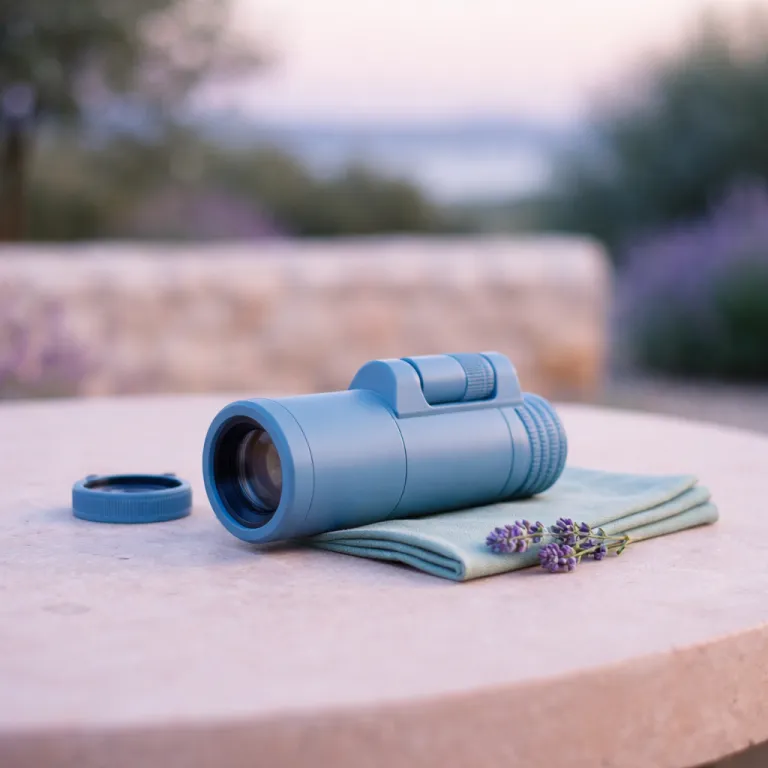
Binoculars are often better than entry-level telescopes for beginners, especially when you are learning to read the night sky without stress. A good pair will reveal star clusters, the moons of Jupiter and the rugged line of the lunar terminator, all while remaining light enough to use from a pool lounger or a vineyard chair. Smartphone apps that map the southern sky help, but the real luxury is having a guide on hand, whether at the Dark Sky Alqueva Observatory or through a hotel partner such as Alentejo Break, which runs guided walks with regional product tastings under the stars.
There is also a wellness dimension that serious travellers are starting to seek out. Dark-adapted evenings support melatonin production and deeper sleep, and several high-end properties now frame their night sky activities as part of a broader rest and reset programme. Research summarised by the U.S. National Institutes of Health links evening exposure to artificial light with reduced melatonin secretion and shorter sleep duration, so the low-light environment of Alqueva can be a quiet counterbalance. When you browse curated lists such as the summer openings of monasteries, villas and herdades worth booking, pay attention to how each property handles light after sunset, because the quietest hours often deliver the most restorative experience.
From moonlit walks to literary tourism ; how to book the right experience
Once you have chosen your base, the next step is curating the right mix of activities. The Dark Sky Alqueva Observatory and the Observatório do Lago Alqueva near Monsaraz both run structured events that blend astronomy with local culture, and they work closely with Turismo de Portugal and regional tourism boards to keep quality high. For couples, the sweet spot is usually one guided night with a full programme of observation, followed by one or two evenings of slower, self-directed stargazing.
Alentejo Break’s moonlit walks are particularly appealing if you want to feel the landscape as much as see the sky. The official description of their stargazing and moonlit walks states: “Nighttime activities exploring Alqueva's dark skies,” and the organisers are explicit about their goals: “Promote astrotourism. Preserve night sky quality. Support local economy.” This is starlight tourism with a clear conscience, where every session supports local wineries, hospitality services and the wider association that defends the reserve.
For something quieter, ask your hotel to arrange a private guide who can weave in elements of literary tourism, using Portuguese poetry and regional stories to frame the constellations. Some astronomers in the region, including well-known astrophotographer Miguel Claro, have helped shape how visitors read the sky route above Alqueva through public talks, exhibitions and published night-sky photography, turning technical sky reserve data into narratives that feel accessible. Practical tips remain simple: wear warm clothing even in summer, bring a small red-filtered flashlight, and always book in advance, because the best dark sky experiences in Europe still happen in small groups where the only crowding is in the stars above you.
FAQ
What is the best time of year to visit Alqueva for stargazing ?
The clearest conditions for Dark Sky Alqueva stargazing usually fall between June and September, when the Milky Way’s core is high and nights are warm. Regional figures indicate around two hundred and fifty clear nights per year, so shoulder seasons can also work if you prefer cooler evenings. Whenever you travel, aim for dates around the new moon to minimise natural light and maximise visibility of faint stars and star clusters.
Are the stargazing sessions suitable for children or only for adults ?
Public sessions at the Dark Sky Alqueva Observatory and the Observatório do Lago Alqueva are designed to be family-friendly and educational. As the dataset confirms: “Are the stargazing sessions suitable for children? Yes, activities are family-friendly and educational.” Couples travelling without children still find the atmosphere calm and focused, especially during smaller group or private sessions.
Do I need prior knowledge of astronomy to enjoy a stargazing night ?
No previous astronomy background is required to enjoy a night sky session in the Alentejo. Guides explain constellations, planets and deep-sky objects in clear language, using laser pointers and star charts to orient you gently. As the organisers state: “Do I need prior knowledge of astronomy to participate? No, guides provide explanations suitable for all levels.”
How should I choose a hotel if stargazing is my main priority ?
Look for properties within the certified Dark Sky Alqueva reserve that explicitly mention dark-sky-friendly lighting, rooftop terraces or organised stargazing activities. Locations near Reguengos de Monsaraz, Telheiro or Mourão offer particularly strong night sky conditions, with low light pollution and wide horizons. When booking through a curated platform, prioritise hotels that partner with observatories or local guides, because they can secure the best times and formats for your stargazing session.
What should I bring for a comfortable and effective stargazing experience ?
Even in summer, pack a warm layer, closed shoes and a light scarf, because temperatures drop quickly under a clear sky. A small red-filtered flashlight preserves your night vision, and a good pair of binoculars often delivers more satisfying views than a basic telescope, especially for wide fields and star clusters. Finally, bring any astronomy apps you like, but remember that the most memorable moments usually happen when the phone is in your pocket and the night sky is doing the work.