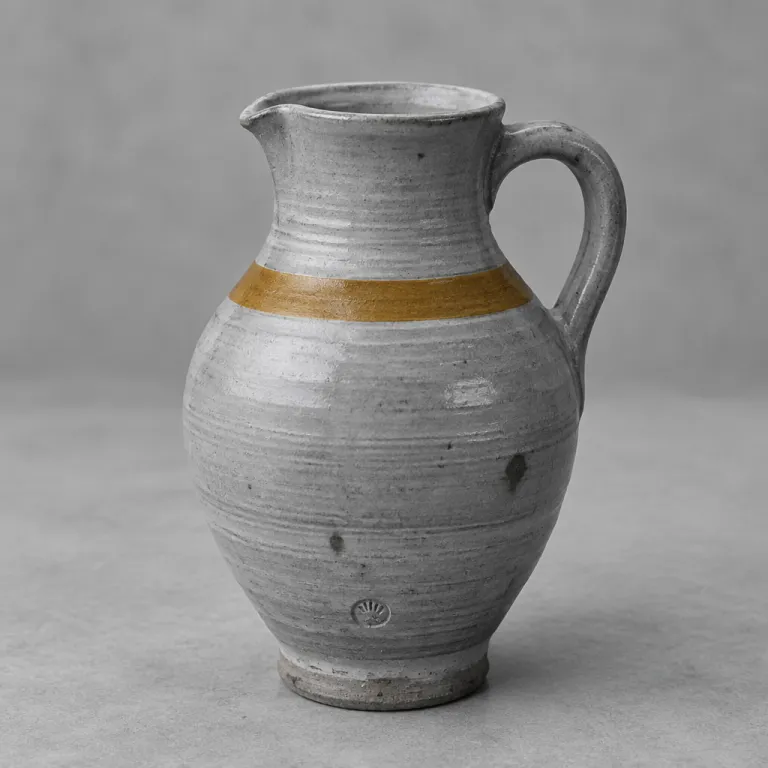
Why São Pedro do Corval matters for luxury travelers in the Alentejo region
São Pedro do Corval sits in the eastern Alentejo region, a short drive from Monsaraz and Évora, and it quietly anchors one of Portugal’s most authentic craft landscapes. This small village of around two thousand residents has become known across Portugal and beyond as Europe’s largest pottery village, with close to twenty active workshops lining a single main street. For travelers booking luxury stays near Reguengos de Monsaraz, São Pedro do Corval pottery Alentejo is not a side trip ; it is a cultural counterpoint to poolside afternoons and long vineyard lunches. Monsaraz and Reguengos de Monsaraz are the closest places to sleep, with Évora forty minutes west.
Here, clay is not a lifestyle accessory but a working material that shapes daily life, and the artisans who handle each clay hand of earth are often from families that have thrown ceramics for generations. The result is a concentration of alentejo pottery and corval pottery that feels more like an open air factory floor than a curated craft market, with artisans at work from early morning until the heat settles in. When you visit this pottery village from a nearby five star estate, you are stepping into a production ecosystem that predates tourism and still supplies households across the wider Alentejo region.
For business leisure travelers, the contrast is part of the appeal, because a polished hotel in Monsaraz or Évora gains depth when your day includes time in a São Pedro workshop where the wheel hums and the kiln fires. Many luxury properties now design a private tour that links São Pedro, Monsaraz São castle views, and a late lunch with local olive oil tastings, creating a single coherent experience. If your hotel concierge does not yet have a relationship with São Pedro artisans, ask them to arrange a driver and build a half day itinerary that balances ceramics, wine, and quiet time back at the pool. Évora has the widest choice of hotels in the region, Monsaraz the best views over the plain.
Planning your day from Monsaraz or Évora: timing, transport and where to stay
The most rewarding visit to São Pedro do Corval starts early on a weekday, when the village is still cool and the pottery workshops are fully in motion. Workshops open throughout the day, but mid morning brings the best chance to see artisans at work shaping clay, glazing ceramics, and loading the kilns without the distraction of larger tour groups. Dataset guidance confirms this rhythm clearly : “Workshops open daily” and “Best visited during weekdays”.
From Monsaraz, the drive to São Pedro is roughly 14 km through open fields and olive groves, and many luxury hotels in the Reguengos de Monsaraz area will arrange a private car so you avoid relying on limited public transport. If you are based in Évora, expect a longer but scenic drive across the Alentejo region, and consider combining your São Pedro Corval stop with a vineyard lunch or a detour to marble towns such as Estremoz. High end properties often fold this into a curated tour, pairing the corval Alentejo craft scene with a tasting of traditional Alentejo dishes and local olive oil in a converted monte farmhouse. Current visitor information comes from Visit Alentejo, the official regional tourism board.
For executives extending a work trip, São Pedro do Corval pottery Alentejo fits neatly into a flexible schedule, especially if you are staying at an estate that supports remote work. Properties featured in guides to executive workations in the Alentejo region often offer drivers, concierges, and quiet office style spaces, making a half day ceramics tour easy to slot between calls. Plan to return to your hotel by late afternoon, when the light softens over Monsaraz São hilltop walls and your new ceramics feel like part of a wider, carefully paced Alentejo experience.
Inside the workshops: what to look for and how to read the clay
Once you arrive in São Pedro do Corval, resist the urge to buy at the first display of bright ceramics, and instead walk the length of the main street to understand the full range of work. This is where the phrase São Pedro do Corval pottery Alentejo becomes tangible, as each workshop reveals a slightly different approach to clay, glaze, and decoration. Dataset notes underline the variety on offer : “What types of pottery are available? Traditional terracotta ceramics with floral designs.”
Look first for traditional Alentejo shapes such as the alguidar basin, the deep tigela bowl, and the domed testo bread cover, which you will see repeated in both simple terracotta and more elaborate alentejo pottery patterns. The classic brown and green palette of corval pottery reflects iron rich clay and mineral glazes, while some ateliers experiment with blues and whites that nod to broader Portugal ceramics traditions. When an artisan demonstrates how they are shaping clay on the wheel, watch the base and rim closely ; hand thrown pieces show subtle irregularities that mould pressed ceramics cannot replicate.
Three types of workshops tend to reward a longer visit : those where the potter explains local clay sourcing, those that still fire in wood kilns rather than electric, and those that invite you to try a short session with clay hand practice. In these spaces, you see how a simple bowl for olive oil or a jug for water emerges from raw earth, and you feel the continuity between traditional Alentejo households and today’s luxury hotel tables. If your guide suggests a stop at Casa do Barro or another casa barro style atelier, take the time to compare their work with neighboring studios, because the differences in weight, glaze, and decoration will sharpen your eye for quality.
Choosing pieces, meeting artisans and arranging shipping back to your hotel
Serious collectors and first time buyers approach São Pedro do Corval with the same basic strategy : visit multiple workshops, talk directly with artisans, and only then decide what to buy. The dataset advice is blunt and accurate here : “Visit multiple workshops”, “Check opening hours in advance”, “Bring cash for purchases”. Many ateliers accept cards, but cash still smooths small transactions and shows respect for the rhythm of a working pottery village.
As you move between São Pedro and neighboring pedro Corval signed workshops, pay attention to how each artisan describes their work, because the most committed potters will speak in detail about firing temperatures, glaze recipes, and the specific clay they source from the surrounding Alentejo region. Some studios in corval Alentejo specialise in large serving platters and jugs, while others focus on smaller bowls for olive oil, espresso cups, or decorative tiles that travel more easily in hand luggage. If you are staying in a luxury hotel near Reguengos de Monsaraz or Monsaraz São, ask the concierge to note room dimensions and table sizes in advance so you can choose ceramics that genuinely fit your home or office.
Most São Pedro do Corval pottery Alentejo workshops now offer professional packing and postal services, which is essential if you are buying multiple pieces or larger items. Expect to pay from around fifteen euros for a simple bowl up to two hundred euros or more for a large hand painted piece, with shipping costs varying by weight and destination outside Portugal. Non EU travelers should keep customs rules in mind and retain invoices, while your hotel can often help track shipments so that your new ceramics arrive safely long after your Alentejo day has faded into memory.
Beyond São Pedro do Corval: mapping Alentejo craft, food and night skies
São Pedro do Corval does not exist in isolation ; it sits within a wider Alentejo craft corridor that rewards slow, deliberate travel. From the village, a short drive brings you back to Monsaraz, where whitewashed lanes lead to Nossa Senhora da Lagoa church and views over the Alqueva reservoir, and from there you can continue toward Évora or the marble towns of Estremoz and Borba. Each stop adds another layer to your understanding of how artisans across the Alentejo region work with stone, cork, wool, and clay.
In Estremoz and Borba, sculptors carve marble that once paved royal palaces, while across the montado landscape you will find workshops turning cork into refined objects that sit comfortably in any luxury hotel suite. Reguengos de Monsaraz itself has a quieter textile tradition, with hand woven blankets that pair beautifully with São Pedro ceramics on a bed or sofa in a contemporary casa barro style property. After a full day moving between São Pedro, Monsaraz São viewpoints, and lakeside estates, consider extending your stay to include an evening under the Alqueva Dark Sky Reserve, using guides such as after dark at Alqueva to frame your plans.
For travelers who care about where and how they stay, São Pedro do Corval pottery Alentejo becomes one thread in a broader narrative that includes regenerative agriculture, low impact estates, and a pace of life that values silence as much as service. Many of the most interesting properties in this part of Portugal align with the ethos described in analyses of the Alentejo bet on regenerative agriculture as a new form of luxury, prioritising landscape and craft over amenity stacks. When you return to your room, set a new São Pedro bowl on the desk, pour local olive oil, and you will feel how the region’s clay, food, and night skies work together to define a very specific, very grounded idea of luxury.
FAQ: São Pedro do Corval pottery Alentejo for luxury and premium travelers
What types of pottery can I expect to find in São Pedro do Corval?
São Pedro do Corval offers a wide range of traditional Alentejo pottery, from simple terracotta bowls and jugs to large, hand painted serving platters. The dataset summarises it clearly : “What types of pottery are available? Traditional terracotta ceramics with floral designs.” You will also see more contemporary ceramics, but the core identity of the village remains rooted in functional pieces for everyday use.
Are the workshops open every day, and when is the best time to visit?
Workshops in São Pedro do Corval generally open daily, with artisans working throughout the morning and into the afternoon. Some studios may close on Sundays or for a long lunch break, so it is wise to check opening hours in advance through your hotel or a local guide. The dataset notes that the village is best visited on weekdays, when wheels are turning and the atmosphere is more focused on production than on tour groups.
Can I watch artisans at work or join pottery workshops myself?
Many São Pedro do Corval ateliers welcome visitors into the production area, allowing you to watch artisans at work as they throw, glaze, and fire ceramics. The dataset confirms this access : “Can I watch artisans at work? Yes, many workshops allow visitors to observe.” Some studios also offer short pottery workshops where you can try shaping clay by hand or on the wheel, which hotels can often book as part of a private tour.
How do I transport ceramics safely if I am staying in a hotel?
Most São Pedro do Corval workshops provide careful wrapping for smaller purchases, and many can arrange professional packing and postal shipping directly to your home. For fragile pieces you plan to carry back to your hotel, ask for double boxing and consider using clothing in your suitcase as extra padding. Luxury properties near Reguengos de Monsaraz and Monsaraz often assist with storage, labeling, and coordination with couriers, which is especially useful for non EU travelers managing customs paperwork.
Is São Pedro do Corval accessible without a rental car?
Public transport to São Pedro do Corval is limited, with infrequent regional buses and few direct links from Évora or Monsaraz. Travelers staying in premium hotels typically rely on private transfers arranged through the concierge or on chauffeured tours that combine São Pedro, Monsaraz, and nearby vineyards. If you prefer full independence, a rental car remains the most flexible option for exploring the wider Alentejo region around the village.