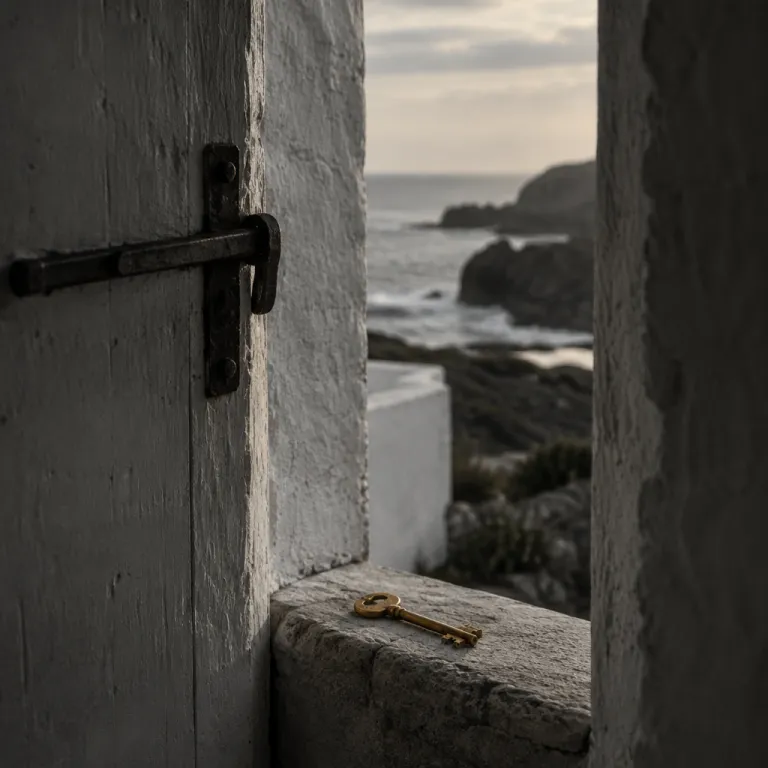
Porto Covo on the Alentejo coast: why this fishing vila suits luxury travellers
Porto Covo is a small fishing vila on the Alentejo coast that has become a refined hideaway for discerning guests. The parish belongs to the municipality of Sines in southern Portugal, and its calm streets and whitewashed houses sit between dramatic cliffs and wide Atlantic beaches. With an area of about 48.7 km² and roughly 1 090 residents, the covo community balances tourism with a strong sense of place and tradition.
The village was rebuilt in the late eighteenth century using a Pombaline grid plan, so the central square recalls the urban order of Praça Marquês de Pombal in Lisbon Portugal. This heritage gives Porto Covo a rare mix of rural Alentejo charm and subtle urban elegance, which appeals to travellers seeking premium hotels without the crowds of the Algarve. Local authorities and residents, including permanent actors such as the covo civil parish council, work with the Southwest Alentejo and Vicentine Coast Natural Park to keep development low rise and respectful of the coast Portugal landscape.
Porto Covo is famous for its beaches, cliffs, and peaceful fishing village charm, and this reputation shapes how luxury and premium hotels operate here. Nature based travel is the main draw, with guests walking the Fishermen’s Trail for hours along the coast and returning to intimate properties that prioritise privacy and service. As one local summary puts it, “Beaches, cliffs, peaceful fishing-village charm” remain the core of the experience, and high end hoteliers build their offers around that promise.
Understanding the geography: from Sines to ilha do Pessegueiro
Arriving from Lisbon, most visitors drive south via Sines, then follow the coast Portugal road until the low white houses of Porto Covo appear above the sea. The setting feels remote yet accessible, with Lisbon Portugal roughly two and a half hours away by car and the Algarve reachable in a similar driving time. This distance keeps mass tourism at bay while still allowing flexible weekend travel for guests who might also be visiting Portugal Porto or Vila Nova de Milfontes on the same trip.
To the south of the vila, the coastline opens towards Vila Nova de Milfontes and the broader Alentejo Litoral, where other premium hotels complement a stay in covo Porto. To the north, Sines offers a working port atmosphere and a reminder that this coast has always been about fishing, trade, and maritime defence. Offshore, the small ilha do Pessegueiro and the ruins of Forte da Ilha do Pessegueiro and Forte Ilha create a dramatic horizon that many hotels frame carefully from their suites and terraces.
These landmarks matter when choosing where to stay, because room views and orientation can change the feel of your stay by day and by night. Some properties look directly towards ilha Pessegueiro and Forte Pessegueiro, while others face the main beaches Porto Covo is known for, or towards the low hills that lead inland into Alentejo. When you compare hotels, pay attention to how they describe their position along the coast and which part of the village grid, inspired by Marquês de Pombal planning, they occupy.
Where to stay in and around Porto Covo: mapping the premium hotel landscape
Accommodation in Porto Covo ranges from simple guesthouses to polished luxury hotels that cater to travellers who value space, design, and attentive service. The most sought after addresses sit either near the main praça, echoing the order of Praça Marquês in Lisbon, or along the cliffs above Praia Grande and neighbouring coves. In both cases, the best rooms offer sweeping views of the Portuguese coast and easy access to the beaches Porto Covo is celebrated for.
Within the vila itself, premium hotels often occupy restored townhouses that respect the Pombaline grid, with façades facing the sea breeze and interiors that blend contemporary comfort with traditional Portuguese materials. These properties tend to have fewer rooms than large resorts in the Algarve, which means quieter common areas, more personalised service, and a stronger connection to the rhythms of local life. Guests can walk within minutes from their suites to cafés on the square, the Igreja de Porto Covo, or the coastal path that leads towards ilha Pessegueiro.
Some travellers choose to base themselves slightly outside Porto Covo, combining a stay here with nights in Vila Nova de Milfontes or other Alentejo destinations. For those planning a refined multi stop itinerary, this guide to where to stay in Vila Nova de Milfontes helps you compare coastal villages along this stretch of coast Portugal. By pairing Porto Covo with Nova Milfontes, you experience two different expressions of the same maritime culture, each with its own selection of premium hotels and restaurants. This twin centre approach suits guests who enjoy slow travel and want to explore several beaches and fishing communities without long driving hours.
Choosing between village centre and coastal edge
Staying near the central square places you close to restaurants, small shops, and the main church, the Igreja Porto Covo dedicated to Nossa Senhora da Soledade. This area reflects the eighteenth century vision of urban order associated with Marquês Pombal, and its straight streets make it easy to walk everywhere in a few minutes. Hotels here are ideal for guests who like to step out for an evening stroll, attend local events, or simply watch village life unfold from a terrace.
The coastal edge, by contrast, appeals to travellers who prioritise direct access to praia and uninterrupted ocean views. Properties along this strip often have terraces facing the beaches Porto Covo is known for, with paths leading directly down to the sand or to the Fishermen’s Trail. If you plan to spend many hours outdoors, walking or swimming, this location reduces the need for a car and lets you return quickly to your room between outings.
Both settings share the same mild Alentejo climate and the same Portuguese hospitality, but they frame your stay differently. Village centre hotels emphasise cultural immersion and convenience, while cliffside addresses highlight solitude, sea air, and the sound of waves. When comparing options, consider whether your ideal Porto Covo experience centres on cafés and churches or on cliffs and coves.
Porto Covo’s beaches and coastal trails: what luxury guests should know
The beaches around Porto Covo are the main reason many travellers choose this part of Alentejo over busier regions of Portugal. A string of sandy coves and larger bays stretches north and south of the vila, each framed by rugged cliffs and low dunes. Even in high season, the number of separate praias means you can usually find a quieter spot within a short walk or drive.
Praia Grande, just south of the village centre, is the most accessible beach and a favourite for families who appreciate its wide sands and lifeguard presence during peak hours. Smaller coves, some unnamed on basic maps, offer more privacy but require careful access via paths carved into the cliffs along the coast Portugal. Luxury hotels often provide detailed beach guides, including advice on tides, recommended access points, and the best times of day for swimming or photography.
For walkers, Porto Covo serves as a key trailhead for the Fishermen’s Trail, part of the Rota Vicentina network that runs along the Alentejo and Algarve coastline. Many guests plan their travel so they can hike one or two stages, then return to the comfort of high end hotels in the vila or nearby Nova Milfontes. Properties that understand this pattern offer early breakfasts, packed lunches, and transfers, allowing guests to focus on the scenery rather than logistics.
Ilha do Pessegueiro, Forte Pessegueiro, and coastal heritage
Offshore, the low outline of ilha do Pessegueiro and the ruins of Forte da Ilha do Pessegueiro create one of the most recognisable views on this stretch of coast. The island and its fort, sometimes referred to together as Forte Ilha, once formed part of a defensive system protecting Sines and the Alentejo coast from maritime threats. Today, they provide a romantic backdrop for sunset walks and a reminder that this quiet vila has long been connected to wider Portuguese history.
From certain hotels, you can see both ilha Pessegueiro and the line of beaches Porto Covo is known for, which makes room selection particularly important. Some suites frame the island directly, while others look north towards Sines or inland towards the rolling Alentejo countryside. When booking, ask for precise descriptions or photos of the view, especially if you value watching the light change over the island for several hours each evening.
Travellers interested in heritage often combine a stay in Porto Covo with nights in historic properties elsewhere in Portugal, such as refined addresses in Lisbon or Porto. For example, this article on heritage charm at a Porto hotel for discerning travellers shows how urban stays can complement days spent on the Alentejo coast. By alternating between city and sea, you experience both the maritime defences symbolised by Forte Pessegueiro and the mercantile history of Portugal Porto and Lisbon Portugal.
Designing a refined Alentejo itinerary around Porto Covo
Porto Covo works beautifully as the anchor of a wider Alentejo journey that includes other coastal and inland destinations. Many luxury travellers fly into Lisbon Portugal, spend a night or two in the capital near Praça Marquês de Pombal, then drive south through Sines to reach the vila. From there, they might continue towards Vila Nova de Milfontes, the Algarve, or even loop back inland through wine estates and historic towns.
Because distances are moderate, you can structure your travel in flexible stages of one to three hours of driving between hotels. One popular route links Lisbon, Porto Covo, Nova Milfontes, and then the western Algarve, allowing guests to experience different expressions of the Portuguese coast without rushing. Another option is to pair Porto Covo with an extended stay on a rural estate, booking an entire Herdade for private use.
For travellers considering a full estate buyout, this detailed piece on what an Alentejo estate buyout takes explains when such an arrangement makes sense. Combining a secluded inland Herdade with a few nights in a coastal hotel in Porto Covo gives you both privacy and sea air. This mix suits multi generational families or groups of friends who want time together in the countryside and separate rooms by the praia.
Connecting Porto Covo with other Portuguese regions
While Porto Covo sits firmly in Alentejo, it connects naturally with other regions of Portugal for longer itineraries. Guests often pair it with city breaks in Lisbon or Porto, or with cultural visits to towns such as Viana do Castelo in the north. These combinations highlight the diversity of the Portuguese landscape, from the granite hills around Viana Castelo to the sandy coves of the Alentejo coast.
Some travellers also include Vila Nova de Gaia across the river from Portugal Porto, especially if they are interested in wine and gastronomy. In that case, Porto Covo becomes the coastal counterpoint to urban tastings and cellar tours, offering clean Atlantic air and quiet beaches. The contrast between the working port atmosphere of Sines and the refined riverfront of Porto underlines how varied a single trip through Portugal can be.
When planning, remember that driving times between these regions can be several hours, so build rest days into your schedule. Luxury and premium hotels along the route, from Lisbon Portugal to the Algarve, are accustomed to hosting guests on multi stop journeys and can often recommend trusted drivers or transfer services. By pacing your itinerary carefully, you allow enough time to appreciate both the coast Portugal offers at Porto Covo and the cultural depth of inland and northern cities.
Culture, faith, and local life: beyond the beaches of Porto Covo
Although beaches dominate many images of Porto Covo, the vila’s cultural and religious life adds depth to any stay. At the heart of the settlement stands the Igreja de Porto Covo, a modest yet dignified church that anchors the main square. Inside, devotion to Nossa Senhora da Soledade reflects centuries of maritime faith, as families entrusted their fishermen to the protection of Our Lady.
Religious processions and local festivals, often centred on Nossa Senhora and Senhora da Soledade, bring colour to the streets and remind visitors that this is a living community, not just a resort. Luxury hotels that understand this context may share event calendars with guests, encouraging respectful participation or quiet observation. Such experiences can be as memorable as hours spent on the praia, especially for travellers interested in the human stories behind a destination.
Daily life in the vila still revolves around fishing, small commerce, and seasonal tourism, with many residents working in Sines or in nearby agricultural areas of Alentejo. The covo civil parish administration collaborates with the municipality and the natural park authority to manage visitor numbers and protect the coast. This governance structure helps ensure that premium hotels integrate into the community rather than overwhelm it.
Historical layers from the eighteenth century to today
Porto Covo’s current layout dates back to the late eighteenth century, when reconstruction after the great Lisbon earthquake followed Pombaline principles. The grid of streets around the central praça echoes the rational planning seen near Praça Marquês de Pombal in Lisbon, though on a much smaller scale. Walking these streets today, you sense how the village was designed to face both the sea and the inland routes that connect to the rest of Alentejo.
Over the centuries, the vila has shifted from a primarily fishing based economy to one that balances tourism, nature conservation, and traditional activities. Growth in nature based travel, especially hiking along the Fishermen’s Trail, has brought more international visitors while reinforcing the value of the surrounding natural park. Luxury hotels now position themselves as gateways to this landscape, offering guided walks, birdwatching, and boat trips around ilha Pessegueiro and the nearby coast.
Despite these changes, the scale of Porto Covo remains human and intimate, with no high rise developments or large entertainment complexes. This restraint is part of its appeal for guests who might find the Algarve too busy or built up. By choosing to stay here, you support a model of tourism that respects both the Portuguese coast and the community that calls it home.
Practical advice for booking luxury and premium hotels in Porto Covo
When booking a high end stay in Porto Covo, timing and location are your two most important decisions. Spring and early autumn offer mild temperatures, fewer crowds, and softer light on the beaches Porto Covo is known for. Summer brings warmer water and longer daylight hours, but also higher demand for the best rooms with views of ilha Pessegueiro or the main praia.
Because the vila is compact, many hotels are within easy walking distance of both the coast and the central praça. Still, subtle differences matter, such as whether your room faces the sea, the village, or the inland hills of Alentejo. When comparing options, look for clear descriptions of room orientation, balcony size, and proximity to paths leading down to the coast Portugal.
Payment and cancellation policies also deserve attention, especially if you are combining Porto Covo with other Portuguese destinations such as Lisbon, Porto, or the Algarve. Flexible terms can be valuable if you plan to adjust your itinerary based on weather or personal preference. High end properties in this region are accustomed to international guests and usually communicate clearly in English, but it is always wise to confirm details such as check in hours and parking in advance.
Transport, access, and on the ground logistics
Most visitors reach Porto Covo by car from Lisbon Portugal, following the main roads towards Sines and then the coastal route south. Public transport exists but is limited, so travellers who value independence and comfort generally rent a vehicle. Driving also makes it easier to explore nearby coves, visit Nova Milfontes, or continue towards the Algarve after your stay.
Within the vila, walking is the most pleasant way to move between hotels, restaurants, and the praia. Distances are short, and the Pombaline grid makes navigation straightforward, with the Igreja Porto Covo and the central praça serving as reliable landmarks. For longer excursions, such as visiting inland wineries or historic towns elsewhere in Alentejo, hotels can arrange private drivers or recommend trusted local companies.
Pack layers, as evenings on the coast can feel cool even after warm days, and bring footwear suitable for both sand and rocky paths. Respect local regulations on the Fishermen’s Trail and in the natural park, especially regarding waste and protected areas near the cliffs. By travelling thoughtfully, you help preserve the qualities that make Porto Covo such an appealing place for luxury and premium stays on the Portuguese coast.
Key figures and travel statistics for Porto Covo
- The parish of Porto Covo covers approximately 48.7 km², according to the national census, which means low building density and ample natural space around the vila.
- Population stands at around 1 090 permanent residents, a scale that supports essential services while preserving the feel of a small fishing community.
- Driving time from Lisbon Portugal to Porto Covo is typically between two and a half and three hours, depending on traffic around Sines and the chosen route.
- The Southwest Alentejo and Vicentine Coast Natural Park stretches for more than 100 km along the coast Portugal, with Porto Covo serving as one of its key northern gateways.
- Visitor numbers have grown steadily in recent years due to nature based travel and the popularity of the Fishermen’s Trail, yet local planning rules limit large scale development to protect beaches and cliffs.
FAQ about Porto Covo luxury stays
What is Porto Covo famous for among travellers?
Porto Covo is renowned for its sequence of sandy beaches, rugged cliffs, and the atmosphere of a peaceful fishing vila on the Alentejo coast. Visitors value the combination of natural beauty, low rise architecture, and a compact centre laid out on a Pombaline grid. This mix makes it attractive for luxury and premium hotel stays focused on rest, walking, and sea views.
When was Porto Covo founded and how does that affect its layout?
The village was developed in the late eighteenth century, after the Lisbon earthquake, following planning ideas associated with Marquês de Pombal. As a result, the streets around the central praça form a rational grid rather than an organic maze. This structure makes the vila easy to navigate on foot and gives many hotels clear sightlines towards the sea.
How do I get to Porto Covo from Lisbon or Porto?
Most travellers reach Porto Covo by car from Lisbon Portugal, driving south via Sines and then following the coastal road. From Porto in the north, the journey is longer and usually involves passing near Lisbon before continuing to Alentejo. Public transport options exist but are limited in frequency, so renting a car offers the greatest flexibility for visiting beaches and nearby towns.
Is Porto Covo suitable for luxury and premium hotel stays?
Yes, Porto Covo offers a growing selection of premium hotels and high quality guesthouses that cater to travellers seeking comfort, privacy, and attentive service. Properties tend to be small scale, often in restored buildings, with a focus on design and local materials. Guests appreciate the quiet atmosphere, proximity to beaches, and the ability to combine coastal relaxation with cultural excursions.
What is the best time of year to stay in Porto Covo?
Spring and early autumn are ideal for many luxury travellers, offering mild temperatures, fewer crowds, and good conditions for walking the Fishermen’s Trail. Summer brings warmer sea temperatures and lively village life, but also higher demand for the best rooms and suites. Winter stays appeal to those who enjoy solitude, dramatic Atlantic light, and lower occupancy in hotels along the Portuguese coast.
References: Turismo de Portugal; Rota Vicentina Association; Instituto Nacional de Estatística.