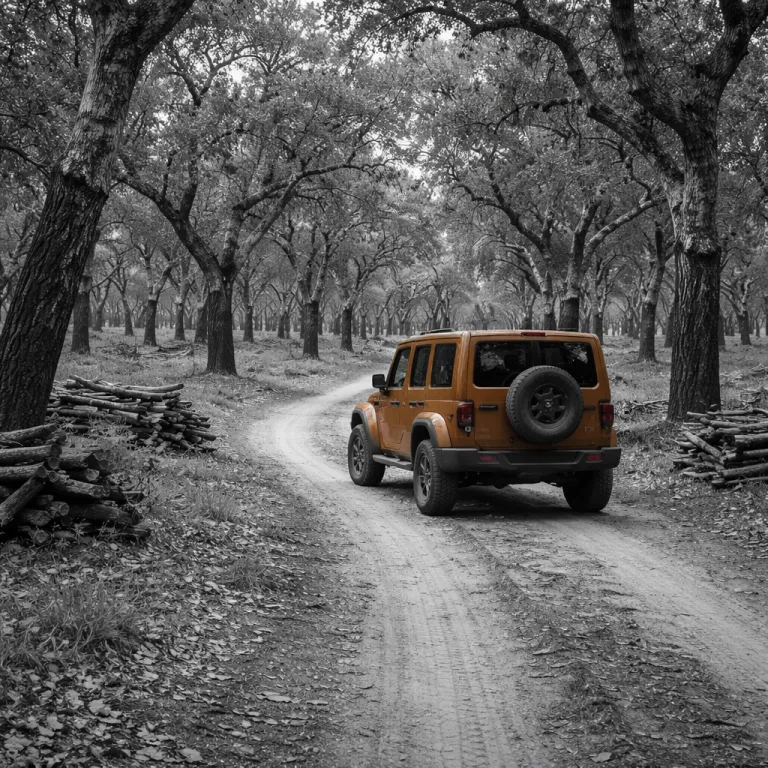
Why a cork forest tour in Alentejo belongs in a luxury itinerary
The most memorable cork forest tour in Alentejo rarely starts in the forest. It usually begins in a quiet lobby in Évora or on a shaded terrace at a country estate, where your guide sketches the day on a map of Alentejo Portugal and explains how cork production underpins this landscape. In a region where roughly 736,000 hectares of cork oak land stretch across southern Portugal1, a well curated tour becomes the key to understanding both the wine and the silence you came for.
Alentejo is responsible for around half of global cork production1, and that single fact shapes everything from hotel architecture to the way lunches are timed around the heat. A serious cork excursion is not a quick photo stop among trees but a structured experience of several hours, usually combining a jeep tour, a walk through oak forest and a visit to a working cork farm or cork factory. When you book a cork forest tour in Alentejo through a luxury property, ask how much time is actually spent with corticeiros, the skilled workers who cut the bark, because that hour in the shade is where you truly learn cork and where conservation rules and safety limits are easiest to discuss.
Operators such as Corktrekking and Portugal Farm Experience work with family owned farms near Redondo and Évora, using 4x4 vehicles to reach remote cork forests that standard tours Portugal rarely access. Their jeep tours typically last between two and four hours, with morning and afternoon departures that fit neatly around a cellar visit or a long wine tasting lunch at a nearby herdade. For guests staying in Évora or arriving from Lisbon, this structure makes it easy to pair a cork jeep outing with a late afternoon cork wine tasting back at the hotel, turning a single day into a layered tasting experience of both land and glass. Typical meeting points and contact details are confirmed at booking, and most operators provide email and phone support for last minute changes.
Inside the montado: corticeiros, the nine year cycle and real working days
Step out of the land rover or cork jeep and the first surprise is the quiet, broken only by metal on bark as corticeiros work through the oak forest. These men and women use axes whose design has barely changed since the nineteenth century, because the balance and blade shape allow them to separate cork oak bark from the trees without cutting into the living wood. Watching them on a cork forest tour in Alentejo is not a staged show but a precise choreography, where each cut protects the next nine years of income for the farm and respects forestry regulations.
The famous nine year cycle is not a romantic detail for brochures about cork forests in Alentejo Portugal; it is defined in Portuguese forestry law as the minimum interval between harvests2. After the first harvest, which produces lower quality cork used for insulation or fashion, the tree needs repeated cycles before it yields the dense, uniform bark that becomes high end cork wine stoppers. Guides from Corktrekking or Portugal Farm Experience will often pause the jeep tour beside a marked trunk so you can learn cork codes painted on the bark, which indicate the last harvest year and help you understand why some trees are left untouched while others are stripped almost to the ground.
A serious tour farm visit usually continues from the oak forest to a simple cork factory or storage yard, where stacked planks dry on the land before being boiled and processed. Here the cork tour becomes tactile, as you handle different grades of bark and see how cork production moves from rough slabs to sorted sheets ready for export across Portugal and beyond. This is where you start to discover cork as an industry rather than a souvenir, and where a good guide will connect what you see to the wine tasting you may have booked later at a nearby estate such as Herdade dos Coelheiros or to a vineyard stay in Montemor, which you can research in more depth through this guide to land and vineyards in Montemor. Factory access is always subject to safety rules, so expect to stay behind marked lines and to find some machinery areas off limits.
On one recent summer morning, a corticeiro named João summed up the work simply: “We have three or four weeks to do a year’s thinking,” he said, resting his axe against a trunk. “Every cut is for the next generation, not just for this harvest.” Hearing that under the trees, with the smell of fresh bark in the air, anchors the whole experience in real working days rather than brochure language. A natural photo caption here might read: “Corticeiros marking the harvest year on a cork oak trunk in the Alentejo montado.”
Designing a cork day from Évora or Lisbon: timings, transfers and seasons
For solo travellers based in Évora, a cork forest tour in Alentejo is usually the most efficient way to reach the montado without renting a car. Many tours depart from central Évora and drive about forty five minutes into the countryside, using 4x4 vehicles to cross private land where cork forests, vineyards and olive groves overlap. Expect a total duration of three to four hours for most tours, including transfers, which leaves ample time for a relaxed lunch or an afternoon by the pool back at your hotel.
Arriving from Lisbon, you are looking at around ninety minutes by road to Évora, so a full day cork tour makes more sense than a short excursion. Some high end operators and hotels will arrange a private land rover transfer from Lisbon to a cork farm, followed by a jeep tour, a tasting experience and a late tour lunch at a wine estate before returning to the city. If you prefer to split your time between coast and countryside, consider pairing a night in Alentejo Portugal with a refined beach escape, using this curated guide to Portuguese beach escapes from Alentejo’s luxury stays to balance cork forests with Atlantic light.
Season matters more than many hotel websites admit, especially if you want to see corticeiros at work among the trees. The most comfortable period for tours Portugal wide is spring and autumn, and local experts are clear that “Spring and autumn offer pleasant weather for tours.” In Alentejo, April brings wildflowers under the cork oak canopy, May often marks the start of more regular cork production work, and from June to early autumn the heat intensifies, so early morning or late afternoon tours with a shaded wine tasting or a cool lunch become the most elegant way to experience the land. Harvest activity is also regulated to protect trees and wildlife, so not every day or forest will be accessible for close up viewing.
From jeep tracks to table: pairing cork forests with wine and herdade lunches
The best cork forest tour in Alentejo does not end when the jeep engine stops; it continues at the table. After a morning walking through oak forest and watching corticeiros peel bark from cork oak trees, your appetite for both food and context is sharp, and this is where a thoughtful tour lunch at a herdade elevates the experience. Many high end estates now design menus that echo the land you have just crossed, pairing local bread, olive oil and seasonal vegetables with wines grown on the same farm.
At properties such as Malhadinha Nova, Mouchão or Herdade dos Coelheiros, a cellar visit and wine tasting can be woven into the cork tour so that you taste how cork wine closures interact with the region’s reds and whites. A typical tasting experience might include three to five wines over an hour, with the sommelier explaining why certain cork forests are prized for stopper production and how different grades of cork affect ageing. When you have spent the morning on a cork farm and then hold a bottle sealed with bark from similar trees, the connection between land, labour and glass becomes tangible rather than theoretical.
Expect to pay around 59 euros for a quality cellar tour and wine tasting at a serious estate, a figure that aligns with current price ranges published by leading Alentejo wineries as of 2024 and with sample tariffs shared by regional wine tourism boards. A full day cork tour with jeep transfers, guided walks and a generous lunch usually falls between 150 and 250 euros per person, based on recent quotes from specialist operators; always confirm up to date pricing when you book. That price often includes several hours of private access to cork forests, time with corticeiros or factory workers and a slow meal that respects the Alentejo rhythm. If you are planning a wider itinerary that combines inland estates with coastal stays or even Porto’s shoreline, you can map your movements using this editorial guide to Porto beaches and refined coastal stays for discerning travellers, then anchor at least one day around a cork tour and herdade lunch. A second useful photo caption might be: “Tasting Alentejo reds at a herdade after a morning among the cork oaks.”
Choosing the right luxury base for cork forests and montado silence
Where you sleep shapes how you experience a cork forest tour in Alentejo, especially if you are travelling alone and value both privacy and access. Properties scattered around Évora, Redondo and the wider Alentejo Portugal countryside offer very different relationships with the land, from converted farmhouses on working cork farms to design forward hotels that overlook oak forest without sitting inside it. When comparing options on stay in Alentejo style platforms, look beyond spa menus and focus on how each place connects you to the cork forests you came to see.
A hotel built on its own land, with direct access to cork oak groves and vineyards, allows you to walk out at dawn before your jeep tour and feel the temperature shift under the trees. These estates often partner closely with operators such as Corktrekking or Portugal Farm Experience, meaning your cork tour can start at the door rather than in a city car park, and your tasting experience can be tailored around the house wines. In contrast, a city base in Évora offers easier restaurant choice and nightlife, but you will spend more hours in transit to reach the same cork forests and may miss the quiet of evenings on the farm.
When assessing value, consider what is bundled into your stay and what sits outside as an extra cost. Some properties include a short introductory cork tour on their own land, while the deeper jeep tour into working forests and a visit to a cork factory remain add ons that you should budget separately. For a solo explorer, the sweet spot is often a mid sized countryside hotel with strong relationships to local tour farm operators, where staff can arrange last minute tours Portugal style if weather shifts, and where a simple lunch under the trees after your cork forest walk feels as carefully curated as any tasting menu in Lisbon. If accessibility is a concern, ask in advance about step free rooms, vehicle height, walking distances on uneven ground and whether adapted jeeps or alternative viewing points are available.
FAQ about cork forest tours in Alentejo for luxury travellers
What is the best time of year for a cork forest tour in Alentejo ?
Spring and autumn bring the most comfortable temperatures for a cork forest tour in Alentejo, with clear light and cooler afternoons. April and May are particularly rewarding, as wildflowers carpet the land and cork production activity begins to pick up in many forests. High summer can be intense, so choose early morning or late afternoon tours and plan a long, shaded lunch or wine tasting afterwards.
How long do cork forest tours usually last, and are they suitable for solo travellers ?
Most jeep tours and guided walks in the cork forests around Évora and Redondo last between two and four hours, including transfers from town or nearby hotels. Solo travellers are well catered for, as operators such as Corktrekking and Portugal Farm Experience run small group tours that maintain an intimate feel while keeping costs reasonable. If you prefer a fully private experience, many luxury hotels can arrange a dedicated land rover, a customised cork tour and a tailored tasting experience at a partner estate.
Can I visit a working cork factory as part of my tour ?
Several high quality cork forest tours in Alentejo include a stop at a cork factory or at least a storage and processing area on a farm, where you can see how bark from cork oak trees is sorted, boiled and prepared for export. These visits turn an already rich cork tour into a more complete lesson in cork production, linking the oak forest to the bottle stoppers you see in wine cellars. Always check the itinerary in advance, as factory access can depend on operating schedules, safety rules and conservation measures that limit visitor numbers.
What should I wear and bring for a cork forest jeep tour ?
Comfortable closed shoes, light long sleeved clothing and a hat are essential for a cork forest tour in Alentejo, because you will be walking on uneven land and spending time under strong sun. Bring water, sunscreen and, if you are sensitive to dust, a light scarf for the jeep sections of the tour. Many luxury hotels will provide reusable water bottles and even small picnic elements for a simple lunch or snack under the trees.
How much should I budget for a full day cork and wine experience ?
As a benchmark, expect to pay around 59 euros for a quality cellar tour and wine tasting at a serious Alentejo estate, while a full day combining a cork forest jeep tour, time with corticeiros, a visit to a cork farm or factory and a generous lunch typically costs between 150 and 250 euros per person. Private transfers from Lisbon or bespoke itineraries that include multiple estates will sit at the higher end of that range. Booking through a trusted luxury hotel or a specialist platform focused on Alentejo Portugal often secures better coordination between tours, tastings and transfers, which matters more than shaving a few euros off the price.
References
1 APCOR – Associação Portuguesa da Cortiça, sector data on Portuguese cork oak area and global production share (accessed 2024, via official APCOR statistical reports and press materials).
2 ICNF – Instituto da Conservação da Natureza e das Florestas, Portuguese forestry regulations for cork oak, including the nine year minimum interval between harvests (accessed 2024, through ICNF forestry legislation summaries and technical notes).