The montado on your plate: how landscape shapes every dish
Stand on a terrace outside Évora and the view explains lunch. Rolling grassland, scattered cork oaks and holm oaks form the montado, an agro-silvopastoral system that defines Alentejo in Portugal and quietly dictates what arrives on your table. Estate chefs know that black pork, wild honey and olive oil only make sense when you understand this mosaic of trees, pasture and light.
Families booking luxury stays often focus on pools and room categories, yet the real upgrade is eating pork and lamb raised under these oaks, with wines from vineyards that share the same soils. According to the Wines of Alentejo Sustainability Program (WASP), certified producers now represent close to half of the region’s vineyard area, so the wine you drink with a grilled pork loin or slow cooked spare ribs usually reflects careful water use and soil management rather than marketing slogans. When a hotel sommelier talks you through a glass of local wine beside a platter of presunto de porco and air-dried pork meat, they are really narrating the montado’s climate and its patient seasons.
This landscape also shapes the bread, honey and olive oil that quietly fill every table. Wheat flour from nearby fields becomes dense regional bread, sliced thick to soak up meat fat and olive oil from local mills. Wild honey harvested by beekeepers from native flora brings a floral sweetness that lifts both egg-yolk-rich desserts and simple yogurt at breakfast, tying every meal back to the same trees where black pigs graze.
Porco preto at the estate table: recognising the real black pork
Alentejano black pigs are not a menu flourish; they are a native breed that has shaped rural life for centuries. Recent figures from regional producer associations describe only a few tens of thousands of registered animals across Alentejo, and many of the best luxury estates work directly with farmers who raise each pig free range under cork oaks. When you see porco preto or carne de porco on a dining room menu, you are being invited into that relationship between land, breed and family-scale agriculture.
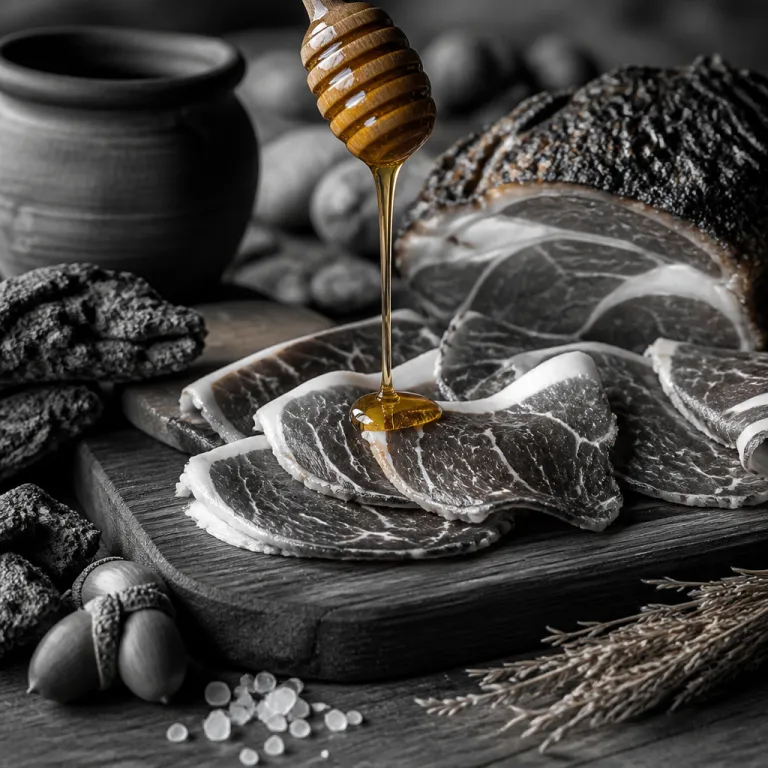
As one tourism board guide for first-time visitors puts it, Alentejano black pork is “a native Iberian breed, valued for its marbled meat and acorn-fed flavor.” The characteristics that matter most for travellers are easier to taste than to memorise, because acorn-fed pigs develop intramuscular fat that melts into the meat during cooking. Order grilled black pork loin, slow roasted spare ribs or thin slices of cured ham and you will notice a gentle sweetness, a nutty depth and a texture closer to jamón ibérico than to standard ham from a supermarket shelf.
How to verify genuine porco preto on estate menus
High-end properties near Évora and in the wider Alentejo now treat porco preto as a signature, not a side note. At estate restaurants such as the one highlighted in the guide to Michelin level Alentejo dining, chefs plate black pork as both rustic carne de porco dishes and refined tasting menu courses. Look for mentions of acorn-fed Iberian black pigs or black pork from specific farms, ask whether the presunto de porco is air dried on site, and you will quickly distinguish award-winning interpretations from generic pork offerings.
As a quick checklist, genuine montado-sourced black pork is usually signalled by: clear references to the Alentejano breed or porco preto; mention of acorn-fed or montanheira finishing; labels such as DOP or IGP on cured ham; and staff who can explain where the animals were raised and how the meat was cured.
Olive oil, bread and air dried traditions: the quiet luxury of Alentejo food
In Alentejo, olive oil is not a condiment; it is the backbone of daily life. The best luxury hotels treat their house oil with the same respect as their wine list, often partnering with small mills that press fruit from the surrounding montado. When you sit down to a lunch centred on local pork, the first thing to reach your table is usually bread and olive oil, not a cocktail.
That bread, made from regional wheat flour, arrives with a crust built for dipping and a crumb ready to fill with golden oil and meat juices. Traditional cooks still rely on wood-fired ovens and clay pots, so air-dried sausages, presunto de porco and other pork preparations hang in cool rooms where the region’s dry air does the work. Estate kitchens turn yesterday’s loaf into bread soup enriched with egg yolks, olive oil and sometimes shreds of pork, proving that luxury here is measured in depth of flavor rather than in elaborate plating.
Guests curious about these techniques should ask concierges to arrange visits to nearby mills and wineries, especially those that still use talha, the Roman-style clay amphorae celebrated in guides to vinho de talha ceremonies. Watching olive oil flow from a small press, then tasting it alongside jamón ibérico style cured ham and local wine, connects the dots between air-dried traditions and the montado’s low-input agriculture. Children often remember plunging bread into freshly pressed oil long after they forget which infinity pool they swam in.
Wild honey, eggs and family tables: how estates cook for children
Families choosing premium stays in Alentejo quickly realise that the region cooks generously for children. Breakfast buffets lean on local eggs, wild honey and simple pork dishes rather than sugary cereals, which suits the slower rhythm of the montado. Ask for ovos mexidos made with deep orange egg yolks and a drizzle of honey, and you will see how even a basic egg dish reflects the surrounding fields and hives.
Local beekeepers move their hives through the montado to follow native flora, so the honey that appears on your table changes subtly with the seasons. Regional agricultural notes describe wild honey as “collected from mixed Mediterranean scrub and oak woodland,” a plain phrase that hides a complex landscape. Estate chefs use this honey to glaze black pork spare ribs, sweeten wheat flour cakes enriched with egg yolks and meat fat, and balance the salt of presunto de porco in small tasting plates that work well for sharing.
Parents who want children to understand where food comes from should ask hotels about farm-to-table experiences and seasonal activities. Many properties near Évora and across Alentejo offer gentle walks through the montado to meet black pigs, see olive groves and watch bees from a respectful distance, before returning to taste regional pork in kid-friendly formats. A simple plate of grilled meat, bread, olive oil and honey becomes a lesson in ecology rather than just another resort lunch.
Booking the right estate: reading menus like a montado insider
Choosing a luxury hotel in Alentejo is easier when you read the restaurant pages as carefully as the spa descriptions. Properties that take the montado seriously will mention porco preto, presunto de porco, local olive oil and farm partnerships alongside room categories. When you see references to specific producers such as Montaraz or Montaraz Garvão, or to acorn-fed black pigs and air-dried cured ham, you are looking at a kitchen that treats regional pork as a responsibility rather than a trend.
Before booking, ask how often the menu changes and whether the estate works with local farmers and artisan producers for pork, bread and wine. Serious properties will talk about farm-to-table dining, sustainable food practices and traditional cooking techniques such as wood-fired ovens and clay pots, not just about international buffets. For a deeper sense of how service culture aligns with gastronomy, the guide to personalised services on Alentejo booking platforms is a useful companion when comparing options.
Once on site, let the staff fill in the details that websites cannot capture. Ask which dishes best express the characteristics of the local black pig breed, whether the jamón ibérico style ham is labelled as presunto de porco or another regional name, and which award-winning wines pair best with grilled pork loin or rustic carne de porco stews. The more you engage with these questions, the more each plate of black pork, each slice of ham and each pour of olive oil becomes a map of the montado you are sleeping in.
FAQ
What makes Alentejo black pork different from other pork?
Alentejo black pork comes from a native Iberian pig breed that lives free range under cork and holm oaks, feeding on acorns and pasture. This acorn-based diet creates distinctive marbling, giving the meat a nutty flavor and a texture closer to jamón ibérico than to standard ham. When you see porco preto or presunto de porco on an estate menu, you are usually tasting this specific combination of genetics, landscape and feed.
How can I tell if a hotel restaurant serves genuine montado products?
Look for clear references to porco preto Alentejano, local olive oil, wild honey and partnerships with nearby farmers or producers such as Montaraz Garvão. Menus that name specific farms, mention air-dried cured ham or highlight acorn-fed black pigs are usually signalling a direct link to the montado rather than buying generic pork. Staff should be able to explain where the pigs are raised, how the ham is dried and which olive groves supply the oil.
Is Alentejo food suitable for families with children?
Yes, Alentejo food works very well for families, because many dishes are simple, generous and based on familiar ingredients such as bread, pork, eggs and olive oil. Estate restaurants often adapt carne de porco, grilled pork loin or spare ribs into smaller portions, and breakfasts feature local bread, honey and egg dishes that appeal to younger travellers. Hotels used to hosting families will also offer lighter options and can adjust seasoning while keeping the core montado flavors.
When is the best time to experience montado based cuisine in Alentejo?
Montado-based cuisine is available year round, but the exact dishes change with the seasons as farmers adjust to pasture, acorn availability and weather. Cooler months often highlight richer pork stews, air-dried sausages and oven-baked dishes, while warmer periods lean toward grilled black pork, salads and lighter plates. Booking estate stays outside peak heat also makes walks through the montado more comfortable for families.
Should I book estate food experiences in advance?
Advance booking is strongly recommended for estate restaurants, farm visits and special tastings that focus on black pork, olive oil and wine. Many high-end properties have limited seating for montado-themed dinners or guided tastings of presunto de porco, award-winning wines and olive oils. Confirming these experiences when you reserve your room ensures that your stay reflects the full depth of Alentejo’s landscape-driven cuisine.