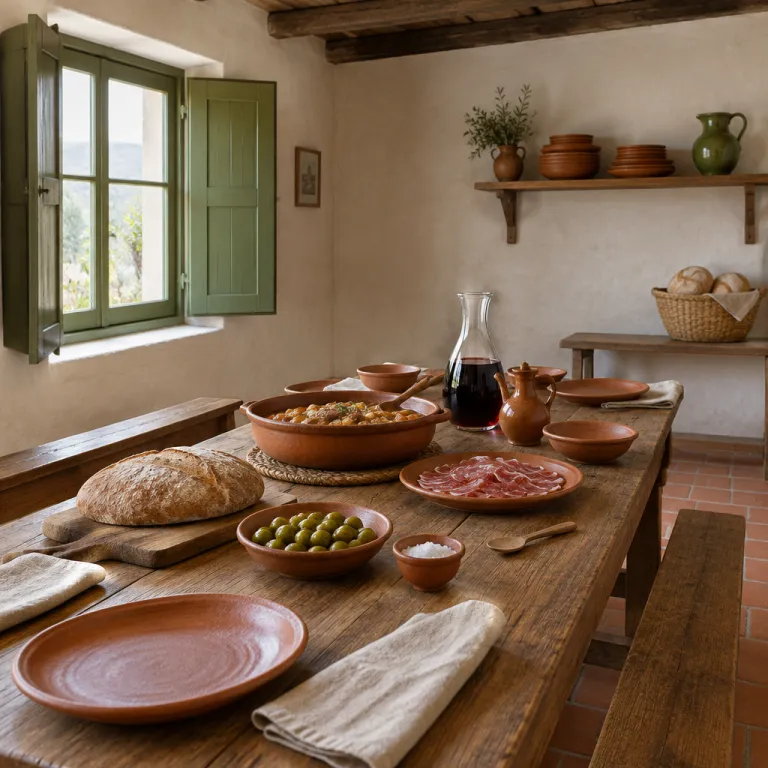
The quiet luxury of alentejo tasca traditional dining
Luxury travelers often arrive in Alentejo expecting starched linens, yet the region’s deepest flavour lives in small tascas where the food sets the rhythm. In these family dining rooms, alentejo tasca traditional dining means a short spoken menu, a jug of local wine and a room of people who treat lunch as the main event of the day. For anyone booking a premium hotel in this part of Portugal, understanding these places turns every stay into a quiet masterclass in traditional Portuguese hospitality.
A tasca is not a themed restaurant ; it is an extension of someone’s home, usually in a modest neighbourhood of a whitewashed city or village. You walk in, take a table, and the first interaction is the couvert, the small plates of bread, olives, queijo and sometimes cured pork that arrive before you even see a menu. In alentejo tasca traditional dining, you pay only for what you touch, so if you are not hungry enough for all the food, leave some plates untouched and they will simply go back to the counter.
Printed menus exist, but the best food is usually on the handwritten board or recited by the owner, who acts as an informal local guide to what the kitchen actually feels proud of that day. This is where traditional Portuguese dishes like bread soups, rice stews and slow cooked pork appear in their most honest form, often at a fraction of what you would pay in Lisbon Portugal for comparable Portuguese cuisine. For guests used to polished hotel dining rooms, this contrast is part of the appeal ; the tasca is where the region’s everyday genius quietly outshines many a city restaurant.
From couvert to coffee: decoding the tasca ritual
Once seated, the couvert arrives without ceremony, usually bread still warm, local olive oil, sometimes a small plate of sheep’s cheese or thinly sliced black pork. In alentejo tasca traditional dining, this is not a complimentary gesture but a transparent part of the bill, and understanding that makes you feel less like a tourist and more like one of the regular people at the next table. If you want to keep things light, politely send back what you will not eat ; the staff are used to this and it is considered normal in Portugal.
Next comes the real decision point, when the owner or waiter recites the day’s menu, often faster than any printed card in Lisbon food temples. Listen for words like açorda, migas, ensopado, pork clams or bacalhau à Brás, because these signal the backbone of Portuguese food in the region, built on bread, rice, pork and fish rather than elaborate sauces. In many tascas the prato do dia, the plate of the day, is the best food choice, since it reflects what was freshest at the market that morning and what the kitchen can serve to a full room without compromising flavour.
Wine is almost always poured from unlabelled jugs, either simple red or crisp white wine, and in Alentejo you should not underestimate how good this can be. Talha wine, aged in clay amphorae, sometimes appears in these settings, offering a direct line to ancient Portuguese cuisine traditions that predate any modern restaurant in Lisbon Portugal. If you enjoy curating your in room drinks as much as your meals, you may appreciate how this humble ritual contrasts with the more polished pleasures of an elegant minibar experience in Lisbon, yet both speak to the same national obsession with good wine and thoughtful hospitality.
Dishes to know: bread, pork and the architecture of flavour
Alentejo is wheat country, and alentejo tasca traditional dining reflects that in dishes where bread is not an afterthought but the main structure. Açorda arrives as a steaming bowl of bread, garlic, coriander and olive oil, sometimes crowned with a poached egg or pieces of fish, while migas turns day old loaves into a rich, almost creamy side for grilled pork. These plates may look rustic, yet they are as carefully balanced as anything in a tasting menu, and they tell you more about Portuguese cuisine than many formal dining rooms in Lisbon Portugal.
Meat lovers will find that black pork is the quiet star of many menus, appearing as grilled secretos, slow cooked stews or the beloved combination of pork clams, where cubes of marinated pork meet briny shellfish in a pan glossed with olive oil and white wine. In season, game stews and lamb ensopados appear, often alongside simple rice cooked in stock, proving that the best food in a tasca rarely needs more than a handful of ingredients. Fish is never far away either, with bacalhau à Brás, a comforting tangle of shredded cod, potatoes and egg, anchoring many a lunch in both Alentejo and the city tascas of Lisbon.
Cheese and sweets close the loop, from soft sheep’s cheeses served with bread to slices of regional cakes that quietly rival any pastel de nata you might queue for near São Bento station in Lisbon. For travelers who split their time between a luxury stay in Alentejo and a night near Casa Alentejo or Velho Eurico in Lisbon, this continuity of flavours across city and countryside becomes part of the pleasure. To go deeper into how hotel restaurants interpret these classics, look to our dedicated guide on gastronomic journeys in Alentejo’s luxury hotels, where chefs translate tasca roots into refined plates without losing their soul.
Ordering like a regular: strategy, etiquette and timing
Regulars in alentejo tasca traditional dining rarely overcomplicate things ; they read the room, ask what is good today and commit. Start by ordering one shared starter, perhaps cheese with bread and olive oil, then a single hearty main per person, because portions in this part of Portugal tend to be generous. If you are alone, do not hesitate to ask whether a meia dose, a half portion, is possible, as many tascas will happily oblige.
Sharing is expected, especially with dishes like pork clams, rice stews or platters of grilled black pork, and it is perfectly acceptable to ask for an extra plate so everyone can taste. The prato do dia is often the smartest order, particularly at lunch, when the kitchen focuses on one or two traditional Portuguese dishes that suit the weather and the available ingredients. In smaller villages, cash is still king, so carry enough for your meal and a coffee, since card machines can be unreliable even when your luxury hotel in the same city feels entirely cashless.
Timing matters as much as what you choose from the menu, because lunch is the main meal of the day and the room fills quickly with local workers and families. Arriving early gives you the best place in the dining room and ensures that slow service feels like a feature, not a frustration, as you watch people linger over wine and conversation. For travelers used to fast paced street food or structured food tour experiences in Lisbon, this slower rhythm can feel like a reset, a reminder that in Alentejo the real luxury is time.
From hotel to tasca: weaving everyday genius into a luxury stay
Staying in a high end property in Alentejo gives you access to polished Portuguese food, curated wine lists and thoughtful service, yet the region’s character only fully emerges when you step into a tasca. Ask your concierge or a trusted local guide for the address of their own favourite place, not the one they think tourists want, and pay attention to how they describe the neighbourhood and the people who run it. Often the best address is a simple spot on a quiet rua or calçada, with no website, no booking system and a menu that changes more than any restaurant in central Lisbon.
Many travelers pair days of riding or vineyard visits with tasca lunches, using the hotel as a calm base between these intensely local experiences. If you are planning a day on horseback through cork forests and vineyards, our guide to Lusitano farms and bridleway routes shows how easily a ride can end at a family table laden with rice, pork and a jug of house wine. This is where alentejo tasca traditional dining becomes more than food ; it becomes the social glue that connects hotel, countryside and village.
Back in Lisbon, you may find echoes of these meals in places like Casa Alentejo near Rossio, or in the way a small restaurant near São Bento serves bacalhau à Brás to a room of regulars. Yet the prices, the pace and the sense of community feel different in Alentejo, where a simple lunch can rival any carefully planned food tour through Lisbon Portugal in terms of memory and meaning. For many luxury travelers, the real benchmark is no longer the minibar or the spa but whether a stay delivers at least one tasca meal that feels like being welcomed into someone’s home.
FAQ
How do I recognise a good tasca in Alentejo ?
A good tasca usually looks modest from the outside, often with a handwritten menu and a room filled with local people rather than visitors. Look for simple tables, the smell of grilled pork or fish and shelves lined with wine bottles or clay talhas. If the staff greet regulars by name and the prato do dia sells out early, you are probably in the right place.
Is it necessary to book a table at an Alentejo tasca ?
In smaller towns and villages, many tascas do not take formal reservations, especially at lunch. Arriving early, around the start of local lunch hours, usually secures a table without difficulty. In busier city neighbourhoods, your hotel can sometimes call ahead, but walking in remains the norm.
What should I order if I am visiting a tasca for the first time ?
If you are new to alentejo tasca traditional dining, start with a simple cheese and bread couvert, then choose the prato do dia or ask for a recommendation. Dishes like açorda, migas, pork clams, grilled black pork or bacalhau à Brás are reliable introductions to traditional Portuguese flavours. Pair your meal with the house red or white wine, which is usually excellent value.
Can solo travelers feel comfortable eating in a tasca ?
Solo travelers are common in Alentejo, and tascas are generally welcoming, informal spaces where eating alone does not feel unusual. Staff are used to guests from nearby hotels and will often suggest half portions or lighter plates if you ask. Sitting near the counter can make it easier to interact with the team and observe the rhythm of the room.
How does tasca dining compare with hotel restaurants in Alentejo ?
Hotel restaurants in Alentejo tend to refine Portuguese cuisine, offering polished service, extensive wine lists and carefully plated dishes. Tascas, by contrast, focus on straightforward food, generous portions and a strong sense of local community. The most rewarding trips usually include both experiences, using the hotel for comfort and the tasca for everyday culinary insight.