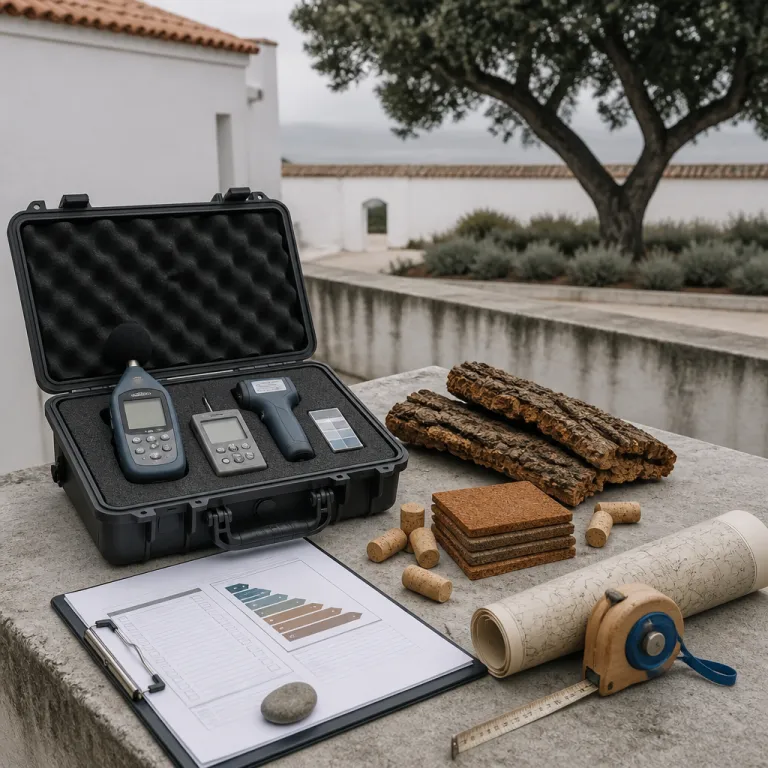
What sustainability really means in the Alentejo region
In the Alentejo region of Portugal, sustainability starts with water, not slogans. Long dry seasons, shallow reservoirs and thirsty rice fields mean every high-end rural hotel must treat each litre as precious, especially when a shimmering swimming pool or outdoor pool is part of the promise. When you plan your travel to Portugal Alentejo, you are entering a countryside where cork oaks, olive groves and vineyards survive only because generations learned restraint.
This context matters when you read any hotel sustainability page before you check availability for your stay. A genuinely responsible retreat in the Alentejo will explain how it manages water for every pool, spa circuit and guest room, often mentioning drip irrigation, native planting and reduced lawn areas that respect the surrounding nature. If a hotel in Alentejo boasts of a vast pool outdoor complex without explaining water sources or reuse, that is your first quiet red flag.
Energy is the second pillar in this sun drenched corner of Alentejo Portugal. Many of the most serious luxury hotels now lean heavily on solar panels, taking advantage of long, clear days to power air conditioning, spa facilities and restaurant kitchens with fewer emissions. When you read about an eco conscious stay in the region, look for specific numbers, not vague claims about green energy or eco friendly intentions.
How to read a sustainability page before you book
Start with the basics when you check any sustainability section for a luxury hotel. You want to read clear answers to three questions: where does the energy come from, how is water managed and how far does food travel before it reaches your plate in the restaurant. A serious sustainable luxury hotel in Alentejo will treat these as operational facts, not marketing poetry.
Monte da Provença, near Elvas, is a useful benchmark for energy transparency in Portugal. The property states on its website that 60% of its electricity is generated from solar panels (figure reported in 2023, based on annual consumption data), a concrete claim that shows how the Alentejo region’s sunlight can meaningfully reduce emissions for both rooms and shared spaces like the spa or pool. The hotel attributes this percentage to internal monitoring and periodic energy audits, which guests can request further detail on by contacting the property directly.
Water data is rarer, but language still reveals priorities in this part of Portugal Alentejo. Look for references to grey water systems, low flow fixtures and seasonal limits on filling any swimming pool or outdoor pool, especially in areas surrounded by rice fields or fragile wetlands. A practical checklist includes asking about greywater treatment capacity, rainwater harvesting volume, pool refill policies during drought alerts and whether irrigation is restricted to native or drought tolerant plants.
Signals of genuine sustainability on the ground
Once you arrive at any sustainable luxury hotel in Alentejo, the details either confirm or contradict the website narrative. Step out of your room and look beyond the pool tiles to the surrounding nature, because land use tells you more than any recycled paper card on the bedside table. In a region where wheat fields, olive groves and vineyards define the horizon, a hotel that leaves generous wild margins is usually thinking long term.
At Vale do Gaio Hotel, for example, a clear environmental strategy underpins the lakeside calm. The property reports on its sustainability communications that CO2 emissions reduced annually by Vale do Gaio Hotel are 13 tons (latest figure shared for 2022, combining renewable energy and efficiency projects), a number that reflects both cleaner electricity and careful operational choices across rooms, restaurant and shared areas. The hotel explains that this figure is calculated using standard emissions factors for Portuguese electricity and fuel consumption, summarised in an internal methodology note that guests can request.
Food is another reliable indicator in Alentejo Portugal, where local produce can be exceptional. In a truly sustainable luxury hotel in Alentejo, the restaurant menu will read like a map of nearby farms, olive groves and vineyards, often pairing regional wine with simple countryside dishes. If you see imported strawberries in midsummer or generic international brands dominating the list, you are not in one of the best hotels for low impact dining, no matter how serene the pool outdoor area may look.
Urban heritage properties can also be part of a low impact itinerary when combined with rural retreats. A stay at an intimate Lisbon heritage address such as Solar do Castelo can pair well with a countryside retreat in the Alentejo region, reducing the need for long daily drives. This kind of itinerary planning matters when you think about the overall footprint of your travel through Portugal.
The herdade model : working farms as low impact retreats
Across Alentejo Portugal, many of the most convincing sustainable stays are not new build resorts but reimagined herdades, the traditional farm estates. These properties start with an existing footprint, then adapt barns, workers’ houses and wineries into a quiet form of luxury that sits naturally within the countryside. For families, this often feels more relaxed than a formal city hotel, with children moving easily between pool, fields and shaded courtyards.
Malhadinha Nova in the neighbouring Baixo Alentejo illustrates how a working estate can blend wine production, olive groves and guest rooms into a coherent whole. Guests sleep in restored farm buildings, taste estate wine in the restaurant and walk through vineyards that are managed with long term soil health in mind, rather than short term yield. This herdade model reduces the need for vast new infrastructure, because the land already supports agriculture, energy generation and, increasingly, small scale luxury tours for curious travellers.
When you read about any sustainable luxury hotel in Alentejo, ask whether it operates as a retreat layered onto an existing farm or as a standalone resort carved from untouched land. The former usually has shorter supply chains, more local employment and a more honest relationship with water and energy use, especially where rice fields or sensitive habitats are nearby. For a premium family planning travel through Portugal, choosing these places to stay can mean your children see how food, wine and nature connect, rather than just another anonymous swimming pool.
Case studies : five Alentejo hotels putting sustainability to work
Several properties across the Alentejo region now offer concrete examples of what a sustainable luxury hotel in Alentejo can look like in practice. Quinta Camarena, near the wild coastline, runs as a low key retreat where rooms are simple, materials are honest and the surrounding nature remains the main amenity. The team there emphasises pet friendly stays, local partnerships and a pace of travel Portugal rarely offers in its busier coastal hubs.
Monte da Provença, already mentioned for its solar capacity, shows how a hotel Alentejo can integrate renewable energy without sacrificing comfort. Guests still enjoy a serene pool, generous rooms and a small spa, but much of the electricity is generated on site, reducing the property’s dependence on the grid. Monte do Zambujeiro, overlooking the Mira River, takes a similar approach, combining traditional architecture with waste reduction, composting systems and careful land management that keeps the countryside feeling genuinely wild.
Alentejo Marmòris Hotel & SPA in Vila Viçosa offers a different template, weaving sustainability into a more urban, marble focused form of luxury. Here, the spa, indoor pool and restaurant sit within a town setting, yet the hotel still works with local artisans and suppliers to keep its footprint grounded in the region. Across these examples, the pattern is clear: when a property names its partners, shares data and explains choices, you are usually looking at one of the best places to stay for low impact travel in Portugal.
Questions to ask before you check availability
Before you press any check availability button for a sustainable luxury hotel in Alentejo, send one concise email. Ask how the hotel manages water for its swimming pool, spa and gardens, and whether any grey water or rainwater systems are in place. In a region where reservoirs drop visibly by late summer, a thoughtful answer here matters more than any design feature in your room.
Next, request specifics on energy and sourcing, because numbers reveal priorities. You might ask what percentage of electricity comes from solar panels, how often linen is changed by default and what proportion of the restaurant menu is supplied by local producers within, say, a 50 kilometre radius. You can also inquire whether the property holds recognised certifications such as the EU Ecolabel, Biosphere Responsible Tourism or ISO 14001, and if so, where you can read the latest audit summary.
Finally, consider staff and community practices, which are often overlooked when people focus only on pools and spas. Ask whether the hotel supports local training, works with nearby guides for countryside tours or wine visits and encourages guests to explore on foot or by bicycle rather than by car. For deeper context on how the wider region is evolving, it is worth reading about Évora’s cultural future before you plan your route through Alentejo Portugal.
Key figures behind sustainable stays in the Alentejo
- The Wines of Alentejo Sustainability Program now covers almost half of the vineyard land in the region (around 50% of planted area according to program reports for 2022), making it the first initiative of its kind in Portugal and a strong indicator that wine estates linked to hotels are moving towards more responsible production. The program’s public summaries outline criteria on water, soil, biodiversity and energy that participating producers must report against.
- Monte da Provença reports that 60% of its electricity is generated from solar panels, based on internal monitoring of annual consumption, showing how a hotel Alentejo can use abundant sunlight to power rooms, spa facilities and shared spaces while reducing dependence on fossil fuels. The figure is presented in the property’s sustainability communications, which note that it is reviewed periodically as new panels are installed or equipment is upgraded.
- CO2 emissions reduced annually by Vale do Gaio Hotel are 13 tons, a measurable impact that reflects investments in renewable energy and efficiency measures rather than reliance on carbon offsets alone, and one that the property updates periodically in its environmental reporting. The hotel states that this estimate is derived from comparing current energy use with a pre-renovation baseline and applying emissions factors recommended by national energy agencies.
- Regional tourism bodies note a steady increase in demand for eco friendly accommodations in Alentejo Portugal, pushing more luxury hotels to adopt renewable energy, waste reduction and local sourcing as standard practice rather than optional extras.
- Several leading properties now integrate organic farming plots or kitchen gardens on site, shortening supply chains for their restaurant menus and giving guests a direct connection between the surrounding countryside and what appears on the plate.
Snapshot of reported sustainability metrics (illustrative)
| Property / Program | Key figure | Scope / Notes |
|---|---|---|
| Wines of Alentejo Sustainability Program | ~50% vineyard area | Share of regional vineyards enrolled (2022 reports, based on program self-reporting) |
| Monte da Provença | 60% electricity from solar | Self-reported share of annual power use (2023, drawn from internal monitoring data) |
| Vale do Gaio Hotel | 13 tons CO2 avoided / year | Combined effect of renewables and efficiency (2022, calculated using stated baseline method) |
FAQ about sustainable luxury hotels in the Alentejo
What are the most common sustainability practices in Alentejo hotels ?
Use of renewable energy, waste reduction, and support for local communities. In practice, this often means solar panels on roofs, LED lighting throughout the hotel, composting systems behind the restaurant and partnerships with nearby farmers, artisans and guides. When you read a sustainability page, these elements should appear with concrete examples rather than generic promises.
How can I verify a hotel’s sustainability claims before booking ?
Check for certifications and inquire about specific eco-friendly initiatives. Look for recognised labels, clear data on solar energy use, water saving measures and local sourcing percentages, then send a short email with targeted questions about pools, linen policies and restaurant suppliers. A serious sustainable luxury hotel in Alentejo will respond with practical details, not just marketing language.
Why is sustainable tourism particularly important in the Alentejo region ?
To preserve the region's natural beauty and cultural heritage. The Alentejo region faces real water scarcity, relies on fragile ecosystems of cork oak forests, olive groves and vineyards, and depends heavily on agriculture and wine for its economy. Sustainable tourism helps protect these landscapes while ensuring that local communities benefit from the growing interest in travel to Portugal.
Are family friendly luxury hotels in Alentejo compatible with sustainability ?
Yes, many of the most appealing family friendly properties are on working farms or small estates where children can move between pool, fields and simple outdoor activities. These hotels often combine modestly sized swimming pools with large natural spaces, local food and low key countryside tours, which keeps both impact and stress levels down. When you check availability, ask about child focused experiences that connect them with nature rather than only with screens and slides.
How should I balance comfort and conscience when choosing where to stay ?
Start by deciding which comforts matter most, such as a pool, spa access or a particular style of room, then look for properties that deliver those within a clear sustainability framework. In the Alentejo region, that usually means smaller scale hotels on existing estates, visible solar installations, thoughtful water policies and restaurant menus built around local wine and produce. If a place offers extreme luxury with no mention of these elements, it is unlikely to be the most responsible choice for your travel through Portugal.