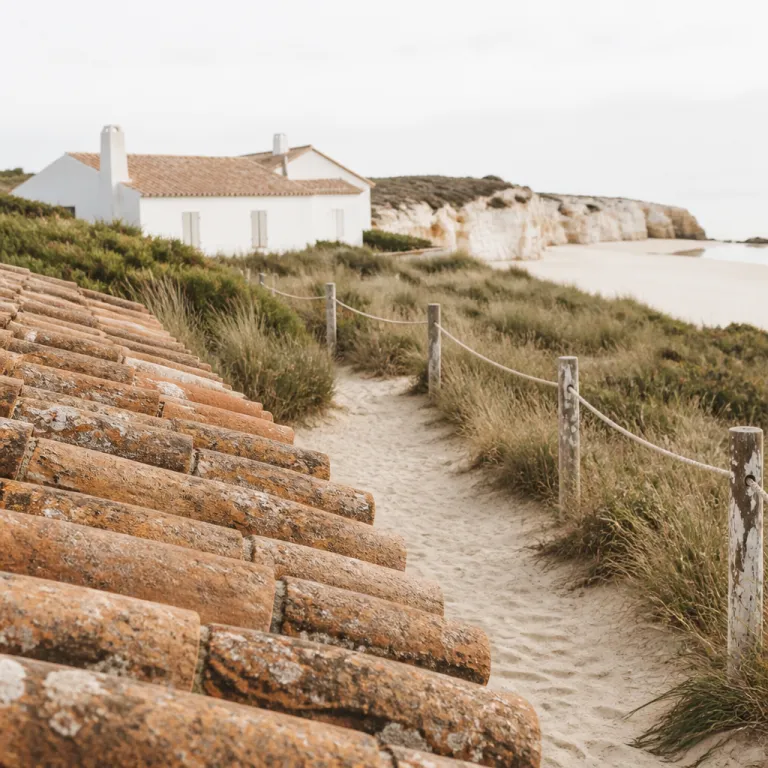
Why the Fishermen’s Trail suits luxury minded walkers
The Fishermen’s Trail along Portugal’s southwest coast is usually framed as a long distance rite of passage for backpackers. For a different kind of traveller, fishermens trail Alentejo walking can mean unhurried days on a coastal trail, followed by a hot shower, a serious mattress and a glass of local red. This route is part of the wider Rota Vicentina, and the Alentejo sections lend themselves beautifully to a rhythm of one carefully chosen trail day, one indulgent night.
Across roughly 226.5 km and 13 stages, the fishermen trail and its parallel inland paths thread between small town harbours, wild coves and blue green headlands. Official guidance is clear : “Most stages end in towns with accommodations. (waw.travel)” and “Approximately 226.5 km. (komoot.com)”. For luxury travellers, the art lies in choosing the specific fisherman trail segments where accommodation options at both ends rise above the basic guesthouse level.
Think of fishermens trail Alentejo walking as a sequence of curated days rather than a single long distance push. One day might be a 16 km walk between two fishing villages, another a shorter 12 km hiking stretch that leaves time for a spa treatment or a tasting menu. Hikers and fishermen share the same Atlantic views, but your evenings unfold in restored farmsteads, design forward townhouses and coastal estates rather than dorms, with each day vila or village chosen for its comfort as much as its scenery.
Porto Covo to Vila Nova de Milfontes: coves, cliffs and character stays
The classic Alentejo section of the fishermen trail begins in Porto Covo, a whitewashed town that still feels anchored to its fishermen rather than to mass tourism. From here, the coastal trail south towards Vila Nova de Milfontes delivers a full day of walking along ochre cliffs, with the Atlantic throwing up one blue green cove after another. This Porto Covo to Vila Nova stretch is ideal for travellers who want a clear route, manageable distance ascent and a proper bed waiting at both ends.
On a typical day you will walk 15 to 18 km, roughly 9 to 11 miles per day, mostly on sand and cliff paths that can feel tougher than the numbers suggest. The route passes near São Torpes and the broader São Torpes beach area, where the sand is wide, the waves are consistent and the industrial backdrop near Sines is softened by distance. Many walkers choose to break the journey with a transfer from Porto Covo to São Torpes, then continue the hiking south, using the town as a base for two days of coastal exploration.
Vila Nova de Milfontes offers some of the best mid range and upscale accommodation options on the entire rota Vicentina corridor. In this town you can pair fishermens trail Alentejo walking with riverfront sundowners, or arrange a car to explore the interior’s regenerative wine estates, including properties featured in analyses of how the Alentejo bet that regenerative agriculture, not amenity stacks, is the next luxury moat on stay-in-alentejo.com. For travellers who prefer a fisherman trail experience with polished service, Milfontes is the natural hub, with accommodation ranging from discreet guesthouses to rural hotels a short taxi ride away.
Milfontes to Almograve and Zambujeira do Mar: stage hopping with a soft landing
South of Vila Nova de Milfontes, the fishermen trail continues towards Almograve and Zambujeira do Mar, and this is where fishermens trail Alentejo walking becomes especially appealing for those who like to mix effort with indulgence. The Milfontes Almograve section is a classic coastal trail day, with sandy paths, low cliffs and constant views of the river meeting the sea. Many walkers base themselves in Vila Nova and use short transfers to walk Milfontes Almograve in one direction, then return by taxi to their preferred accommodation.
From Almograve, the route continues as Almograve Zambujeira do Mar, a stage that feels wilder and more remote, yet still finishes in a town with characterful places to stay. Zambujeira do Mar, often written as Zambujeira Mar in trail notes, has a compact centre, a dramatic beach and enough accommodation options to suit both mid range and higher end tastes. Here, a fisherman might still mend nets on the quay while you plan the next day’s hiking over grilled sea bass and a bottle of Antão Vaz.
Luxury inclined travellers often arrange luggage transfers between Vila Nova, Almograve and Zambujeira do Mar, walking with only a day pack while their bags travel by car. This pack light approach allows you to wear proper hiking boots or trail runners without being weighed down, and it keeps the focus on the route rather than on logistics. It also makes it easier to fold in a detour inland, perhaps to a quiet design led retreat such as the one reviewed in depth in the Vermelho Melides piece on stay-in-alentejo.com, where a few days of stillness can bookend your fisherman trail adventure.
São Torpes, Sines and the quieter northern reaches
North of Porto Covo, the rota Vicentina brushes the industrial port of Sines and the long arc of São Torpes beach, an area often skipped by first timers. For travellers who value solitude and a certain rawness, this part of the fishermen trail offers a different kind of Alentejo coastal trail day, with fewer walkers and a stronger sense of working coastline. The town of Sines itself is not a resort, but it can serve as a practical base with reliable accommodation when you want to explore these lesser walked miles.
São Torpes, sometimes written as Torpes, is known for its long sandy stretch and the slightly surreal backdrop of the power station, yet the water is warm and the surf consistent. A day that links São Torpes beach with Porto Covo or with smaller coves to the north gives a clear sense of the region’s industrial maritime history alongside its natural beauty. Distance ascent figures remain modest, but the exposure to sun and wind makes this a serious walking day, especially in the hotter months.
For fishermens trail Alentejo walking in this northern zone, think in terms of flexible stages rather than fixed guidebook days. You might plan one long distance push from Sines to Porto Covo, then reward yourself with a night in a more characterful property back in Porto Covo or further south in Vila Nova. Travellers who appreciate contrast sometimes pair this rugged fisherman trail segment with a stay on the Comporta peninsula, using conservation first coastal projects such as those described in the Na Praia Arrives feature on stay-in-alentejo.com as a reference point for where Alentejo luxury is heading.
Linking the coast with Évora and the Alentejo interior
One of the great pleasures of planning fishermens trail Alentejo walking is the chance to combine the Atlantic with the region’s inland heart. After several days on the fishermen trail between Porto Covo, Vila Nova de Milfontes and Zambujeira do Mar, many travellers head east towards Évora or Monsaraz for a different rhythm. Here, the focus shifts from beach and coastal trail views to whitewashed alleys, Roman stones and vineyard lined horizons.
A well balanced itinerary might include four days of walking, with stages such as Porto Covo to Vila Nova, Milfontes Almograve and Almograve Zambujeira do Mar, followed by three days in the interior. In Évora, you trade the sound of waves for the quiet of cloistered courtyards, while in Monsaraz the Alqueva lake stretches out like an inland sea. Distances between coast and interior are manageable by car, turning the whole journey into a single, coherent travel narrative rather than separate trips.
When planning, remember the basics that experienced hikers and local hoteliers repeat : book hotels in advance and check trail conditions, especially for any section with significant distance ascent or exposed cliffs. The event type here is hiking, but the objective is as much about comfortable accommodation as about kilometres covered. With careful choices of town, vila and rural estate, your fisherman trail days become chapters in a wider Alentejo story, where each night’s accommodation reflects the region’s quiet confidence rather than a generic resort template.
FAQ
How many days should I plan for the Alentejo sections of the Fishermen’s Trail ?
Most luxury minded walkers allocate four to six days for the Alentejo part of the fishermen trail, focusing on stages between Porto Covo, Vila Nova de Milfontes, Almograve and Zambujeira do Mar. This allows for one coastal trail day of 15 to 20 km, followed by a comfortable night in a quality hotel, repeated several times. You can then add two or three days in Évora or Monsaraz to round out the journey.
Which sections have the best accommodation at both ends ?
The most reliable pairing of walking and accommodation options is between Porto Covo and Vila Nova de Milfontes, and then onwards to Almograve and Zambujeira do Mar. Each of these towns offers a range of places to stay, from mid range guesthouses to more refined rural hotels within taxi distance. This makes it easy to plan fishermens trail Alentejo walking without compromising on comfort.
Do I need to carry my luggage while walking the Fishermen’s Trail ?
You do not need to carry full luggage if you arrange transfers between your hotels. Many local partners and hoteliers along the rota Vicentina corridor offer bag transport, so you can walk each day with only a light pack. This approach is especially appealing on sandy sections where every extra kilogram makes the distance feel longer.
What is the terrain like on the Alentejo coastal stages ?
The Alentejo stages of the fisherman trail combine cliff top paths, sandy tracks and occasional paved stretches near towns. Distance ascent figures are usually moderate, but the sand and lack of shade can make a 15 km day feel more demanding. Proper hiking footwear, sun protection and enough water are essential, particularly between Porto Covo, Vila Nova and Zambujeira do Mar.
When is the most comfortable season for walking these sections ?
The most comfortable periods for fishermens trail Alentejo walking are spring and late autumn, when temperatures are milder and the light is soft. Summer brings strong sun and heat, which can make long distance days on exposed cliffs challenging, especially near São Torpes beach and the open stretches south of Milfontes. Many luxury travellers choose shoulder seasons to enjoy both the trail and their accommodation without weather related stress.