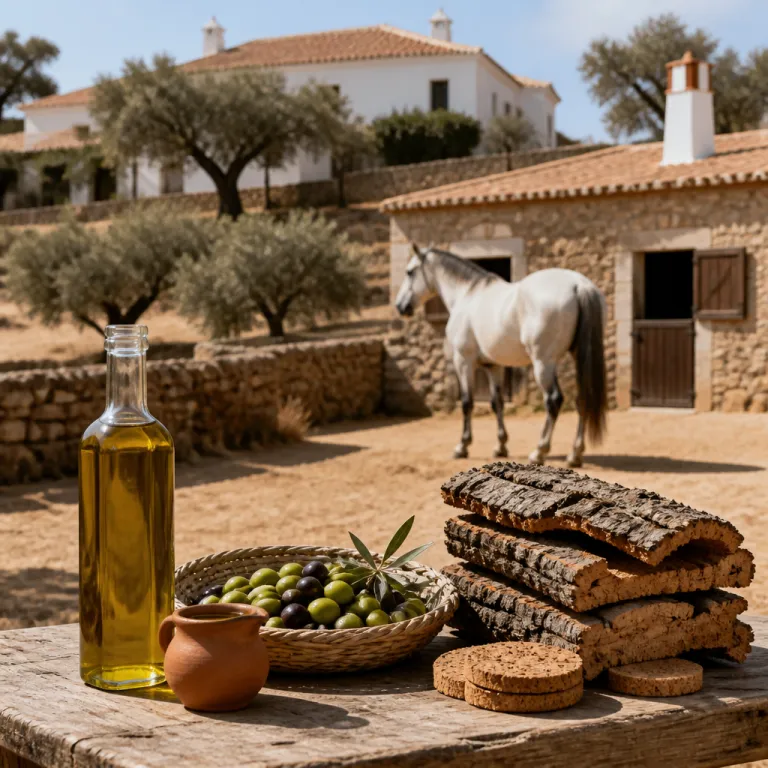
Herdade Alentejo farm stay: where the estate sets the rhythm
A true herdade Alentejo farm stay is not a themed backdrop, it is a working farm first and a place for guests second. On these estates in the Alentejo region of Portugal, the cork oaks, olive groves and vineyards dictate the pace of every stay, while the architecture and service quietly rise to luxury hotel standards without drowning out rural life. If you are used to polished city hotels Alentejo will feel slower, but a night on a herdade shows how rural tourism here is built around real work, not staged activities.
The difference between a genuine herdade and decorative farm stays becomes clear at breakfast, when the olive oil, honey and bread come from the same organic farm you walked through at dusk. On a serious working herdade the agricultural activity is continuous, whether it is cork being harvested by hand, grapes being sorted for wine or horses being exercised before the heat, and guests are invited to watch or join without turning the farm into a theme park. That is why these stays in Alentejo Portugal attract independent travellers who want a role in the day, not just a room with a pool and a long wine list.
When you compare rural hotels across the Alentejo, look beyond the design language and ask how the land is used, because a herdade that lives from its fields will shape your stay in ways a conventional countryside hotel cannot. Estate owners talk about agritourism in very practical terms and one widely used definition captures it clearly: "Agritourism involves visiting farms to experience agricultural life firsthand" (U.S. Department of Agriculture). If that sentence does not match what you see in the reviews or on the map, you are probably looking at guest houses with a vineyard view rather than a working herdade farm stay.
Reading the land: how to tell if the agriculture is real
Start with the map before you check availability or compare price, because scale matters when you choose a herdade Alentejo farm stay. A compact 100 hectare organic farm can still offer serious rural tourism, but a large estate such as Herdade dos Grous, with its roughly 700 hectares of vines, olive groves and lakes as reported in regional tourism guides, gives guests a sense of landscape that most hotels cannot match. When you read previous reviews, look for concrete references to harvest work, horse care or olive pressing rather than generic praise for the swimming pool or décor.
On a genuine working herdade the staff will talk about cork cycles, grape yields and pasture rotation as naturally as they discuss room categories or pool temperature. You should see tractors, hear dogs, notice workers heading to the fields at first light, and if you stay more than one night you will start to recognise the rhythm of the farm as clearly as the restaurant schedule. Properties such as Herdade dos Alfanges, run by Andrea and Andreas in a seventeenth century farm setting, show how hosts can combine guest comfort with a living agricultural operation without slipping into stage set territory; one guest described waking to “the sound of horses being led out before sunrise instead of traffic.”
Booking direct with the herdade often reveals more about the real work on the land than any platform listing, which is why we recommend using detailed estate guides such as the piece on booking direct with the herdade for experiences that never reach travel platforms. When you speak to the team, ask how many people work on the farm, what happens in the fields during your chosen month and whether guests can join, because honest answers here are more useful than any polished review. If the conversation stays vague and focuses only on spa treatments, boutique style rooms and the outdoor swimming pool, you may be looking at a rural hotel with decorative vines rather than a true herdade farm stay.
Seasonal work: cork, olives, grapes and the guest experience
The most compelling reason to choose a herdade Alentejo farm stay is the chance to align your trip with the agricultural calendar, not the school one. Cork harvests happen on a nine to twelve year cycle for each tree and in Portugal usually fall between late May and August, when teams move through the montado woodlands stripping bark by hand while guests watch from the shade or walk alongside the workers (as outlined by the Portuguese Cork Association, which notes that stripping typically takes place in the warmer months). Olive pressing dominates autumn and early winter, typically from October into January, when the air around the mills smells of fresh fruit and guests can follow the olives from tree to stone press before tasting the new oil at dinner.
Grape harvests in the Alentejo region usually run from late summer into early autumn, often between August and September depending on the year, and on estates such as Herdade do Mouchão or Herdade dos Grous guests may help with selective picking, sorting or even a traditional foot treading session. These are not staged photo opportunities but real tasks folded into the working day, which is why you will be asked to wear comfortable clothing suitable for farm work and to book activities in advance, especially during harvest seasons. One winemaker explained to a guest that “every extra pair of careful hands makes a difference on a hot harvest afternoon,” a reminder that visitors are joining genuine work. Horse breeding adds another layer in spring, when foals appear in the paddocks and guests interested in equestrian life can assist with grooming or simply spend quiet time observing the herd.
For travellers used to urban boutique hotels, this seasonal immersion can feel like a reset, because your stay is shaped by dawn starts, long lunches and early nights rather than a spa timetable. Guides to the best countryside resorts in the region, such as the overview of Alentejo resorts worth the drive from Lisbon, help you understand which properties lean into this rhythm and which simply frame it from a distance. If you want your farm stays to feel authentic, choose herdades where the cork, olive and grape work is visible from your terrace, not just printed on the wine label.
From organic production to the guest table: what you actually taste
One of the quiet luxuries of a herdade Alentejo farm stay is the way the estate’s organic production flows straight to your plate and glass. On serious farms in Alentejo Portugal, the olive oil, wine, seasonal vegetables and often the lamb or pork come from the same fields you walked through that afternoon, turning every meal into a concise lesson in rural tourism. This is where the herdade model outperforms many boutique hotels, because the kitchen is not curating a concept but responding to what the land has produced that week.
At Herdade dos Grous, the estate managers oversee vineyards, olive groves and horse breeding, and guests can taste the difference in the wines poured at dinner or the oil drizzled over breakfast bread. On smaller properties, including some quinta-style estates and family friendly holiday homes, you might join the gardener to pick tomatoes or herbs before lunch, then see those same ingredients appear in a simple dish that outshines any elaborate restaurant plate. One host near Évora summed it up over coffee: “If the tomatoes are good, we serve tomatoes; the land writes the menu.” The connection between organic farm work and the guest experience is not theoretical here, it is plated three times a day and often discussed at length by returning guests in their reviews.
When you compare hotels across the Alentejo, pay attention to how often previous guests mention specific products such as estate olive oil, house wine or honey, because this signals a real farm stay rather than a decorative label. Some herdades now offer small farm shops where you can buy the olive oil, wine or preserves you tasted at dinner, turning your stay into a practical way to support rural tourism beyond the room price. If you care about where your food comes from, a herdade stay in the Alentejo region is one of the most transparent forms of hospitality you can book.
Choosing your herdade: from Évora to the coast and Comporta’s new frontier
For a first herdade Alentejo farm stay, many travellers start around Évora, where the location makes logistics easy and the landscape still feels deeply rural. Estates near the city offer a balance between access to UNESCO architecture and immersion in farm life, so you can spend one night at a wine focused herdade and the next at a horse breeding property without long drives. When you read each review, look for detail about the land and the work rather than generic praise for the pool or the rooms.
Further south and west, stays in Alentejo Portugal stretch towards the Atlantic, where properties such as Herdade Matinha blend pine forest, pasture and low key luxury near the coast. This is where you will find more guest houses and holiday homes that borrow the herdade language, so it becomes even more important to ask about the farm component, the swimming pool set up and whether the estate offers real outdoor swimming in lakes or rivers. The best stays in the region manage to be family friendly without diluting the agricultural experience, giving children space to roam while keeping the focus on the land rather than a long list of amenities.
On the Comporta peninsula, new projects are pushing the herdade idea towards conservation led models, as seen in the coverage of a conservation first luxury estate on the dunes. Here the emphasis is on low density stays, careful water use and protecting the surrounding farm and dune ecosystems, which appeals to guests who see rural tourism as a long term commitment rather than a one night escape. Whether you choose a classic inland wine estate, a quinta-style property near the coast or a more experimental project, the same rule applies: the more you understand the land, the richer your stay will be.
Practicalities: prices, availability and what to expect on the ground
Booking a herdade Alentejo farm stay requires a slightly different mindset from reserving a city hotel, because availability often follows the agricultural calendar rather than peak holiday dates. Cork harvest periods, grape picking weeks and olive pressing seasons can sell out months ahead, while quieter times may offer better price options and more time with the hosts. When you check availability, remember that some herdades close parts of the year to focus on farm work or estate maintenance, so flexibility pays off.
Room categories on these estates range from simple farm stay suites in converted barns to more polished units that would not look out of place in high end hotels, but the common thread is proximity to the land. Many properties offer a swimming pool or even a larger pool complex, yet the most memorable water moments often come from outdoor swimming in estate lakes or reservoirs at dusk, when the Alentejo region cools and the sky turns copper. If you are travelling as a couple or solo, do not dismiss family friendly herdades, because they often have the most generous farm infrastructure and the richest range of activities.
Guest expectations should align with the working nature of the farm: you may hear tractors early, see dust on the tracks and share breakfast space with workers heading out to the fields. Previous reviews that mention these details are usually a good sign, as they indicate a real farm environment rather than a manicured resort, and they help you decide whether a particular herdade suits your idea of comfort. In return, you gain access to a form of rural tourism that supports local economies, preserves traditional methods and offers a depth of experience that standard boutique hotels, even the best boutique hotels in Portugal, rarely match.
FAQ
What is agritourism in the context of an Alentejo herdade?
Agritourism on an Alentejo herdade means staying on a working farm where agriculture is the primary activity and guest accommodation is integrated into that daily rhythm. As one clear definition puts it: "Agritourism involves visiting farms to experience agricultural life firsthand" (U.S. Department of Agriculture). In practice this can include walking the fields with workers, tasting estate products and sometimes joining light tasks under supervision.
Do I need prior farm experience to join cork, olive or grape activities?
You do not need any previous farm experience to participate in cork harvest visits, olive pressing sessions or grape picking on a herdade. Activities are designed for beginners and are always guided by experienced workers or agricultural experts who explain each step clearly. The main requirements are curiosity, reasonable fitness and respect for the fact that you are joining real work, not a staged show.
When is the best time to visit for olive pressing or grape harvest?
Olive pressing on Alentejo herdades usually takes place in autumn and early winter, when the mills run for long hours and guests can see the full process from tree to oil. Grape harvests tend to fall between late summer and early autumn, with exact dates varying by estate and weather conditions. If you want to secure a place during these periods, it is wise to book your stay and activities several months in advance.
How can I tell if a herdade’s agriculture is genuine or mostly decorative?
Look for clear signs of ongoing work such as tractors, workers in the fields, detailed explanations of crops and specific references to harvests in guest reviews. Genuine herdades usually list their main agricultural outputs, mention hectares under cultivation and describe seasonal activities openly on their websites or during booking calls. If the focus stays on design, spa facilities and generic countryside views, the farm component is likely secondary.
Is a herdade stay suitable for solo travellers and families alike?
Herdade stays in the Alentejo region work well for both solo travellers and families, provided expectations are aligned with the working nature of the farm. Solo guests often appreciate the structured rhythm of estate activities and the chance to join small group experiences, while families value open space, animals and informal learning for children. When booking, ask about specific family friendly features or quiet zones to match the property to your travel style.