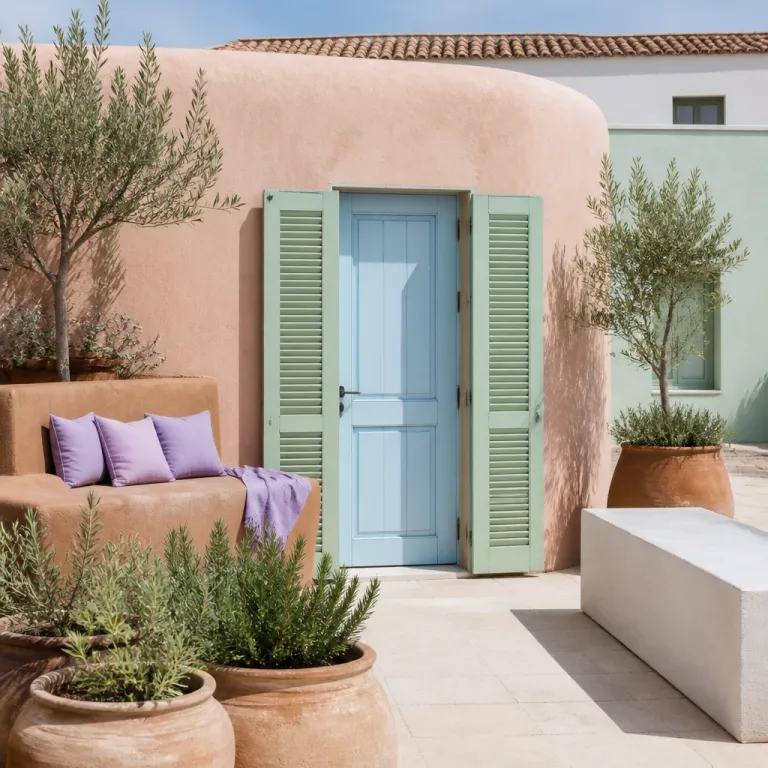
The rise of “Comporta beige” and the promise of design hotel Alentejo architecture
On the Alentejo coast, the dominant visual language has been what many quietly call “Comporta beige”. This design hotel Alentejo architecture template grew from simple fishermen’s casas near Comporta into a global shorthand for understated luxury in Portugal. Low whitewashed volumes, sandy timber decks and a pool that melts into the rice fields became the default image of coastal hotels in this region.
For travellers choosing a hotel in Alentejo today, that calm minimalism still has real strengths. The best hotels use restrained design to frame the view of nature rather than compete with it, so rooms feel like quiet pavilions between cork oaks and dunes. In Comporta and beyond, this approach to design hotel Alentejo architecture keeps the focus on light, wind and the slow rhythm that Lisbon executives come here to reclaim.
Look closely though and you will see how repetition has flattened some of that originality. Several hotels in Comporta now share near identical architecture, from the pale timber pergolas to the infinity swimming pool lined with beige loungers. When you read hotel descriptions that sound interchangeable, it is a sign that design has slipped from conviction into template, even as prices climb and offers promise ever more exclusive villas and rooms.
The most thoughtful hoteliers in Alentejo understand that the region is larger than one coastal aesthetic. They are asking how design hotel Alentejo architecture can express the red clay of the interior, the lioz stone of old manor houses and the deep green of vineyards near the Douro River. This is where the next generation of hotels in Portugal is quietly rewriting the script, from Comporta to Vila Nova de Milfontes and inland country house estates.
When you compare hotels Portugal wide, notice which properties still lean heavily on generic “beach chic” language. The more interesting hotels in the Alentejo region now talk instead about taipa walls, cork ceilings, a living room arranged around a traditional fireplace and an outdoor pool that follows the contours of the land. That shift in vocabulary signals a deeper shift in values, away from beige sameness and towards architecture rooted in place.
Clay, cork and lioz: the material grammar of Alentejo architecture
Alentejo architecture has always been about material honesty long before design hotels arrived. Traditional casas in the region use rammed earth, or taipa, thick whitewashed walls and small windows to keep rooms cool in fierce summers. When a hotel respects that grammar, design becomes a continuation of rural intelligence rather than a decorative layer.
Across the region, local artisans and Alentejo hoteliers are collaborating to bring clay, cork and lioz stone back to the centre of design. One verified explanation from recent research captures the shift clearly : “Hotels adopting vibrant colors and clay materials” and “To reflect local culture and attract tourists.” In practice, that means a country house hotel might pair a rough cork ceiling with polished lioz floors, or line an outdoor swimming terrace with handmade terracotta tiles instead of imported stone.
Properties such as São Lourenço do Barrocal, often shortened to São Lourenço by regulars, show how rigorous this can feel. Here, design hotel Alentejo architecture is expressed through agricultural buildings carefully restored, a swimming pool sunk into the old threshing circle and a living room that reads like a contemporary farm sala with stone, wood and linen. When you read about Lourenço Barrocal in design circles, it is usually as a benchmark for how hotels in Portugal can be both luxurious and structurally honest.
Further south, estates like Malhadinha Nova work with the landscape in a different way. This wine hotel uses white cubes and low villas scattered among vines, with each casa oriented for a specific view of rolling fields and the outdoor pool. The architecture is quiet, but the connection to the Malhadinha Nova wine company is explicit in cellar spaces, tasting rooms and terraces that open directly to the vineyards.
On the coast, Sublime Comporta has become the most referenced example of the original Comporta design language. Wooden cabanas on stilts, a long swimming pool framed by pines and rooms that blur into decks created a template many hotels tried to copy. Yet even here, new villas and the main country house are slowly incorporating richer tones and more layered interiors, a sign that the Comporta beige era is softening at the edges.
For travellers who care about architecture, one practical step is to read in depth before booking and to seek out projects where architects are named and interviewed. A useful starting point is this analysis of rural luxury architects in the region, which unpacks how contemporary designers are rewriting traditional forms in Alentejo : architects rewriting rural luxury in the Alentejo. Understanding that material vocabulary will help you choose hotels whose design is more than a marketing image.
From beige restraint to colour and contradiction: where new hotels sit on the spectrum
A decade of sand toned restraint has created the perfect backdrop for a new wave of expressive hotels. The most striking counterpoint is Vermelho Melides, Christian Louboutin’s exuberant property just south of Comporta in coastal Alentejo. Here, design hotel Alentejo architecture means saturated reds, patterned tiles, carved wood and a swimming pool that feels more like a theatrical stage than a discreet water feature.
Vermelho shows how colour and ornament can still feel deeply rooted in the region when handled with knowledge. The red of the façades echoes local clay, while interiors layer Portuguese tiles, antiques and custom pieces by local artisans, turning each living room and suite into a study in maximalist craft. For guests used to beige hotels in Portugal, the first impression can be almost shocking, yet the longer you stay the more the architecture feels like a natural extension of village casas painted in bold tones.
Not every new opening pushes this far towards exuberance. Quinta Amala, near the rice fields outside Comporta, uses wooden cabins raised above the landscape, with rooms wrapped in slatted timber and generous terraces facing the view. The design here sits mid spectrum between Comporta minimalism and Vermelho’s drama, with an outdoor pool and outdoor swimming decks that feel simple but carefully proportioned.
In urban contexts, projects such as Ando Living in Lisbon explore another facet of design hotel Alentejo architecture. While technically a serviced apartment concept rather than a rural hotel, its Arabic inspired arches, warm plaster walls and tiled courtyards echo the Moorish layers that also shaped Alentejo towns. For business travellers extending a Lisbon stay into the region, this creates a soft transition between city and country house experiences.
Across the region, at least ten new hotels are reported to be adopting this more authentic, material driven approach. Some lean towards the quiet end of the spectrum, with pale villas and a restrained pool, while others embrace colour, pattern and bolder prices that reflect their craft intensity. To understand how these architectural choices translate into guest experience, it is worth reading deeper analyses such as this guide to regional architectural highlights : architectural wonders in Alentejo.
When you compare offers across hotels Portugal wide, map each property on this spectrum from beige restraint to vivid contradiction. If you want a meditative retreat, a quieter design hotel Alentejo architecture with a simple outdoor pool and minimal décor may suit you best. If you crave stimulation, look for hotels where the architecture itself is a conversation piece, from Vermelho’s theatrical salons to more experimental villas scattered across the region.
How to read a hotel: proportion, light and the truth of materials
Choosing a hotel in Alentejo through an architectural lens means looking beyond styled photographs. Start with proportion, because the most successful design hotel Alentejo architecture uses low, horizontal lines that sit easily in the wheat fields and cork forests. A country house that looms over the landscape usually signals a concept imported from elsewhere in Portugal rather than something grown from the region.
Light is the second element to assess carefully when you read about rooms and shared spaces. In the best hotels, windows are placed to frame a specific view of nature, whether that is a line of cork oaks, a distant glimpse of the Douro River or the shimmer of rice paddies near Comporta. Inside, the living room should feel like a calibrated instrument for light, with deep reveals, shutters and sometimes even interior courtyards that cool the air.
Material provenance is where the difference between marketing and commitment becomes clearest. When a hotel describes itself as a design property in Alentejo but uses imported stone, generic tiles and synthetic decking around the pool, the architecture rarely feels anchored. By contrast, properties that work with local artisans on clay tiles, cork cladding and lioz details tend to age beautifully, their outdoor swimming terraces and villas gaining patina over time.
Wine focused properties offer another lens on authenticity. At Torre de Palma Wine Hotel, often shortened to Torre Palma by regular guests, the architecture weaves together a whitewashed manor, a chapel and contemporary wings that open onto vineyards and an outdoor pool. The connection to Palma Wine and the surrounding nature is not just thematic ; it is built into the way rooms, cellars and terraces align with the rows of vines.
Elsewhere, estates linked to a serious wine company, whether in Alentejo, the Azores wine regions or along the Douro River, often use architecture to choreograph tastings and walks. Paths lead from the main casa to the winery, from the swimming pool to a shaded pergola where you can read with a glass in hand, from the living room to a firepit overlooking the region’s rolling hills. These spatial sequences matter as much as finishes when you evaluate design hotel Alentejo architecture.
For travellers who want to go deeper into how design shapes service, a useful resource is this guide to elevated guest interactions on luxury booking platforms : elevating your stay through thoughtful hotel interactions. Reading properties through proportion, light and material truth will help you filter marketing language and choose hotels whose architecture genuinely supports the way you like to travel.
Planning your stay: matching architecture, service and setting across the region
Once you understand the spectrum from Comporta beige to colour and contradiction, planning a trip across Alentejo becomes a more intentional exercise. Start by deciding whether you want to anchor yourself on the coast near Comporta, in the wine country around Évora and Beja or in quieter corners near Vila Nova de Milfontes. Each sub region offers a different balance of design hotel Alentejo architecture, from dune hugging villas to hilltop country house estates.
Coastal travellers often pair a few nights near Sublime Comporta or similar hotels with time inland at a wine hotel such as Torre de Palma or Malhadinha Nova. This combination lets you experience both the original Comporta design language of timber decks and pine shaded pools and the more agricultural architecture of whitewashed casas among vines. When you read hotel descriptions, look for details about outdoor pool orientation, room layouts and whether the living room spaces are designed for quiet work as well as leisure.
Business leisure travellers flying into Lisbon have another set of decisions to make. Some choose to spend a night in a design forward hotel in the capital before driving south, using Lisbon as a soft landing and a place to adjust from meetings to slower days. Others head straight to Alentejo, preferring a country house with strong Wi Fi, generous desks in rooms and a calm view over nature where calls can be taken discreetly.
Prices in the region vary widely, especially among high end hotels Portugal wide that market themselves heavily to international guests. Properties with a strong architectural identity, limited rooms and extensive villas often command higher rates, but they also tend to age more gracefully and hold long term value in guest memories. When comparing offers, consider not only the nightly rate but also what the architecture enables you to do, from early swims in an outdoor swimming pool to late night tastings with a resident wine company.
For travellers who have already explored the main Alentejo region, there is also pleasure in tracing architectural threads to other Portuguese territories. Some wine hotels in the Azores wine regions and along the Douro River share a similar commitment to local stone, timber and proportion, even if the landscapes differ dramatically. Seeing how design hotels interpret different terrains across Portugal will sharpen your eye when you return to Alentejo.
Ultimately, the most rewarding stays come when architecture, service and landscape align with your own rhythms. Whether you choose a quiet casa near Comporta with a simple pool and pale interiors or a more expressive property where colour, clay and contradiction define every room, let design hotel Alentejo architecture be a deliberate part of your decision. The region now offers enough variety that you can match a hotel’s structure and soul to the way you actually like to live, work and rest.
FAQ
Why are Alentejo hotels changing their design language now ?
Many Alentejo hotels are moving away from the repetitive Comporta beige aesthetic to better reflect local culture and landscapes. Owners and architects are using more clay, cork and natural pigments, often in partnership with local artisans, to create properties that feel specific to the region. This shift also responds to travellers who are increasingly seeking hotels with a clear sense of place rather than generic luxury.
What materials should I look for in authentic Alentejo architecture ?
Authentic Alentejo architecture often features rammed earth (taipa), whitewashed walls, cork elements and lioz stone details. When you read about a hotel, check whether terraces, pools and living room floors use local stone or handmade tiles rather than imported materials. These choices usually indicate a deeper commitment to the region’s building traditions and climate.
How does a wine hotel in Alentejo differ from a standard luxury property ?
A wine hotel in Alentejo integrates vineyards, cellars and tasting spaces directly into its architecture and daily rhythm. Rooms and villas are often oriented towards the vines, with outdoor pools and terraces designed as extensions of the agricultural landscape. Properties such as Torre de Palma or Malhadinha Nova use architecture to connect guests with the work of their wine company, from harvest to glass.
Is Comporta still worth visiting if many hotels share a similar design ?
Comporta remains compelling because the landscape of rice fields, dunes and pine forests is inherently strong. While some hotels share a similar beige, timber heavy aesthetic, newer openings and renovations are introducing more colour, texture and architectural nuance. If you choose carefully, you can still find properties whose design hotel Alentejo architecture feels fresh while respecting the coastal setting.
How can I evaluate a hotel’s architecture before booking ?
Beyond photographs, read detailed descriptions and floor plans when available, paying attention to materials, window placement and how outdoor spaces relate to the landscape. Look for mentions of local artisans, specific stones or clays and the way pools and living rooms are oriented towards views. Reviews that discuss light, acoustics and seasonal comfort often reveal more about the architecture than generic praise of décor.