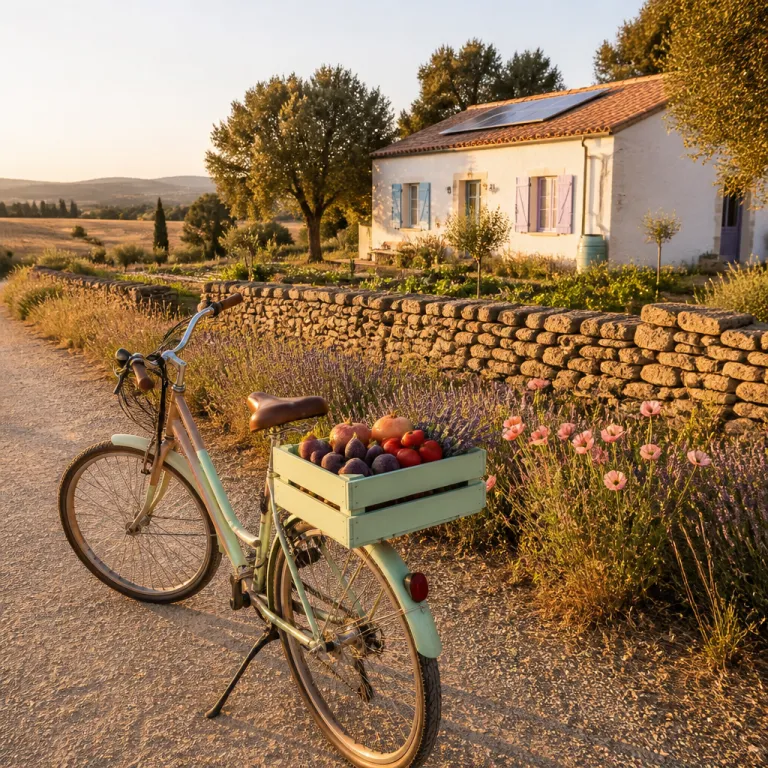
Section 1 – Why “travel Alentejo” now means travelling with intention
Travel Alentejo today and you step into a quieter Portugal where time stretches, not shrinks. This is the Alentejo region that Lisbon executives escape to, yet it rewards those who slow down, stay longer and choose hotels that respect the land. In this wide region of wheat fields, olive groves and cork forests, you will find that the most memorable stays are defined less by thread count and more by how lightly you tread.
Stretching from the Alentejo coast up to the granite ridges of São Mamede Natural Park, the region covers roughly a third of mainland Portugal yet feels under populated. When you explore Alentejo with intention, you start to see how each town, village and estate sits in a delicate balance between agriculture, heritage and hospitality. The best luxury hotels here now frame themselves as custodians of this balance, not just as places to sleep between wine tastings and castle visits.
Two million people visit Alentejo each year, a fraction of the numbers in the Algarve, and that relative quiet is part of its appeal. The Alentejo Regional Tourism Authority notes that the typical visitor is now a mid to high end traveller who stays two nights, spends around €133 per day and values experiences over amenities (see Alentejo Tourism Board annual statistics, 2023 visitor profile report). If you plan your Alentejo travel itinerary around low carbon routes, seasonal rhythms and carefully chosen estates, you help ensure that this region remains exactly the kind of place you came to find.
Section 2 – Getting in and around: low-carbon routes that still feel luxurious
Most international travellers start their travel Alentejo journey in Lisbon, and your first decision shapes the rest of the trip. Instead of driving straight from Lisbon to the south like a rushed Algarve transfer, consider the Intercidades train to Évora, which takes about 90 minutes and usually costs between €12 and €18 in second class. Services typically leave from Lisboa-Oriente or Entrecampos several times a day, and booking in advance on the national rail website or CP Intercidades timetable secures the best fares. This single choice cuts roughly 200 kilometres of motorway driving if you rent your car in Évora rather than in Lisbon, and it immediately shifts your pace from commute to journey.
From Évora, a compact town wrapped in medieval walls and crowned by a Roman temple, you can branch out by rail again towards Beja or pick up a hybrid rental for the last stretch to your chosen estate. Travellers who visit Alentejo for work and then extend into leisure often base themselves first in Évora to handle meetings, then move on to quieter towns such as Estremoz, Vila Viçosa or Monsaraz for the restorative part of the stay. This hub and spoke model keeps your driving distances short while still allowing you to find the best wine estates, olive oil mills and historic castles in the region. Typical transfers from Évora to nearby estates take 30 to 60 minutes by car, and many high end properties can arrange private drivers on request at the time of booking.
For those combining an Alentejo itinerary with coastal time, trains and buses link Lisbon to the Alentejo coast, where you can then follow the Rota Vicentina on foot between Porto Covo, Vila Nova de Milfontes and Zambujeira do Mar. Families used to timing their summer around Comporta should look at guidance on when to book coastal escapes for quieter windows, then apply the same logic further south along the Costa Vicentina. Once you are on the ground, cycling, walking and occasional public transport keep your footprint low while still feeling entirely compatible with a high service, high comfort trip.
Section 3 – Seasonal rhythms: when to visit Alentejo for value, space and meaning
Ask any serious hotelier in Alentejo Portugal and they will tell you that timing is everything. Spring and autumn offer pleasant weather and vibrant landscapes, which makes them the best seasons to visit Alentejo if you care about both comfort and crowd levels. In practice, that means softer light over the olive groves, easier conversations with local winemakers and more attentive service at luxury properties that are not running at peak capacity.
Spring in this region brings wildflowers under the cork oaks and cooler days on the Alentejo coast, ideal for walking sections of the Rota Vicentina between Porto Covo and Vila Nova de Milfontes. June often coincides with the cork harvest on larger estates, a rare chance to see how the bark is carefully stripped without harming the trees that cover around 30 % of Alentejo according to the regional tourism board (Turismo do Alentejo forest data, 2022 land use report). Autumn, by contrast, is defined by the grape harvest in wine towns such as Estremoz and by olive picking and pressing in November, when the first green olive oil of the season appears on hotel breakfast tables.
Summer still has its place in any travel Alentejo plan, especially if you want warm evenings in whitewashed towns like Monsaraz or beach days near Zambujeira do Mar, but you will find higher rates and fuller properties. Winter can be quietly rewarding, with mild and wet days that suit long lunches in Évora or Castelo de Vide and nights spent stargazing under the Alqueva Dark Sky Reserve, where after dark walks and moonlit lake views feel almost private. Aligning your Alentejo travel dates with these seasonal rhythms turns a simple hotel booking into a more grounded, more sustainable way of experiencing the region.
Section 4 – The estates doing it right: from regenerative farms to solar powered stays
The most interesting luxury properties in Alentejo Portugal now behave more like working estates than static resorts. At São Lourenço do Barrocal near Monsaraz, regenerative agriculture underpins everything from the vineyards to the kitchen garden, and guests are invited to walk the land rather than just the spa corridor (see São Lourenço do Barrocal sustainability and organic farm pages). Herdade do Esporão, closer to Reguengos de Monsaraz, pairs serious wine credentials with a Michelin Green Star restaurant that foregrounds local produce, seasonal menus and low waste techniques, as outlined in Esporão’s sustainability report.
Smaller players are just as committed to this new standard, and they matter for anyone planning to travel Alentejo with a lighter footprint. Castelo Ventoso operates as a luxury historic rental house where heritage conservation and careful water use sit alongside high touch service, while Herdade de Alagães positions itself explicitly around sustainable tourism and nature conservation in its environmental charter. A Quinta da Lage and Gandum Village both work as regenerative farms, inviting guests into a slower rhythm of farm to table dining, native planting and hands on experiences that explain why this region’s olive groves and cork forests are so resilient.
For travellers who want something more off grid, Herdade De'Vil offers rustic glamping that still feels premium, with an emphasis on solar power, minimal infrastructure and dark sky nights that rival any five star rooftop bar in Lisbon. Across these estates you will find rainwater harvesting, grey water recycling and drought resistant landscaping replacing imported lawns and oversized pools that make little sense in a dry region. When you plan an Alentejo trip with this kind of property short list, you are effectively voting for the version of the region you want to see thrive over the next decade. Check each estate’s official website or preferred booking platform for current availability, minimum stay requirements and transfer options before you finalise dates.
Section 5 – Mapping the region: where to stay from Évora to the Alentejo coast
Planning a travel Alentejo itinerary starts with understanding how the region breaks into distinct zones, each with its own hotel personality. The central plateau around Évora, Estremoz and Vila Viçosa is where you will find walled towns, marble palaces and some of the best wine estates, making it ideal for first timers who want a mix of culture and countryside. Évora itself, with its Roman temple, cathedral and compact historic centre, works well for short business stays that extend into leisure weekends.
North east, the hills of São Mamede Natural Park shelter towns such as Castelo de Vide and Marvão, where stone houses cling to ridges and the air feels cooler in summer. Here, smaller historic hotels and converted farmhouses offer access to hiking trails, chestnut groves and views that stretch into Spain, and the mood is more contemplative than coastal. South and west, the Alentejo coast and the Costa Vicentina form a different chapter of Alentejo travel, defined by wild beaches, fishing villages and low key surf culture rather than castles and marble.
Between Porto Covo, Vila Nova de Milfontes and Zambujeira do Mar, you will find a string of sandy beaches backed by cliffs and dunes, many of them protected within the natural park system. Luxury here is less about chandeliers and more about waking up within walking distance of the sea, eating grilled fish in a local village and then returning to a hotel that manages its water and energy with care. If you are combining this with other Portuguese journeys, consider pairing an inland Alentejo stay with a few days in the Azores using a curated guide to Atlantic facing luxury hotels, then returning to Lisbon by train rather than by domestic flight.
Section 6 – Culture, heritage and the quiet luxury of context
What sets travel Alentejo apart from a generic sun holiday in Portugal is the density of history layered into its towns and landscapes. In Évora, you walk from a Roman temple to medieval cloisters in minutes, then sit down to lunch built around bread soup, local wine and new season olive oil from nearby estates. Further east, towns such as Estremoz and Vila Viçosa reveal marble lined squares, ducal palaces and hilltop castles that speak to centuries of borderland wealth and conflict.
Smaller places reward unhurried visits, especially if you have chosen a hotel that can arrange context rather than just transport. Monsaraz, perched above the Alqueva reservoir, feels almost theatrical at sunset, while Castelo de Vide offers a gentler rhythm of fountains, gardens and narrow streets that invite aimless wandering. South towards Alcácer do Sal, the Sado river valley introduces rice fields and a different agricultural pattern, reminding you that the Alentejo region is not a single postcard but a mosaic of working landscapes.
Across this mosaic, you will find that the most satisfying luxury is often the least showy: a tasting of amphora aged wine in a whitewashed village, a walk through olive groves at dusk, or a quiet hour among Roman ruins that you share with only a handful of other visitors. Government investment of around €11 million in inland tourism infrastructure is now flowing into nature, gastronomy, wellness and cultural projects across Alentejo and Ribatejo (Turismo de Portugal programme data, 2022–2025 funding announcements), which should make it even easier to align high end stays with low impact experiences. When you travel Alentejo with intention, each hotel booking becomes part of a wider story about how this region chooses to welcome the world.
Key figures for intentional travel in the Alentejo
- Approximately 30 % of the Alentejo is covered by cork forests, according to the regional tourism board, making it one of Europe’s most important cork producing landscapes and a major carbon sink (Turismo do Alentejo forest and land use reports, 2022 edition).
- Around 2 000 000 people visit Alentejo each year, far fewer than the Algarve, which helps explain why many towns and beaches still feel uncrowded even in high season (Alentejo Regional Tourism Authority visitor statistics, 2019–2023 series).
- Typical visitors now stay about two nights and spend roughly €133 per day, based on Alentejo Regional Tourism Authority data, indicating a shift towards mid to high end travellers who prioritise experiences over volume tourism (Alentejo Tourism Board, latest visitor expenditure report).
- Portugal has committed around €11 million to inland tourism infrastructure in regions including Alentejo and Ribatejo, targeting nature, gastronomy, wellness and cultural projects that support more sustainable forms of growth (Turismo de Portugal investment announcements under the inland tourism programme).
- Regional initiatives highlight a rise in eco tourism, increased use of electric bikes and steady growth in farm to table dining, all of which align closely with low carbon Alentejo itineraries (European Travel Commission and Turismo de Portugal sustainability briefs).
Frequently asked questions about travelling the Alentejo with intention
What is the best time to visit Alentejo for a luxury yet low impact stay ?
Spring and autumn are the best times to visit Alentejo if you want pleasant temperatures, softer light and fewer crowds at high end properties. These seasons also coincide with key agricultural moments such as the cork harvest, grape harvest and early olive oil pressing, which many estates now integrate into guest experiences. Rates are often more favourable than in July and August, and service tends to feel more personal when hotels are not at full capacity.
Are there eco friendly luxury accommodations in the Alentejo region ?
Yes, there are several estates in Alentejo Portugal that combine high service standards with serious sustainability credentials. São Lourenço do Barrocal, Herdade do Esporão, Castelo Ventoso, Herdade de Alagães, A Quinta da Lage, Gandum Village and Herdade De'Vil all foreground regenerative agriculture, water conservation or renewable energy in different ways, as outlined on their sustainability or environmental responsibility pages. Choosing these properties when you travel Alentejo helps support a model of tourism that protects the landscapes and communities you came to enjoy.
How can I reduce my carbon footprint when I travel Alentejo from Lisbon ?
The simplest step is to take the Intercidades train from Lisbon to Évora, then rent a car locally or rely on transfers for the final stretch to your estate. Once in the region, you can keep driving distances short by focusing on one or two clusters, such as Évora and Estremoz or the Costa Vicentina between Porto Covo and Vila Nova de Milfontes. Walking sections of the Rota Vicentina, using electric bikes where available and choosing hotels that invest in solar power and water saving systems all contribute to a lower footprint.
Is it realistic to explore the Alentejo without renting a car ?
It is possible, but it requires more planning and a willingness to slow down. Trains and buses connect Lisbon with Évora, Beja and some coastal towns, and from there you can rely on hotel transfers, taxis and guided excursions arranged by your accommodation. For business leisure travellers who need flexibility, a hybrid rental picked up in Évora often strikes the best balance between autonomy and reduced motorway driving.
What practical steps should I take to travel more sustainably in Alentejo ?
Regional guidance emphasises simple habits that add up over the course of a trip. Pack light, use reusable water bottles and respect local customs, especially around water use in a dry region where every litre counts. Opt for cycling, walking or public transport whenever feasible to reduce your carbon footprint, and favour restaurants and hotels that clearly support local producers and seasonal menus.
Trustful expert sources for further reading : Alentejo Tourism Board, Turismo de Portugal, European Travel Commission.