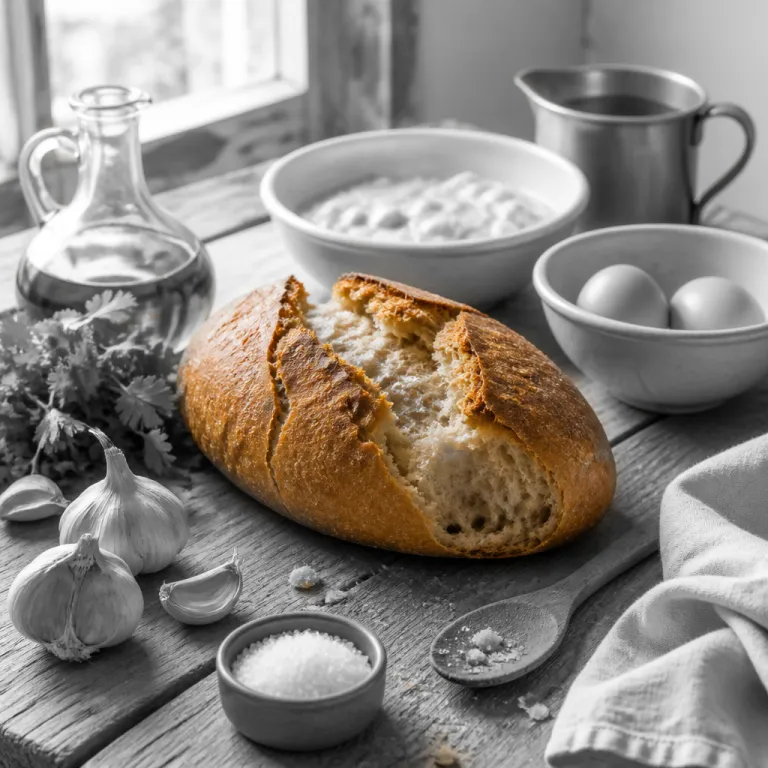
Açorda as alentejo distilled: what is in the bowl
Açorda is where the Alentejo becomes edible, a landscape translated into bread, garlic and olive oil. In its purest alentejo açorda traditional food form, this soup is nothing more and nothing less than stale bread softened with hot water perfumed by garlic, cilantro and very good olive oil, then crowned with a poached egg. That simplicity is deceptive, because every farmhouse, every estate kitchen and every chef in the alentejo region bends the same elements into a different dish, turning humble bread soup into a quiet act of authorship.
Locals will tell you without hesitation that “Açorda is a traditional Portuguese bread soup from Alentejo.” The classic acorda alentejana, sometimes written as açorda alentejana, is the reference point, a sopa built on coriander garlic or cilantro garlic pounded in a mortar, flooded with boiling water and finished with slices of day old bread that drink in the broth like the plains drink winter rain. When you travel through alentejo Portugal and sit down in a small village restaurant, this is the alentejo food that arrives first, a statement that you have left the world of generic Portuguese cuisine and entered a region with its own culinary grammar.
From Évora to the Guadiana, the same core ingredients repeat, but the alentejo style shifts subtly with each cook. Some kitchens lean into garlic cilantro intensity, others soften the soup with more olive oil, while a few add grilled fish or seasonal vegetables without ever abandoning the traditional alentejo backbone of bread, oil and herbs. For luxury travelers choosing a hotel in this region, understanding this one bread soup is the key to understanding alentejo gastronomy itself.
From peasant fields to Michelin stars in Évora
The story of alentejo açorda traditional food begins in the wheat fields, not in the dining room. Alentejo farmers created acorda as a way to turn stale bread into sustaining food, combining it with local herbs, garlic and a thread of olive oil to make a sopa that could carry them through long days in the sun. Over centuries this practical bread soup absorbed influences from Arab style bread based soups and from the evolving alentejo cuisine, slowly moving from fieldside necessity to restaurant worthy dish.
Historical records show that Arab bread soups shaped the broader Portuguese cuisine between the eighth and thirteenth centuries, and açorda appears in literature from the sixteenth century as a recognizable alentejana preparation. That long arc explains why “How is áçorda prepared? Açorda is made with stale bread, garlic, cilantro, olive oil, and poached eggs.” Today, Portuguese chefs across the alentejo region act as innovators, using both traditional recipes and modern culinary techniques to elevate acorda into a tasting menu centerpiece while still honoring its status as emblematic alentejo food.
Nowhere is this evolution clearer than at A Cozinha do Paço on an Évora estate, where a Michelin starred and Green Star kitchen treats acorda alentejana as a canvas for sustainable luxury. When you read a detailed report such as why this Évora estate matters more than the Lisbon names, you see how a simple alentejo soup can anchor a serious culinary philosophy. Booking a room here is not only about the vineyard views around Évora in Portugal, it is about tasting a region’s history in a bowl that connects farmhouse pragmatism with white tablecloth precision.
Estate kitchens where açorda is worth the room rate
Luxury in the alentejo region rarely announces itself with chandeliers; it arrives as a steaming bowl of alentejo açorda traditional food placed in front of you by someone who knows the wheat field where the bread began. At São Lourenço do Barrocal, the estate’s kitchen team treats acorda as a living link between guests and local farmers, using stale bread from the on site bakery, garlic from neighboring plots and their own olive oil to create a bread soup that tastes unmistakably of this land. You sit under cork beams, break the surface of the sopa with your spoon and understand why this quiet corner of alentejo Portugal has become a pilgrimage site for travelers who care as much about cuisine as about design.
Further south, Herdade da Malhadinha Nova in the wider alentejo region folds acorda alentejana into a broader alentejo gastronomy program that includes lamb stew, or ensopado de borrego, and even cacao dogfish, known locally as sopa de cação, a cousin to sopa cação that shares the same bread garlic logic. Here the chef might serve a more elaborate alentejana version with poached fish or seasonal vegetables, but the backbone remains stale bread, garlic cilantro and fragrant olive oil. For guests, the pleasure lies in tasting how a traditional dish can sit comfortably beside polished service, serious wine lists and contemporary architecture without losing its local soul.
If you prefer smaller montes and intimate hospitality, properties like Sobreiras Alentejo Country Hotel near Santa Margarida da Serra offer a different angle on alentejo cuisine. The housekeeper’s acorda, often mentioned in insider guides such as this experience of Sobreiras Alentejo Country Hotel, might arrive in a simple clay bowl, enriched with extra olive oil and a generous handful of cilantro garlic. In these settings, the alentejo style of service is relaxed but precise, and the bread soup becomes the quiet luxury that justifies the journey.
Variations in the bowl: from açorda alentejana to seafood and migas
Once you understand the classic acorda alentejana, you start to notice its cousins appearing across menus in Évora and beyond. Some restaurants in alentejo Portugal serve açorda de bacalhau, folding flakes of salt cod into the bread soup so that the dish bridges inland alentejo food traditions with the Atlantic heritage of Portuguese cuisine. Along the coast and in Lisbon influenced kitchens, açorda de marisco brings shellfish into the sopa, a move that delights some travelers and horrifies purists who insist that the true alentejo açorda traditional food should remain anchored in the fields, not the sea.
Then there is migas, the fried breadcrumb preparation that many locals treat as açorda’s robust cousin rather than a separate dish. Built again on stale bread and plenty of olive oil, migas often appears beside grilled porco preto or lamb stew, its texture crisp at the edges and soft within, echoing the same bread garlic and garlic cilantro flavors as the soup but with a different attitude. In spring, when wild asparagus shoots through the red earth of the alentejo region, migas de espargos turns this humble base into a seasonal delicacy that luxury hotels quietly highlight on their menus for guests who care about local cuisine.
For travelers who enjoy contrasting experiences, it can be instructive to pair a serious acorda dinner in Évora with a more urban tasting in Lisbon, perhaps after reading an elegant guide to the minibar such as the minibar experience for discerning Alentejo travelers. You taste how the same alentejana idea of bread soup shifts when it leaves the alentejo region and enters a different culinary ecosystem. That comparison only reinforces how deeply the traditional alentejo version is rooted in local fields, olive groves and the quiet pace of rural life.
How to taste açorda on a luxury stay in the Alentejo
Planning a high end stay in alentejo Portugal means planning your meals with the same care as your room category. When you evaluate properties, look beyond spa menus and infinity pools to see how seriously they treat alentejo açorda traditional food, alentejo cuisine and related dishes like ensopado de borrego or sopa de cação made with cacao dogfish. A hotel that works closely with local farmers for its bread, olive oil and herbs is far more likely to serve an acorda alentejana that reflects genuine alentejo gastronomy rather than a generic Portuguese soup.
Ask specific questions before you book, because the answers reveal a property’s culinary priorities. Do they bake their own bread or source it from a village oven, allowing it to become stale bread naturally before turning it into bread soup ? Do they pound coriander garlic or cilantro garlic by hand in a mortar, or rely on shortcuts that flatten the flavors which should define this traditional alentejo dish ? The more precise the response, the more confident you can be that the kitchen understands both the history and the technique behind acorda.
Once you arrive, treat each bowl of sopa as a tasting note in your personal map of the alentejo region. Compare how Évora restaurants handle garlic intensity versus how remote estates balance olive oil richness with herb freshness, and notice where the bread garlic base feels rustic or refined. Between meals, consider joining culinary workshops or local food festivals that focus on alentejo food, where you can watch Portuguese chefs explain why “What are common variations of áçorda? Variations include adding seafood like shrimp or codfish.” That kind of context deepens every subsequent spoonful.
FAQ
What is the difference between açorda alentejana and other Portuguese bread soups ?
Açorda alentejana is a specific alentejo style bread soup built on hot water poured over stale bread, crushed garlic, cilantro and generous olive oil, usually finished with a poached egg. Other Portuguese cuisine bread soups might use different herbs, broths or meats, but this version from the alentejo region is lighter and more herbal. It reflects traditional alentejo farming life, where simple ingredients had to stretch into a full meal.
Where should I stay in the Alentejo to taste excellent açorda ?
Travelers focused on alentejo açorda traditional food should look for estates and rural hotels around Évora and the wider alentejo Portugal countryside that emphasize local cuisine. Properties such as São Lourenço do Barrocal, Herdade da Malhadinha Nova and smaller montes near Monsaraz or Mértola often serve acorda alentejana made with bread from village ovens and their own olive oil. When booking, ask directly about their approach to alentejo gastronomy and whether açorda appears regularly on the menu.
Is açorda always made with cilantro, or can it be prepared differently ?
Classic acorda alentejana relies on cilantro garlic or coriander garlic for its distinctive aroma, and most cooks in the alentejo region consider this non negotiable. Some restaurants outside the region adapt the soup with parsley or other herbs for guests who dislike cilantro, but that shifts the flavor away from traditional alentejo practice. If you want the authentic version, request the standard cilantro based preparation when you order.
How does açorda fit into a luxury dining experience in the Alentejo ?
In high end hotels and estates, açorda often appears as a refined first course or as part of a tasting menu that also includes dishes like lamb stew and sopa de cação made with cacao dogfish. Chefs use top quality olive oil, carefully selected stale bread and precise seasoning to elevate this humble bread soup without losing its roots in alentejo food culture. For many travelers, that balance between simplicity and technique is what makes the dish feel luxurious.
Can I learn to cook açorda during my stay in the Alentejo ?
Many properties in alentejo Portugal now offer culinary workshops where guests can prepare acorda under the guidance of local cooks or Portuguese chefs. These sessions usually cover the importance of bread quality, the timing of adding hot water to the sopa and the correct way to emulsify olive oil with garlic cilantro. Participating in such a class turns a single meal into a deeper understanding of alentejo cuisine that you can take home.