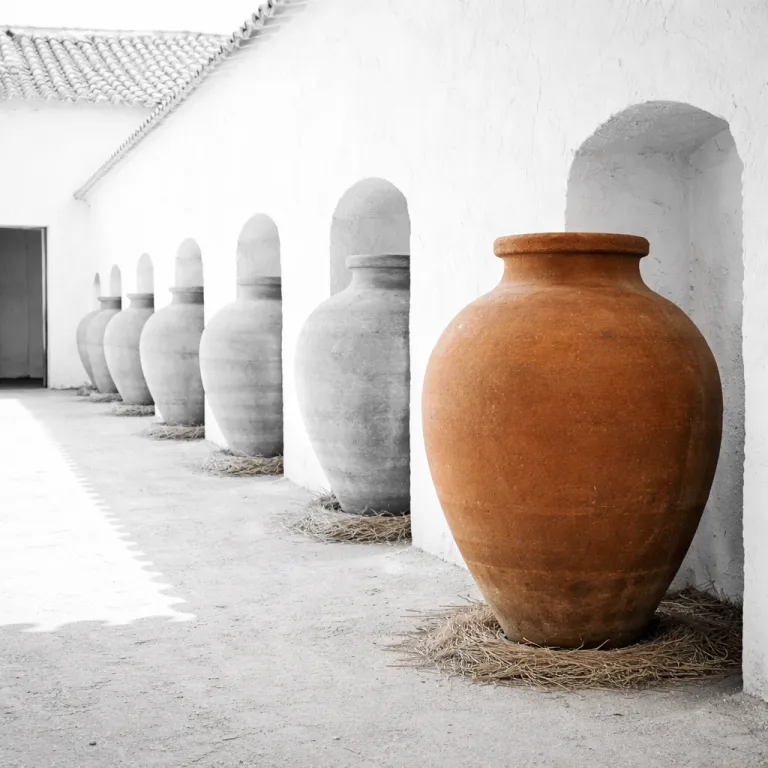
Vinho de talha tasting in Alentejo for luxury hotel guests
Vinho de talha tasting in Alentejo is not just another wine experience. It is a ritual that shapes how the Alentejo region eats, drinks and measures the passing hours, and it can define your entire stay in a luxury property. When you plan a high end hotel booking around these tastings, the clay, the red earth and the fruit in your glass suddenly connect.
Vinho de talha means wine fermented in a clay amphora, and “What is Vinho de Talha?” is answered simply as “Wine fermented in large clay vessels, a method introduced by Romans over 2,000 years ago.” In practice, each talha is a towering amphora wine vessel, often 1,5 to 2 metres high, lined with resin and sealed with wax that is broken only when the wine is ready. The best hotels in the Alentejo region now build entire wine experiences around that moment, pairing tastings with local food, olive oil and quiet, shaded courtyards.
For a solo explorer using a luxury and premium hotel booking website in Alentejo, the key is timing. Plan your visit wine schedule so that you reach the winery minutes before the talha opening, not after the tour buses leave. Then let the concierge align your wine tastings with slow lunches, late checkouts and spa hours, so the experience breathes instead of being squeezed between back to back tours.
Inside the talha: clay, wax and the ancient Alentejo method
Step into a traditional winery in the Alentejo wine region and the first thing you notice is height. Clay talhas rise like ochre columns, some holding several hundred litres of alentejo wine, each one a self contained fermentation world. The wax seal on top is not decoration ; it locks in the wine, the skins and the air until the winemaker decides the tasting moment has come.
During a focused vinho de talha tasting in Alentejo, ask to stand beside an open talha while the wine is drawn. A tap near the base releases a cloudy stream into your glass, often a pale red or amber tone, with aromas of wild fruit, herbs and sometimes a faint clay note. This is amphora wine made without pumps or heavy filtration, and many small producers in the Alentejo region still rely on gravity, patience and inherited gestures rather than stainless steel.
The method is Roman in origin, but the way it is kept alive today is very local. In villages like Vila de Frades and Vila Alva, families such as Gerações da Talha treat each talha wine as a separate personality, deciding which will become a structured red and which will be a lighter, food friendly vinho talha for the village tasca. When you book a high end stay through a curated gastronomic journeys guide, you are not just reserving a room ; you are buying access to these quiet, clay lined experiences that most casual visitors never see.
Gastronomic journeys in Alentejo hotels often include private cellar access, so use that leverage to ask detailed questions about talha dimensions, wax composition and how long the wines rest on skins.
Where to taste: from Vila de Frades cellars to luxury hotel tables
The heartland of vinho de talha tasting in Alentejo lies south of Évora, in the Vidigueira area and the small town of Vila de Frades. Here, Gerações da Talha and other producers keep clay vessels in whitewashed cellars, and a short visit can be folded into a wider tour of the Alentejo region. Expect winery tours that last around ninety minutes, including a walk among talhas, a guided wine tasting and time for questions.
From a luxury hotel perspective, the most efficient strategy is to base yourself within an hour’s drive of these villages. Many high end properties offer transfers or can arrange private tours that link a visit wine appointment at XXVI Talhas or Adega do Chato with a late lunch in a local tasca. Ask your concierge to secure tastings that feature both white varieties like Antão Vaz and structured reds based on Alicante Bouschet, so you can compare how different grapes behave in clay.
Before you even reach the Alentejo, you can set the tone with an elegant breakfast in Lisbon, then head inland once the city thins out. Use a specialist guide to plan breakfast in Lisbon before your Alentejo escape, and then let the day unfold towards wine. By the time you arrive at Vila de Frades, the shift from urban pastry counters to talha lined cellars feels like a deliberate, almost ceremonial transition.
How to book a talha ceremony through a luxury hotel
Most wineries that still work with talha do not shout about it on glossy brochures. When you use a luxury and premium hotel booking website in Alentejo, look for properties whose concierges speak directly with small producers and can secure a private vinho de talha tasting in Alentejo on request. The key phrase to use in your email is simple ; ask whether the hotel can arrange a traditional talha opening with a winemaker present, not just a standard wine tasting.
Lead times matter, especially in the peak harvest and opening seasons when wines are first drawn from clay. Aim to contact your hotel at least two weeks before your visit, specifying how many hours you want to dedicate to the experience and whether you prefer a short tour or a deeper immersion with multiple tastings. Clarify language preferences as well, since some small producers in the Alentejo region are more comfortable in Portuguese, and a good translator can make the difference between a polite visit and a truly rich exchange.
Costs vary, but a full talha ceremony with guided tastings usually sits above the price of a regular cellar tour. You are paying for limited wines, time with the winemaker and often a spread of local food such as bread, cheeses, cured meats and olive oil from nearby groves. When you confirm the booking, ask the hotel to share the winery’s privacy policy if you are concerned about photos or social media, since some families prefer that the ceremony remains intimate and offline.
Pairing talha wine with Alentejo food, landscapes and hotel life
The most memorable vinho de talha tasting in Alentejo rarely ends at the cellar door. It continues at the table, where amphora wine meets dishes like migas, lamb stews and tomato bread soups that seem built for clay aged reds and textured whites. A thoughtful hotel will weave these wines into its menus, so that your evening glass of alentejo wine echoes the afternoon’s visit.
Look for properties that highlight Portugal wine culture in a grounded way, listing specific producers from Vila de Frades or Vidigueira rather than generic “wine Alentejo” references. Ask whether the chef works with small producers for both wines and olive oil, and whether they can stage a pairing dinner that features Antão Vaz, Alicante Bouschet and at least one talha wine by the jug. Some hotels will even arrange informal tastings in the garden, turning sunset hours into relaxed wine experiences that feel more like a village festa than a formal event.
To deepen the sense of place, combine your cellar tour with time in the surrounding countryside, where cork oaks and wheat fields frame the wine region. A curated 4x4 outing such as a day inside the Alentejo cork oak forest pairs beautifully with a later visit Alentejo wine session, because you see the raw materials that shape both barrels and talhas. By the time you return to your room, glass in hand and clay still on your shoes, the line between hotel luxury and rural tradition has quietly dissolved.
Vinho de talha essentials for solo explorers booking luxury stays
For a solo traveler, the appeal of vinho de talha tasting in Alentejo lies in intimacy. You are not lost in a crowd ; you are standing a few minutes from the winemaker, watching them break wax and draw wine from a vessel their grandparents used. To make the most of that experience, choose hotels that understand the rhythm of the region rather than imposing a rushed, urban schedule.
When browsing a luxury and premium hotel booking website in Alentejo, filter for properties that mention wine tastings, winery partnerships or dedicated wine experiences in their descriptions. Cross check whether they collaborate with names like Gerações da Talha, XXVI Talhas or Adega do Chato, since these producers are deeply involved in preserving traditional methods. Remember that “Where can I taste Vinho de Talha?” is answered as “In Alentejo, Portugal, at wineries like XXVI Talhas and Gerações da Talha.”
Finally, build space into your itinerary for unhurried meals and spontaneous tours. Leave open hours between a morning visit wine appointment and an evening wine tasting, so you can linger over a jug of talha wine in a tasca or walk through the quiet streets of Vila de Frades. That slack in the schedule is where the region’s character seeps in, turning a simple tour into a layered experience that stays with you long after the last glass is drained.
FAQ about vinho de talha and Alentejo luxury stays
What is Vinho de Talha in practical terms for visitors ?
Vinho de talha is wine fermented and aged in large clay amphorae called talhas, often sealed with wax and opened only when the wine is ready to drink. For visitors, it means tastings that focus on texture, purity of fruit and a strong sense of place, usually in small, traditional cellars. These wines are produced in limited quantities, so each visit feels like access to something genuinely rare.
Where can I taste Vinho de Talha during an Alentejo trip ?
The core area for vinho de talha tasting in Alentejo is around Vidigueira and Vila de Frades, where families like Gerações da Talha maintain historic cellars. Wineries such as XXVI Talhas and Adega do Chato offer guided tours and tastings that explain the method in detail. Many luxury hotels in the wider Alentejo region can arrange transfers and appointments as part of a tailored wine itinerary.
How long does a typical talha wine tasting visit take ?
A focused visit usually lasts between one and two hours, including a cellar tour, an explanation of the talha method and a seated tasting of several wines. If you add a meal or extended conversation with the winemaker, plan for half a day to avoid rushing. Solo travelers often appreciate this slower pace, as it allows time to absorb both the technical details and the atmosphere.
Is Vinho de Talha available outside Portugal ?
Vinho de talha has very limited distribution beyond Portugal, because production volumes are small and many wines are consumed locally. Some specialist importers in major cities may carry a few labels, but the broadest range is found only in the Alentejo region itself. This scarcity is one of the strongest arguments for planning a dedicated visit Alentejo wine trip if you are serious about amphora wine.
How should I pair talha wines with Alentejo food in my hotel ?
Clay aged whites based on Antão Vaz work well with grilled fish, fresh cheeses and dishes featuring local olive oil, while structured reds with Alicante Bouschet suit lamb, pork and hearty bread based stews. Ask your hotel sommelier to suggest specific talha wine pairings from nearby producers, ideally served by the jug or carafe to echo traditional tascas. A good property will happily build a tasting menu that showcases both the wines and the region’s rustic, generous cuisine.