Design hotels in the Alentejo: where architecture frames the silence
Rural luxury in the Alentejo is being redrawn by architects who treat every hotel as a landscape project first. Instead of resort theatrics, these design hotels in the Alentejo use careful spatial planning to choreograph light, wind and the long horizontal view across wheat fields and cork oak. The result is a new language of hotels where the architecture, the pool and even the bread on the table feel inseparable from the land.
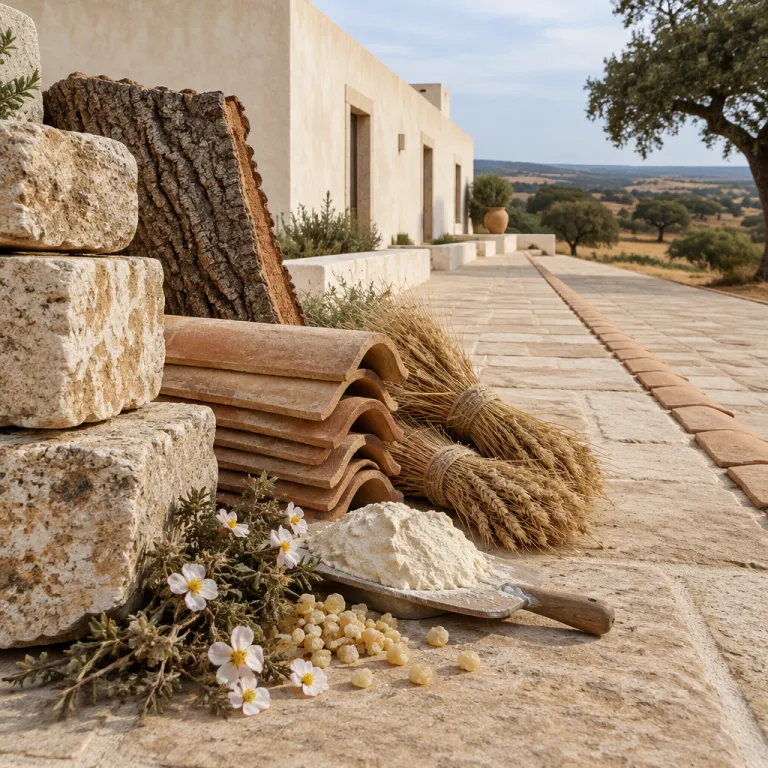
Across this part of Portugal, from Melides to Évora and up towards a quieter Comporta, the most interesting hotels are small in room count but large in intent. They work with rammed earth, cork and lioz stone, and they lean into future architecture ideas that prioritise thermal comfort, low energy use and a close relationship with the soil. When you book a hotel Alentejo stay through a curated platform, you are increasingly choosing between different philosophies of design rather than just comparing prices and pools.
This shift is especially clear when you contrast architect led projects with larger hotels near Lisbon or resort style properties such as Sublime Comporta. The big names offer multiple restaurants, large swimming pool complexes and a wide spread of villas, while the new design hotels focus on a handful of rooms, a single pool and a restaurant that cooks what the surrounding country house gardens and nearby wine estates provide. For couples planning a trip to Alentejo Portugal, the decision is no longer simply about a sea view hotel versus a country hotel; it is about which architecture best matches the way you want to feel.
Rock Rose, Melides: rammed earth minimalism as a healing amenity
Rock Rose sits on 10 hectares outside Melides, a low slung casa designed by Manuel Aires Mateus where the walls are literally made from the surrounding earth. This is not a hotel in the conventional sense, but a five suite retreat where the architecture, the saltwater pool carved from lioz stone and the Roman bath room are the primary amenities. You come here to read, to swim slowly and to let the Alentejo country silence do its work; as one recent guest wrote in a public review, “we arrived tense and left as if someone had turned the volume of life down by half.”
The design is rigorous yet soft, with rammed earth and Venetian stucco holding the heat by day and releasing it at night, a quiet example of future architecture rooted in old techniques. According to the International Council on Monuments and Sites (ICOMOS), rammed earth construction uses compacted subsoil to form dense, durable walls with high thermal mass, a description that fits Rock Rose precisely. The way the rooms open to the landscape, each framing a different view of cork trees or sky, makes Rock Rose feel more like a country house than a conventional hotel, even though it can be booked like other luxury hotels through specialist platforms.
For travellers comparing hotel offers in this part of Portugal, Rock Rose will not compete on long lists of services or low prices. Instead, it offers a distilled experience where the swimming pool, the minimal interiors and the surrounding land form a single piece of spatial design. If you are used to the layered comforts of hotels near Lisbon or the polished service of a wine hotel in Évora, this property asks a different question: how little do you need if the design is exact, the view is open and the nearest restaurant is chosen for its bread and local wine rather than its Instagram reach? For more on how such properties reshape expectations, see these architectural wonders in Alentejo luxury stays on our dedicated insights page at our architecture focused guide.
Pa.te.os and Quinta Amala: architect designed villas and rice field retreats
Also in Melides, Pa.te.os extends Manuel Aires Mateus’s language into four sculpted villas arranged around a shared infinity pool and a series of sheltered courtyards. Each house feels like a self contained country hotel, with generous rooms, a private terrace and a view that edits the Alentejo Portugal landscape into a calm, almost abstract composition. Guests can book one villa or all four, turning the ensemble into a discreet country house compound for a group of friends or a couple travelling with extended family.
The architecture here is about thresholds; moving from bright sun to deep shade, from the cool of the swimming pool to the warm stone of the terrace, from the privacy of your casa to the social spaces where a chef can serve local wine and seasonal food. Prices reflect the design pedigree and the low key service model, but the value lies in how the buildings support slow days rather than in a long list of hotel offers. For couples used to larger hotels in Comporta or a design hotel near Lisbon, Pa.te.os feels like a deliberate step towards a more private, design driven way of staying.
Further north near Comporta, Quinta Amala takes a different approach to design hotels in the Alentejo, using cabins built from natural materials and terraces that float over rice fields. Here the focus is on yoga, organic wines under the night sky and a swimming pool that feels like an irrigation tank repurposed for pleasure, a subtle nod to the region’s agricultural past. A member of the team describes it simply in their own materials: “we wanted guests to hear frogs and wind in the rice before they hear anything from the road.” If you want to understand how to read a thoughtful conversion or a new build in the Alentejo country, our guide on how to recognise a thoughtful monte at reading the Alentejo monte will help you decode the architecture before you book.
Gandum Village and the rise of community led rural hospitality
Gandum Village, founded by Martina Wiedemar and João Almeida according to the project’s own presentation, shifts the conversation from hotel led to community led development on 14 hectares of Alentejo country. The first phase includes three accommodation units, a restaurant, a Food Lab, coworking spaces and a large pool, with more rooms and villas planned as the project grows. Instead of a single country house or wine hotel, you get a small village where architecture, agriculture and hospitality share the same ground.
The design language is less monastic than at Rock Rose or Pa.te.os, but the underlying approach is just as clear; buildings are low, materials are honest and the layout encourages guests to move between private rooms and shared spaces. This is where future architecture in rural Portugal starts to look like a social project, with agroforestry practices, solar energy systems and local artisans all woven into the daily life of the property. For couples, the experience feels more like staying in a lived in village than in isolated hotels, with the restaurant, pool and Food Lab creating natural meeting points.
From a booking perspective, Gandum Village sits somewhere between a traditional hotel Alentejo stay and a long term retreat, and that affects both prices and expectations. You are not choosing between a sea view hotel and a wine hotel here; you are choosing a place where the buildings are designed to make you part of a small, evolving community. If you want to understand how such places elevate guest interactions beyond standard hotel offers, our in depth piece on unique guest interactions through luxury booking platforms at elevating your stay in the Alentejo offers practical guidance.
How to choose between architect led retreats and classic Alentejo hotels
When you compare these architect led projects with more established hotels such as Sublime Comporta, Sobreiras Alentejo Country Hotel, Torre de Palma Wine Hotel or Herdade da Malhadinha Nova, the differences are instructive. The larger hotels offer multiple restaurants, extensive spa facilities, several pools and a wide range of rooms and villas, often with clear view hotel marketing and detailed hotel offers for every season. Architect driven properties like Rock Rose, Pa.te.os, Quinta Amala and Gandum Village, by contrast, keep the guest count low and let the design, the landscape and a single swimming pool carry more of the experience.
For couples planning a trip across Alentejo Portugal, a useful rule is to decide first whether you want a full service country hotel or a more self directed stay in a design focused casa or villa. If you value structured activities, on site wine tastings and multiple restaurant options, then a wine hotel such as Torre de Palma or Malhadinha Nova, or a larger country house style property like Sobreiras Alentejo Country Hotel, will suit you well. If you prefer to read by the pool, cook or have a chef come in, and let the architecture and the view set the rhythm, then Rock Rose, Pa.te.os or Quinta Amala will feel closer to your idea of luxury.
In practical terms, prices at architect led retreats can be comparable to or higher than those at larger hotels, especially in peak periods, but the value equation is different. You are paying for space, privacy and a particular strain of design hotels Alentejo architecture rather than for a long list of services, kids clubs or multiple pools. As you compare hotels across Lisbon, Comporta, Évora and the wider Alentejo country, keep asking one question: does this architecture support the way we actually want to spend our days, or is it just a backdrop for someone else’s idea of a perfect stay?
Reading the architecture: practical tips for booking design forward stays
Understanding design hotels in the Alentejo starts with reading the architecture as carefully as you read the room descriptions and prices. Look for clear information about materials such as rammed earth, cork or stone, and for how the rooms relate to the landscape, whether they open directly to a pool, a vineyard or a courtyard. When a hotel or casa talks about architecture thinking or future architecture, check whether that translates into real comfort; good shade, natural ventilation, thoughtful lighting and a swimming pool that feels integrated rather than added on.
Pay attention to how each property describes its relationship with local wine, food and culture, because this is where the line between a generic boutique label and a genuinely rooted country house becomes clear. A serious wine hotel in the Alentejo country will reference specific producers, grape varieties and harvest rhythms, while a thoughtful country hotel will talk about bread, olive oil and seasonal vegetables with the same precision it uses for room sizes and view descriptions. When you read about villas or boutique hotels in Comporta, Lisbon or Évora, look for signs that the architecture is doing more than just framing a pool; is it shaping how you move, eat, sleep and look at the land?
Finally, remember that the most interesting hotel Alentejo projects today, from Rock Rose and Pa.te.os to Gandum Village and Quinta Amala, are part of a broader shift towards long term future thinking in rural hospitality. They revive traditional building techniques, work with local artisans and use design to make silence, shade and time feel like the real luxuries. As you compare hotels, casas and villas across Portugal, let the architecture, the view and the way each swimming pool sits in the landscape guide your choice more than any generic boutique label or short term offer.
FAQ
Where is the Alentejo and how do I reach these properties?
The Alentejo is a vast rural region in southern Portugal, stretching between Lisbon and the Algarve, known for wheat fields, cork oak forests and low density villages. Rock Rose and Pa.te.os sit near Melides, within driving distance of both Lisbon and Comporta, while Gandum Village and many wine hotel and country hotel options cluster around Évora and other historic towns. Renting a car from Lisbon airport remains the most practical way to reach these design hotels and to move between coastal and inland areas.
What makes rammed earth construction relevant for Alentejo hotels?
Rammed earth construction uses compacted earth to form thick, thermally efficient walls that suit the Alentejo’s hot summers and cooler nights. Properties such as Rock Rose use this method to stabilise indoor temperatures, reduce energy use and root the architecture physically in the surrounding soil. This approach aligns with future architecture goals in the region, where sustainable materials and low impact design are becoming central to rural luxury.
How do architect led retreats compare in price to larger resorts?
Architect led retreats like Rock Rose, Pa.te.os or Quinta Amala often have nightly prices comparable to or higher than larger hotels such as Sublime Comporta, Sobreiras Alentejo Country Hotel or Torre de Palma Wine Hotel. The difference lies in what you receive for that rate; fewer rooms, more privacy, a single pool and a strong emphasis on architecture and landscape rather than on a wide range of facilities. For couples, the value usually comes from space, quiet and design quality rather than from volume of services.
Are these design focused properties suitable for first time visitors to the Alentejo?
First time visitors who value calm, landscape and architecture generally find these properties an ideal introduction to the Alentejo country. Rock Rose and Pa.te.os suit couples who want privacy and a strong design narrative, while Gandum Village works well for travellers who enjoy a more social, community oriented environment with a restaurant and shared pool. Those who prefer a classic hotel structure with more services might start with a wine hotel or country house near Évora, then add a few nights at an architect led retreat.
What should I look for when booking a design hotel in the Alentejo?
When booking, focus on how the rooms relate to the landscape, the materials used in construction and the scale of the property in terms of guest numbers. Check whether the swimming pool, restaurant and shared spaces are designed to encourage either privacy or sociability, depending on your preferences as a couple. Finally, read carefully for signs of genuine connection to local wine, food and culture, which often indicate that the architecture and hospitality have been conceived together rather than as separate layers.