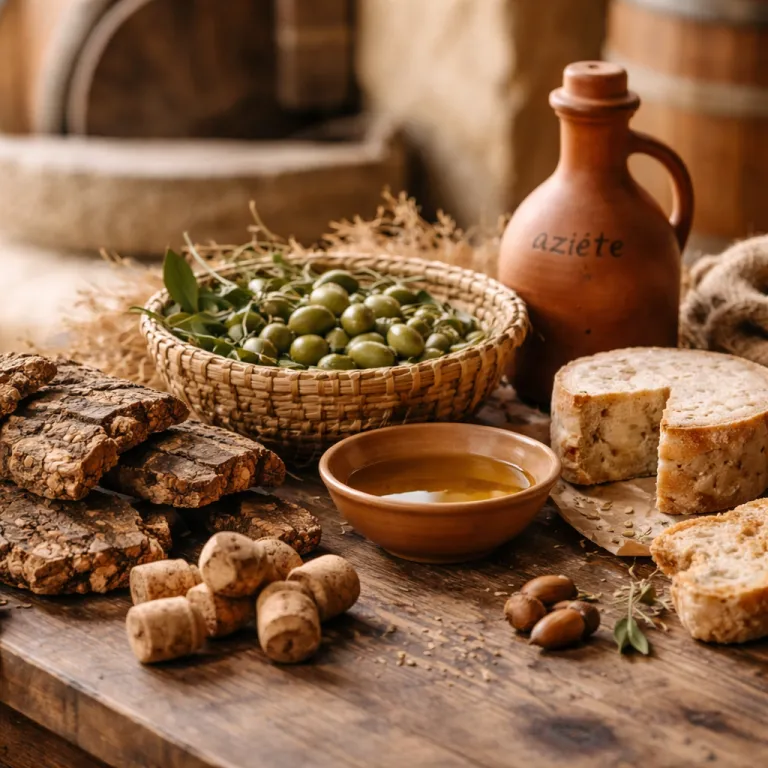
Planning your cork-to-cellar day from Évora
Base yourself in Évora if you want a cork wine cellar day that feels unhurried yet precise. A well planned route through the Alentejo region lets you move from montado forest to winery cellar in a single full day without rushing, while still keeping your travel footprint lower than a long return from Lisbon. Think of it as a slow arc through Portugal’s Alentejo, where cork, wine and olive oil quietly set the rhythm.
For this kind of day wine itinerary, aim to leave Évora around 9 am after an early breakfast in your luxury hotel or premium farm stay. Most montado estates and vineyards near the city operate visits in fixed hours, so you want your first cork experience to start before the heat settles and before the tour buses arrive from Lisbon. When you book, ask operators to confirm the exact hour of the cork demonstration, the winery tour and the wine tasting so you can sequence each stop with confidence.
Pack as if you were heading on a light hike through the Alentejo countryside rather than a city stroll. Wear comfortable shoes, bring sun protection and carry at least one litre of water per person for the morning in the montado, because shade can be sparse between cork oaks. Solo travelers should also keep a small notebook to learn and record details about Évora’s cork industry, regional Alentejo wine styles and the different bottles estates pour, since these notes become invaluable when choosing premium wines to ship home later.
Morning in the montado: cork forest, harvest and sustainability
By mid morning your cork wine cellar day from Évora should already have left the city walls and entered the montado, the traditional agroforestry system that defines this part of Portugal. A montado is not just a forest; it is a mosaic of cork oaks, grazing land and small farm plots that has shaped the Alentejo region economy for generations. The Portuguese Cork Association (APCOR) describes montado as a traditional agroforestry system in Portugal and stresses that this context matters when you start to learn how cork supports both biodiversity and rural livelihoods.
On a well run cork tour, guides from local tour operators or cork factory staff will walk you between trees and show how cork is harvested by stripping bark from cork oak trees roughly every nine to twelve years. According to APCOR, Portugal accounts for about half of global cork production, and this slow cycle is why landscapes around Évora feel so timeless, with each tree marked by the last harvest year. If you choose a specialist operator such as a 4x4 cork forest experience similar in spirit to a cork oak forest jeep day, you gain a quieter, more technical view than the standard bus tour.
From a sustainability perspective, starting your wine tour from Évora rather than Lisbon cuts driving distance and concentrates your spending in the Alentejo wines heartland. You support local farm owners, tasca families and cork workers directly, which aligns with the region’s push for eco tourism growth and cultural heritage tourism. Because the montado underpins both cork wine stoppers and the wider Alentejo wine economy, this morning segment of your wine experience is where you really see how premium wine, natural cork closures and rural jobs are interlinked.
Lunch between Évora, Reguengos and Estremoz: tasca tables and talha wine
By the time the cork demonstration ends, your cork wine cellar day from Évora should bend back toward food, ideally in a village between Évora, Reguengos and Estremoz. Aim to sit down in a tasca around the early afternoon hours, when the dining room is still mostly local and the kitchen is pulling trays of porco preto from the oven. A tasca is a small traditional Portuguese restaurant, and in this region it is where you taste the deepest flavors of Alentejo food culture.
Look for a place that treats olive oil as a main ingredient rather than a garnish, because the best tascas in the Alentejo will drizzle new season oil over bread, soups and grilled pork. Ask for a glass of talha wine, the clay amphora style that predates many modern bottlings travelers know, and compare it with a younger Évora-area red from stainless steel tanks. One owner might pour a cloudy amber talha and say, “Smell the clay and orange peel—that’s our grandparents’ way in a glass.” This is also the moment to ask staff about their preferred Alentejo wines from Reguengos Monsaraz or Estremoz, since they often point you toward small producers whose wine experience feels more personal than the big names.
Solo travelers who like structure can frame this as an informal food tour, moving from petiscos to main dishes while pairing each plate with a different regional wine. If you are staying in one of the elegant apartments for rent in Portugal highlighted in guides to refined Alentejo journeys, ask your host to book a table at their own favorite tasca rather than the obvious choice on the main square. This keeps your day wine route anchored in real community life and ensures that your wine tasting at lunch feels like part of a broader wine tour narrative, not just a pause between attractions.
Afternoon cellars near Reguengos and Estremoz: from vineyard to glass
After lunch, your cork wine cellar day from Évora shifts from forest and tasca to the cool geometry of a winery, ideally in the triangle between Évora, Reguengos Monsaraz and Estremoz. This is where the Alentejo wine story becomes tangible, as you walk through vineyards near Évora and step into cellars lined with barrels and stainless steel. Whether you choose a large estate near Reguengos or a smaller farm winery closer to Estremoz, the key is to book a structured wine tour that includes both a guided walk and a seated wine tasting.
Most premium estates in this region offer a one to two hour wine experience, often combining a short visit to the vineyards with a tasting flight of three to six premium wines. Ask specifically for a focus on grapes grown around Évora if you want to compare how fruit from these vineyards differs from those closer to Reguengos Monsaraz, where the climate can be slightly hotter. When you taste, move slowly; note how different Alentejo wines express flavors of black fruit, herbs and sometimes a faint echo of the cork forests that surround the plots.
For travelers who care about sustainability, this afternoon segment is where you can learn how wineries manage water, energy and soil in the Alentejo region. Many estates now integrate olive oil production, cork oak conservation and wine into a single farm system, which makes your wine tour feel like a broader agricultural lesson rather than a simple tasting. If you are combining this day with remote work from the countryside, consider pairing it with properties vetted for executive workations in guides to Alentejo estates that deliver for work, so your premium wine afternoons sit comfortably alongside focused mornings at the monte.
Logistics, solo travel and choosing the right luxury base
Designing a cork wine cellar day from Évora as a solo traveler means balancing independence with safety and cost. Driving yourself offers maximum flexibility to linger in the montado, extend a wine tasting or add a spontaneous stop at a roadside farm selling olive oil and local bottles. A rental car also lets you adjust your hours on the fly if a winery suggests a later tour hour to avoid a large group from Lisbon.
Hiring a private guide or joining a small group tour, often run by local tour operators, removes the stress of navigation and drink driving on rural roads. These guided options usually bundle transportation, a cork factory visit, a tasca meal and at least one structured wine experience into a single full day, which can be cost effective once you factor in fuel, tastings and the value of expert commentary. They also ensure you actually learn the finer points of Évora cork, from how bark is graded for wine stoppers to why Portugal’s annual cork exports reach on the order of hundreds of millions of euros according to trade statistics.
Whichever mode you choose, anchor the day in a luxury or premium property in Évora or nearby countryside that understands the rhythm of the Alentejo region. Look for hotels and farm stays that can book winery appointments, arrange transfers to Reguengos Monsaraz or Estremoz and suggest quieter producers for a more intimate wine tour. When a property’s concierge speaks fluently about Alentejo wine, local cellars and the best estates for serious tastings, you know your cork to cellar route will feel curated rather than improvised.
Why starting from Évora is the low impact choice
Choosing Évora as your base for a cork wine cellar day is not only elegant, it is also a more sustainable decision than a long day trip from Lisbon. Distances between the city, the montado, Reguengos Monsaraz and Estremoz are short enough to keep total driving under a few hundred kilometres, which reduces emissions and fatigue. Because your full day loops through a compact area of the Alentejo region, you spend more hour segments walking in vineyards near Évora or standing under cork oaks than sitting in a car.
There is also a clear economic sustainability argument for this route, since your spending flows directly to Alentejo wine producers, tasca owners and cork workers rather than being diluted in a big city. Local tour agencies, cork industry professionals and traditional restaurants form a tight network here, and your wine tour fees help maintain both jobs and cultural practices. Industry bodies such as APCOR report that Portugal generates roughly 900 million euros in cork exports annually, and a significant share of that value is rooted in landscapes around Évora and Reguengos.
For luxury travelers, this means you can align a premium wine itinerary with responsible travel without sacrificing comfort. Stay in a high end hotel or refined farm stay, book a curated wine experience that highlights Alentejo wines and still keep your cork journey geographically focused. The result is a day wine route where cork, wine tasting and food tour pleasures are amplified, while your overall impact on Portugal’s Alentejo remains thoughtfully contained.
FAQ
What is montado and why does it matter for cork and wine?
Montado is a traditional agroforestry system in Portugal where cork oaks, grazing and small crops coexist on the same land. This mosaic landscape supports biodiversity, provides income from Évora-area cork and underpins many Alentejo wine estates that integrate vineyards with cork trees. When you walk through montado on a cork wine cellar day from Évora, you see how natural cork stoppers, premium wines and rural livelihoods are all connected.
How is cork harvested during a visit from Évora?
Cork is harvested by skilled workers who carefully strip the outer bark from cork oak trees every nine to twelve years without damaging the trunk, with the first high quality harvest typically occurring decades after planting. On a guided tour from Évora, cork factory staff or local guides usually demonstrate the tools, explain grading and show how bark becomes stoppers for Alentejo wines and other bottles producers export. This slow harvest cycle is one reason Portugal remains the leading cork supplier for the global wine industry.
What should I wear and bring for a full day cork and wine tour?
Wear comfortable closed shoes suitable for uneven ground in the montado and cool winery floors. Bring sun protection, a reusable water bottle and a light layer for cellar visits, since temperatures in a winery can feel cooler than outside in the Alentejo region. A small notebook is useful if you want to learn and remember details about specific wines, premium cuvées and particular vineyards near Évora that you might wish to book again.
Can I visit both cork forests and wineries without a car?
It is possible to experience a cork wine cellar day from Évora without driving by joining a small group tour or hiring a private guide. Local tour operators based in Évora and Reguengos Monsaraz often combine montado walks, a cork factory visit, a tasca lunch and a structured wine tasting at an Alentejo estate. This option suits solo travelers who prefer not to drive after sampling premium wine and who value curated timing across the day wine route.
How far are the main wine areas from Évora?
Most key wine experience areas such as Reguengos Monsaraz and Estremoz lie within roughly an hour’s drive from Évora under normal conditions. This compact geography makes it realistic to plan a full day that includes montado, a tasca food tour style lunch and an afternoon wine tour without long transfers. It is one reason why Évora remains the most practical base for exploring Alentejo wines, nearby cellars and the surrounding vineyards travelers love.