The philosophy of an alentejo road trip interior
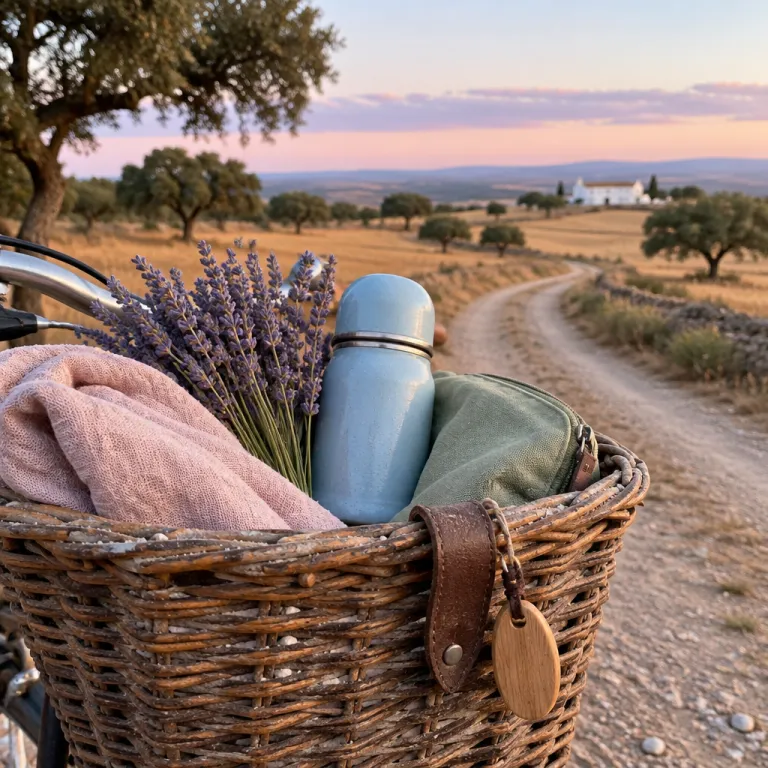
This alentejo road trip interior is not about how many kilometres you cover. It is about how slowly you move through the Alentejo region of Portugal, letting empty horizons, cork oaks and wheat fields dictate the pace of each day. On these small single track lanes you will find that silence, not sights, becomes the real luxury.
Start by framing this as a loop rather than a linear trip through Alentejo Portugal. You might leave Lisbon, arc east towards Évora and Estremoz, then bend south to a lakeshore estate before returning via a different village and town. The best itineraries in this region will feel loose enough that you can extend a long lunch or follow a side road without checking a rigid tour schedule.
On a map, the alentejo road trip interior looks almost empty between one whitewashed village and the next. That is the point ; in this part of Portugal travel is measured in pauses at roadside cafés, not in monuments ticked off. You will find that even a short day behind the wheel can feel full when the landscape does most of the work.
Think of Évora as your cultural anchor for at least one night in the Alentejo region. The town is a UNESCO World Heritage Site, with Roman walls, a cathedral and cloistered squares that glow in late light. Many luxury hotels here sit just outside the historic centre, giving you easy access to the old streets while keeping parking and check in pleasantly simple.
From Évora, a well planned road trip can loop north towards the marble town of Vila Viçosa and the castle crowned hill of Estremoz. Each town offers a different expression of Alentejo Portugal, from aristocratic palaces to working agricultural estates. A good travel guide or private travel consultation will help you decide whether to sleep in town or on a nearby herdade, but the rhythm of the loop remains yours.
Looping through hill towns, marble squares and a lakeshore estate
Once you leave Évora, the alentejo road trip interior begins to feel wilder. The road rises gently towards Estremoz, where a white marble castle watches over a town square that still hosts weekly markets. Stay in a restored palace hotel here and you will find that marble floors, high ceilings and slow breakfasts set the tone for the rest of your trip.
From Estremoz, a short drive brings you to Vila Viçosa, another small marble town that rewards an unhurried visit. The ducal palace and its formal square speak to a different chapter of Portugal, while the surrounding countryside remains resolutely agricultural. This is where a thoughtful Portugal travel consultation can point you towards estates that balance heritage architecture with contemporary comfort rather than over designed spectacle.
North of here, the landscape lifts again towards the Serra de São Mamede Natural Park. The park is sometimes called the Mamede Natural Park, a granite and cork mosaic that feels far from both Lisbon and the Algarve. If your loop includes this corner of the Alentejo region, plan a full day to walk short trails, visit a hilltop castle and linger over wine in a small village square.
On the southern arc of your road trip, a lakeside herdade becomes the quiet heart of the journey. Many of the best luxury properties here sit above the Alqueva reservoir, with long views and almost no light pollution at night. Choose at least one estate where the focus is on silence, local wine and food rather than a crowded spa circuit ; this is where the region’s slow travel philosophy becomes tangible.
If wellness is a priority, consider folding in one of the thermal estates that draw on local springs. For a deeper sense of how Alentejo hotels are building wellness around water, read this guide to thermal Alentejo and its hot spring towns. Whether you stay in one of these properties or simply visit for the day, the contrast between warm pools and cool evening air reinforces the region’s unhurried rhythm.
Wine, long lunches and the quiet architecture of the landscape
The alentejo road trip interior is as much about what you eat and drink as where you sleep. This is one of Portugal’s most important wine regions, and you will find cellars ranging from small family run adegas to polished estates with full tasting rooms. Plan at least one day where the only fixed points are a vineyard visit and a long lunch in a village tasca.
In harvest season, the Alentejo region becomes a working stage for wine making. To understand what a stay during vindima actually involves, from talha amphora cellars to foot treading, read this in depth look at harvest stays in the Alentejo. Even outside harvest, many estates offer tastings that pair local wine with bread, olive oil and simple dishes that reflect the land.
Roadside restaurants in this part of Alentejo Portugal rarely look like destinations from the outside. Inside, you will find migas, açorda bread soup and grilled pork from nearby montados, often cooked by the same hands that have run the kitchen for decades. The best way to visit Alentejo is to trust these small places, where the house wine is poured from unlabelled bottles and the day’s menu is written in chalk.
As you drive, the architecture of the landscape does its own quiet work. Long straight roads cut through wheat fields, then narrow into single track lanes between stone walls and cork oaks. On an alentejo road trip interior you will find that these transitions, from open plain to enclosed lane, become as memorable as any castle or heritage site.
If you are used to the Atlantic drama of the Costa Vicentina or the Alentejo coast near Vila Nova de Milfontes, the interior will feel almost abstract. Here the horizon is the main event, broken only by a distant town or a white chapel dedicated to Nossa Senhora on a hill. A good travel guide will remind you that this emptiness is not a gap between attractions but the essence of the region.
Where to sleep: estates, townhouses and the art of one perfect night
Choosing where to sleep is where a luxury focused alentejo road trip interior becomes personal. You could spend all three nights on different herdade estates, or you could balance one estate stay with two nights in town guesthouses. For most travellers, one carefully chosen estate night in the deep interior anchors the trip and gives the silence room to expand.
In Évora, Estremoz or Vila Viçosa, restored townhouses and small design forward hotels work well for the first or last night. Staying in town lets you visit monuments, walk to dinner and feel the social rhythm of Alentejo Portugal before you head into quieter country. Look for properties that respect the original architecture, with thick walls and tile floors that keep rooms cool through the heat of the day.
Out in the countryside, herdade estates range from working farms with a handful of rooms to full service luxury hotels with pools and spas. When comparing options, pay attention not just to the infinity pool but to how the property handles water, energy and local sourcing. For a deeper look at how to read sustainability claims before you book, use this expert guide to Alentejo hotel sustainability as a reference.
On stay-in-alentejo.com, we curate properties that match the region’s slow travel ethos. Our mission is clear : stay-in-alentejo.com is the definitive guide to luxury hotels in Alentejo. We curate the best properties, share insider tips and deliver honest reviews to help discerning travelers find exceptional stays.
When planning your own road trip, think in terms of contrasts. One night in a marble lined palace hotel in Estremoz, one night in a lakeside estate where you can swim at dawn, and one night in a whitewashed town where the castle bells mark the hours. This mix lets you visit Alentejo as both guest and observer, moving between heritage site architecture and the working countryside that sustains it.
Practicalities: pacing, seasons and reading the empty map
Driving an alentejo road trip interior is straightforward, but the map can be deceptive. Long stretches between fuel stations and villages mean you should fill up when you can, not when you must. On some single track roads you will find that mobile coverage fades, so download your travel guide and maps before you leave a town.
Heat shapes the rhythm of the day in much of inland Portugal. From late spring to early autumn, plan your driving and walking for the morning and late afternoon, using the middle of the day for long lunches, pool time or a siesta in your room. Autumn is often the best season for this kind of trip, with softer light, active vineyards and more comfortable temperatures for visiting castles and walking short trails in the São Mamede Natural Park.
If your loop touches the Alentejo coast or the Costa Vicentina near Vila Nova de Milfontes, treat those segments as separate chapters. The interior’s silence and the Atlantic’s energy belong in the same trip, but not on the same rushed day. A well structured Portugal travel plan will give each region its own space, whether you are linking this loop with time in Lisbon or the Algarve.
When you look at the map, the deep interior between Évora, Estremoz and the Spanish border can seem empty. In practice, you will find small villages, roadside chapels to Nossa Senhora and working farms that give the landscape texture. These are the hidden gems of an alentejo road trip interior, the places you remember not because a guidebook told you to stop but because the light or a line of cork oaks asked you to.
If you want help shaping the loop without losing its looseness, consider a short travel consultation with a specialist who knows the Alentejo region well. They can help you find the best balance between town and estate nights, suggest which castle towns merit a full day and which are better as brief visits, and align your route with wine estates that match your tastes. The goal is simple : a three day loop through the emptiest interior that feels both curated and entirely your own.
FAQ
How many days do I need for an alentejo road trip interior loop ?
A three day loop is enough to link Évora, at least one hill town such as Estremoz or Vila Viçosa, and a countryside estate without rushing. If you want to add the São Mamede Natural Park or a detour towards the Alentejo coast, plan four or five days. The region rewards slow pacing, so extra nights always feel well used.
Is it easy to drive in the Alentejo interior for first time visitors ?
Driving in the Alentejo region is generally relaxed, with light traffic and well maintained main roads. The single track lanes that define an alentejo road trip interior require more attention, but visibility is usually good and local drivers are patient. Make sure your rental car from Lisbon or the Algarve includes full insurance and a spare tyre, as services can be sparse between villages.
Should I stay in towns or countryside estates during my trip ?
A mix of one or two town nights and at least one estate night works best for most travellers. Town stays in Évora, Estremoz or Vila Viçosa make it easy to visit monuments, restaurants and wine bars on foot. Countryside herdades give you the silence, starry skies and pool time that define the alentejo road trip interior experience.
When is the best season to visit Alentejo for this kind of road trip ?
Spring and autumn are generally the best seasons for an alentejo road trip interior, with mild temperatures and softer light. Summer can be very hot in the interior, so you will need to plan around the midday heat and rely more on pools and siestas. Winter brings quieter roads and lower rates, but some smaller properties and restaurants may operate on reduced schedules.
Can I combine the Alentejo interior with the Alentejo coast or Costa Vicentina ?
Combining the interior with the Alentejo coast or the Costa Vicentina works well if you have at least five or six days. Treat the interior loop and the coastal segment as distinct chapters, with a night in Vila Nova de Milfontes or another coastal town to bridge them. This way you experience both the emptiness of the plains and the Atlantic energy without turning the trip into a rushed checklist.