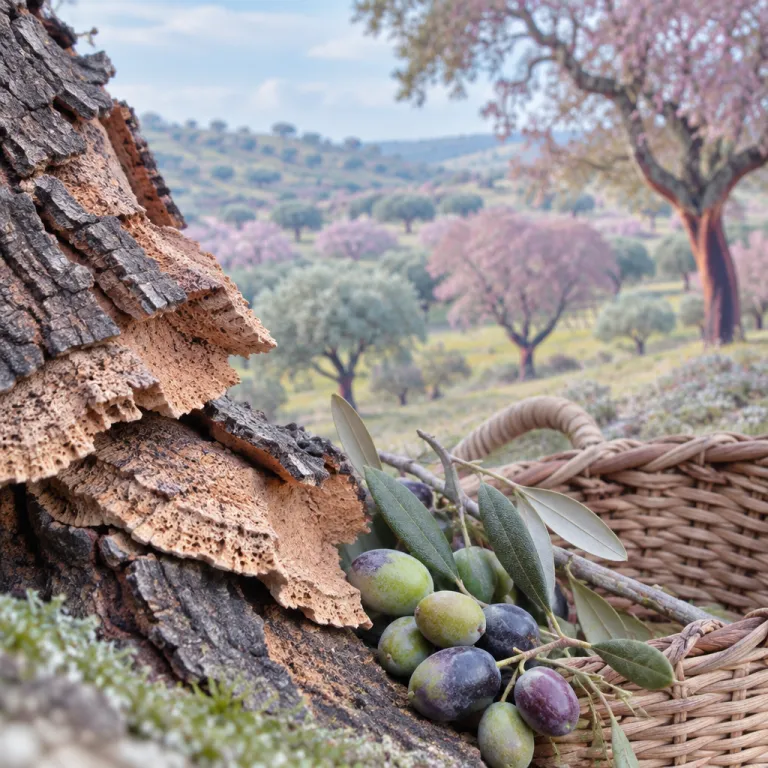
Alentejo autumn: where the montado shifts and the olive harvest begins
Autumn in the Alentejo is not about blazing scarlet hillsides. It is about a low golden light sliding across open land, catching the rounded crowns of cork oak and the first nets laid out beneath the olive groves. As the Alentejo’s montado landscape settles into harvest season and the olive picking begins, the whole region exhales and the pace of travel slows to something deeply real.
Across this inland region of southern Portugal, the montado is the defining landscape. It is a mosaic of cork forests, scattered farms, vineyards and small olive parcels, where cattle graze under cork oaks and horses move between stone tanks and field edges. When you explore Alentejo in October, you see the wheat fields already cut, the vines turning rust and amber, and the first olives darkening against silver leaves near the border with Spain.
For luxury travelers, this is when the Alentejo Portugal story feels most honest. Days sit in the low 20s Celsius, with cool mornings that suit long montado walks from one estate to the next. By late afternoon, you return to a luxury hotel terrace, watch the light fade over the land and taste new season olive oil with bread still warm from the farm kitchen.
The autumn olive harvest also reshapes how you choose where to stay. Many of the best hotels in the Alentejo are working estates, where rural tourism is not a label but a daily rhythm of tractors, pruning and quiet, methodical picking. When you are planning a stay, look for properties that sit within real farms or historic estate complexes, not roadside builds that could be anywhere in Portugal or Spain.
What autumn really looks like in the Alentejo
Forget the New England foliage image; the Alentejo’s colour shift is subtler and more architectural. Cork oaks hold their deep green, but the ground beneath them turns straw gold, and the stripped bark from the last cork harvest glows a deep terracotta against pale trunks. Between them, olive groves and vineyard plots create bands of silver and burgundy that run across the land toward the distant coast.
In the north around Évora, the montado feels denser and more enclosed. Here, Alentejo rural estates sit behind long drives, with whitewashed walls and blue trim, and horses grazing under cork forests that have been managed for generations. South toward the coast, the land opens out, the air smells faintly of the Atlantic, and you feel how Alentejo Portugal stretches almost to the Algarve yet keeps its own slower tourism rhythm.
October is also when the agricultural year overlaps in interesting ways. On some farms, the tail of the grape harvest runs alongside the first serious olive picking, so you might see crews moving from vineyard rows in the morning to olive trees in the afternoon. For guests in a luxury hotel on a working estate, that means breakfast with fresh grape must on the table and dinner finished with just pressed olive oil over grilled fish.
This is the moment when the region’s total cork story is also visible. You notice the pattern of stripping bark on cork oaks that were cut earlier in the cycle, their trunks numbered in red to track when the next harvest will come. According to the Portuguese Cork Association (APCOR), Portugal accounts for roughly half of global cork production, and the Alentejo region is where more than half that total cork volume is rooted in real land and real trees.
Olive harvest as an experience: from grove to mill to table
Staying on an Alentejo estate during the olive harvest changes how you understand olive oil. You wake to the sound of tractors and quiet voices in the olive groves, and by mid morning the first crates arrive at the farm mill, heavy with fruit that still carries the night’s cool. For couples planning a stay around this season, this is the most intimate way to connect with the region.
Many rural tourism properties now build gentle guest experiences around this moment. You might join workers for an hour of hand picking in traditional groves, then follow the crates to a small lagar, such as the historic mill at Herdade do Esporão near Reguengos de Monsaraz, where the olives are washed, crushed and pressed into a cloudy green oil that you taste within minutes. It is a short, vivid chain from land to bottle, and it makes every later drizzle of olive oil in Portugal or Spain feel different.
In the triangle between Évora, the Guadiana border with Spain and the lower coast, you find some of the most interesting olive estates. These are places where vineyard blocks sit beside ancient trees, and where a luxury hotel has been folded into an existing farm rather than imposed on it. When you explore Alentejo here, you are not just visiting a place; you are stepping into a working landscape that still sets the rhythm of local tourism.
For our readers, the key is to choose hotels in the Alentejo that treat the harvest as more than a marketing line. Ask whether the estate produces its own oil, whether you can see the mill in operation, and whether harvest lunches are built around what the land is giving that week. If you care about how regions on the rise grow without losing themselves, the wider story of how Alentejo tourism is trying not to become the Algarve is essential context for your planning.
Why new season oil is worth the trip
Freshly pressed olive oil from the first autumn harvest is a different product from the bottle on your kitchen shelf. It is intensely green, often almost spicy, with a texture that feels alive on the tongue. Tasting it on toasted bread in a quiet farm kitchen, with cork oaks framed in the window, is one of the region’s most quietly luxurious experiences.
On some estates, the luxury is not in marble bathrooms but in access. You might ride a horse out through olive groves at first light, watching workers lay nets and position ladders, then return to the luxury hotel for a late breakfast built around that morning’s oil. In the evening, a simple harvest table under the cork forests, with grilled lamb, local wine and olive oil poured generously, can feel more indulgent than any tasting menu in Lisbon.
For couples planning an autumn trip, this is also a season of space. Roads across the region are almost empty, even on the routes that link Portugal and Spain, and you can move between Évora, the coast and the interior estates without ever feeling rushed. That sense of quiet is part of what makes Alentejo rural stays so compelling for travelers who value time, privacy and a real connection to land.
When you explore Alentejo in this way, you start to see how every element connects. The cork oak that shades your terrace, the vineyard blocks that supply the house wine, the olive groves that give the oil on your plate and the horses that still work some farms are all part of a single, long term agricultural culture. Choosing hotels in the Alentejo that respect that culture is the most meaningful luxury decision you can make.
Montado estates, cork forests and where to stay in autumn
The montado is not a park; it is a working agroforestry system that defines much of the Alentejo. Scattered cork oaks, holm oaks, olive groves and grazing land are managed together, creating a landscape that is both productive and biodiverse. For travelers, the most rewarding stays come on estates that sit inside this mosaic rather than on its edge.
In the central region around Évora, several historic estates have been converted into low key luxury hotel properties. Places such as Convento do Espinheiro or São Lourenço do Barrocal keep the whitewashed architecture and long farm courtyards, but add quiet pools, serious wine lists and staff who can explain why stripping bark from cork oaks happens only every nine years. When you walk out from these hotels in the Alentejo into the surrounding cork forests, you see the numbered trunks that track each cork harvest and understand how Portugal’s cork industry underpins so much of the local economy.
Further east, near the border with Spain, the montado opens into broader horizons. Here, large estate properties run down toward the Guadiana, mixing vineyard plots with cereal land and pockets of dense cork forests that shelter wildlife. Staying on one of these farms in autumn means waking to mist in the hollows, riding a horse along old drovers’ paths and returning to taste olive oil and wine produced within sight of your room.
To the southwest, as the land leans toward the coast, you find a different expression of Alentejo rural life. Estates here often combine pine, cork oak and dunes, and some are beginning to explore wellness built on local waters, echoing the region’s emerging thermal and hot spring retreats. For couples planning a longer stay, pairing a few nights inland during the olive harvest with a quieter coastal estate gives you both the agricultural heartland and the Atlantic edge.
Reading the cork landscape from your hotel terrace
One of the quiet pleasures of autumn stays in the Alentejo is learning to read the cork landscape. From your terrace, you can trace which cork oaks have been recently cut, their trunks a raw orange from stripping bark, and which are still waiting their turn. Over time, you notice how some stands are managed for maximum total cork yield, while others are left looser to support grazing and rural tourism activities.
Portugal’s cork production is concentrated in this region, and roughly half the world’s total cork comes from Portuguese trees, according to APCOR. That means when you open a bottle of wine at your luxury hotel, there is a good chance the stopper was harvested within a few hours’ drive. On some estates, guides will walk you through the cork forests, explaining how each tree’s cycle is tracked and how the half total of national cork income that stays in the Alentejo shapes local land decisions.
For travelers who care about where their money goes, this matters. Choosing hotels in the Alentejo that are embedded in real farms and cork forests supports landowners who keep the montado system alive rather than converting it to more intensive uses. During the autumn olive harvest, when both cork and oil stories are visible, that connection between your stay and the wider region feels especially clear.
If you are planning a multi stop trip that includes other Portuguese regions, consider how this cork and olive culture contrasts with the volcanic landscapes of the Azores. Our guide to elegant stays across the Azores shows how different Portugal can feel from island to interior, yet how a focus on land, water and quiet luxury runs through both.
Designing an autumn itinerary: from Évora to the coast and back
For a couple with a week, the most satisfying autumn itinerary moves in a slow loop. Start in Évora for two nights, using a luxury hotel in or near the historic centre as your base for exploring the city’s Roman, medieval and wine culture. From there, drop south or east into the montado for three nights on a working estate that is active in the seasonal olive harvest.
On the estate days, keep your planning light. Spend one morning in the olive groves, another walking or riding a horse through cork forests, and an afternoon visiting a nearby winery where vineyard plots roll down toward a reservoir. Evenings are for long dinners built around olive oil, local lamb and wines that show how this region has moved beyond rustic reds into serious, age worthy bottles.
For the final two nights, angle toward the coast without chasing beach culture. Choose a property where the Atlantic is present in the air and on the plate, but where the land still carries cork oak and olive groves right down to the dunes. This way, your stay keeps the Alentejo rural character even as you feel the pull of the ocean and the long, empty roads that link Portugal and Spain along the southwest.
Throughout, use hotels in the Alentejo that understand their role as interpreters of place. Ask for maps of walking routes through the montado, for introductions to neighbouring farms and for tastings that show the difference between early harvest and later season olive oil. When you leave, you carry not just images of autumn light on cork oaks, but a clear sense of how this land works and why your travel choices matter to its future.
Practical tips for booking luxury stays in harvest season
Autumn remains quieter than high summer, but the best estates still fill. Aim to book your luxury hotel at least two to three months ahead if you want specific rooms with views over olive groves or cork forests. When you enquire, mention that you are interested in the autumn harvest period, and ask what activities or access they can realistically offer.
Check whether the property is a standalone hotel or part of a larger working farm or estate. The latter usually offers a richer connection to land, with chances to see stripping bark from cork oaks, walk through vineyard plots and taste olive oil produced on site. If rural tourism is important to you, look for clear signs that agriculture is more than a backdrop, from visible machinery to staff who can talk knowledgeably about Portugal’s cork sector and local wine.
Transport wise, renting a car remains the most flexible option. Distances between Évora, the coast and the border with Spain are not huge, but public transport is sparse, and the pleasure of the region lies in stopping at viewpoints, small farms and quiet villages along the way. Driving also lets you appreciate how much of the world’s total cork and a significant half total of Portugal’s olive oil output are rooted in this apparently empty land.
Finally, pack for layered days. Mornings in the montado can be cool, especially in low lying land near rivers, while afternoons on exposed estate hillsides or near the coast can still feel almost summery. A light jacket, good walking shoes and a willingness to slow down are the only real essentials for an autumn stay in the Alentejo.
FAQ
When does the olive harvest usually start in the Alentejo ?
The olive harvest in the Alentejo typically begins in early October and can run into late November, depending on altitude and variety. Data from regional producers such as Esporão and Sovena confirm this window, with earlier picking on warmer, lower land and later dates in higher, cooler zones. Early harvest fruit is picked greener and produces a more intense, peppery olive oil, while later harvests yield softer, rounder oils. If you want to see the full process from grove to mill, aim for mid October when many estates are in full swing.
Which part of the Alentejo is best for an autumn stay ?
For a first visit, the central belt around Évora offers the best balance of culture, wine and access to montado estates. From there, you can reach both the eastern border with Spain and the western coast within a couple of hours’ drive. Travelers who prefer wilder landscapes may enjoy the eastern Alentejo more, while those who like an Atlantic influence often choose the southwest near the coast.
Do I need a car to explore the montado and rural estates ?
A car is strongly recommended if you want to explore Alentejo rural areas and stay on working estates. Public transport links the main towns, but many of the most interesting luxury hotel properties sit several kilometres down unpaved roads. Having your own vehicle lets you move between olive groves, cork forests and vineyard areas at your own pace.
Are children welcome at luxury rural hotels in the Alentejo ?
Policies vary, but many high end rural tourism estates in the Alentejo are designed primarily for adults and couples. Some accept children but may not offer specific facilities, while others position themselves as quiet, adults focused retreats during the autumn harvest period. Always check age policies and available activities before booking if you plan to travel as a family.
How many days should I plan for an autumn trip to the Alentejo ?
A minimum of four nights allows you to experience both Évora and one rural estate during harvest season. For a more relaxed pace that includes time on the coast or near the border with Spain, six to seven nights is ideal. This gives you space to follow the rhythms of the land, from olive picking to cork forest walks, without turning your stay into a checklist.