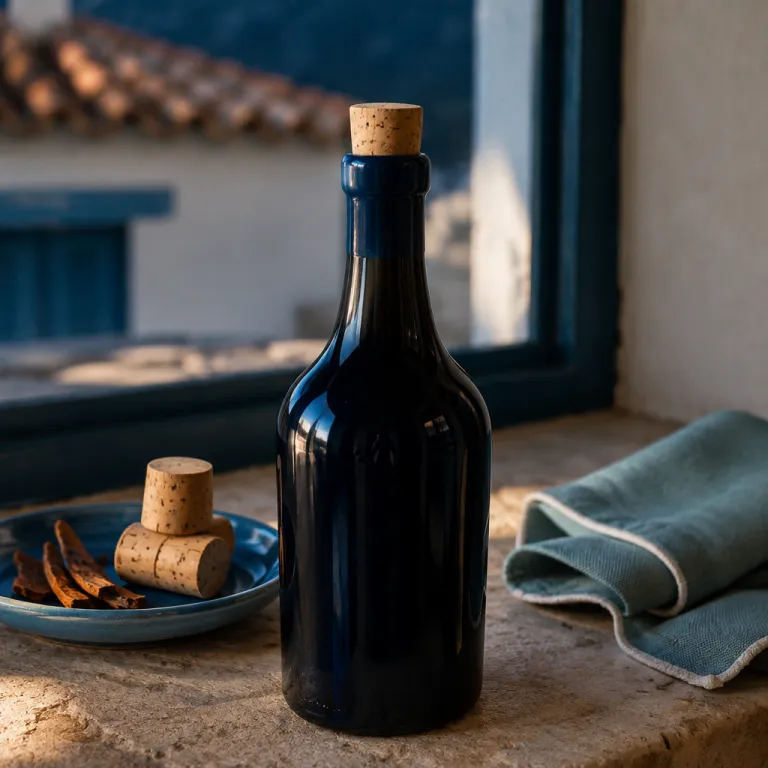
Why a cork craft workshop in Alentejo belongs on your itinerary
Spend a day in a cork craft workshop in Alentejo and the landscape suddenly makes tactile sense. The montado of cork forests that you drive through between Lisboa and the interior becomes a working studio, where bark, hands and tools quietly rewrite your idea of luxury. For travelers using a premium hotel booking website focused on Alentejo Portugal, this kind of experience turns a beautiful room into a base for real connection.
Cork in Portugal is harvested by hand from living trees on a cycle of about nine years, a rhythm that shapes both the economy and the ecology of this part of the Iberian Peninsula. Walk from your hotel through olive groves and wheat fields and you are already inside the system that produces the stoppers in your wine and the soft cork pieces on the workbench. A well curated cork craft workshop in Alentejo lets you see how that bark becomes objects that feel as refined as any designer furniture.
The best luxury properties near Évora, Reguengos de Monsaraz or Alter do Chão now treat Alentejo crafts as part of their core offering, not a side activity. Concierges arrange private visits to small ateliers where a single local maker cuts, sands and presses cork into bags, trays and bottle stoppers. For a solo explorer, this is a rare chance to step away from the city pace of Lisbon Alentejo routes and spend a day where time moves at the speed of a hand tool on bark.
From montado to workbench: understanding the raw material
Before you sit down in any cork craft workshop in Alentejo, it helps to understand the montado, the open woodland of cork oaks and holm oaks that defines this region. These cork forests are not wild parks but carefully managed landscapes, where each tree is marked with a number showing when it was last stripped. Over a Portugal long history of stewardship, families have learned to remove the bark without harming the trunk, allowing it to regenerate for the next harvest cycle.
Driving from Lisbon towards Alentejo Évora, you pass low hills where cork, vines and olive groves share the same slopes. Many estates around Évora, Viana do Alentejo and Campo Maior still combine wine production with cork, so the bottle on your table and the stopper in its neck may come from the same property. When a hotel partners with such an estate, a guest can visit the groves in the morning and then follow the bark into a nearby workshop in the afternoon.
The montado underpins tourism in Alentejo Portugal because it holds soil, supports wildlife and provides shade for grazing animals. Choosing authentic Alentejo crafts made from locally harvested cork helps keep this system economically viable, in the same way that buying Arraiolos blankets or a hand knotted tapestry supports wool producers. A thoughtful hotel will brief you on this context before your workshop day, so that every cut of the knife on the cork feels connected to the wider landscape.
Inside a cork craft workshop day: tools, skills and sensory detail
A well run cork craft workshop in Alentejo usually starts with raw bark stacked against a whitewashed wall, still carrying the deep red of the freshly stripped tree. The craftsman shows how these curved slabs are boiled, flattened and graded, explaining why some will become high end stoppers while others are destined for bags, trays or sculptural pieces. You feel the difference immediately, from the dense, almost stone like cork used for bottle stoppers to the velvety sheets chosen for homeware.
In smaller pottery towns such as São Pedro do Corval or Nisa, where clay and cork often share the same shelves, workshops sometimes combine materials in one object. You might visit a studio that pairs a simple clay base with a cork lid, echoing the way olaria pedrada from Nisa unique traditions mixes textures in its ceramics. Nearby, the pottery school that teaches younger artisans to work with both clay and cork helps keep these hybrid crafts alive across the Iberian Peninsula.
Expect to spend several hours at the workbench, cutting, sanding and sealing your own small pieces under close guidance. The best workshops limit numbers so that each guest receives real instruction, not a rushed demonstration designed for mass tourism. When you leave with a finished bottle stopper or a small tray, it carries the memory of the day in your fingertips, not just in your luggage.
Choosing authentic Alentejo crafts over generic souvenirs
Not every cork craft workshop in Alentejo offers the same level of authenticity, and this is where a serious luxury hotel booking website earns its keep. In larger city centers such as Évora or in busy tourism corridors between Portugal and Spain, you will see piles of identical cork bags and hats that could have been made anywhere. True Alentejo crafts feel different in the hand and usually come with a story about the tree, the harvest and the maker.
Look for small studios in places like Arraiolos, Estremoz, Viana do Alentejo or Campo Maior where cork shares space with tapestry, blankets or hand painted pottery. In these towns, a maker might show you how a cork tray sits beside an Arraiolos tapestry or how a cork lamp base complements traditional furniture carved from local wood. When a hotel recommends a specific atelier rather than a generic shop, it is usually because they know the family and have seen the work evolve over many years.
Some of the most characterful pieces combine references from across Alentejo Portugal, such as a cork panel etched with motifs from Reguengos de Monsaraz tiles or a stopper carved with patterns inspired by Pedrada de Nisa ceramics. In villages near Nisa, the term olaria pedrada refers to pottery decorated with small stone inlays, and a few artisans now echo that texture in cork surfaces. For a curated list of makers and how hotels can facilitate meaningful encounters with them, see our guide to elevating your stay through unique guest interactions.
Weaving cork craft into a luxury stay in Alentejo
The most rewarding way to approach a cork craft workshop in Alentejo is to treat it as the anchor of a full day, not a quick stop between pool sessions. Start with an early walk through cork forests on an estate near Évora or Alter do Chão, where a guide explains the tree markings and the nine year harvest rhythm. Return to the house for a glass of local wine and then head to the workshop, carrying the morning’s images of bark and light into the studio.
Many high end properties in the Alentejo Évora corridor now offer packages that pair cork craft with other local experiences, such as a visit to São Pedro do Corval for clay and pottery or an afternoon in Arraiolos learning about tapestry and blankets. A day might include a stop in Reguengos de Monsaraz to taste wines whose stoppers are made from the same groves you walked through earlier. On the way back, your driver can detour via Lisbon Alentejo routes that pass through olive groves and small pottery towns, rounding out a picture of rural Portugal that feels layered rather than staged.
For solo travelers, this kind of curated day offers both structure and freedom, with enough quiet moments to absorb what you have seen. You return to your room not just with objects but with a mental map that links cork, clay, textiles and the wider tourism economy of Alentejo Portugal. That is the real luxury here ; the sense that the bottle stopper on your next table is part of a story you now understand from bark to finished piece.
FAQ
How long does a typical cork craft workshop in Alentejo last ?
Most cork craft workshops in Alentejo last between three and five hours, which allows time to see the raw bark, understand the processing stages and create at least one finished object. Some hotels can arrange a full day that combines a morning walk in the cork forests with an afternoon at the workbench. If you want to visit nearby towns such as Évora or São Pedro do Corval on the same day, plan for a private transfer and a flexible schedule.
Do I need prior craft experience to enjoy a workshop ?
You do not need any previous experience with crafts, woodworking or pottery to take part in a cork craft workshop in Alentejo. Artisans are used to working with complete beginners and will adapt the tools and techniques so that you can safely cut, sand and finish simple pieces. Travelers with a background in clay or textiles often find that cork feels surprisingly intuitive after a short demonstration.
Which Alentejo areas are best for combining cork craft with other traditions ?
The triangle between Évora, Reguengos de Monsaraz and Arraiolos is particularly rich if you want to combine cork craft with wine, tapestry and blankets. Further north, Nisa and its olaria pedrada ceramics offer a different angle, especially if you are interested in how clay and cork can be used together. Around São Pedro do Corval, many workshops sit close to vineyards and olive groves, making it easy to build a varied day without long drives.
Can luxury hotels arrange private cork craft sessions ?
Many luxury and premium properties in Alentejo Portugal now work directly with local artisans to arrange private or small group cork craft sessions. These can often be tailored to your interests, whether you want to focus on bottle stoppers, homeware pieces or more sculptural work. When booking through a specialized Alentejo hotel platform, mention your interest in cork craft so the concierge can secure time with the right maker.
What should I look for when buying cork pieces to take home ?
When choosing cork pieces in Alentejo, pay attention to the density and finish of the material, as well as the clarity of the maker’s story. Authentic workshops will explain where the cork was harvested, how often the trees are stripped and which techniques were used on your object. Items that sit comfortably alongside local furniture, tapestry or ceramics in the studio are usually a good sign that you are supporting a genuine craft tradition rather than a generic souvenir trade.
Sources
Instituto da Conservação da Natureza e das Florestas (ICNF) ; APCOR – Associação Portuguesa da Cortiça ; Turismo de Portugal.