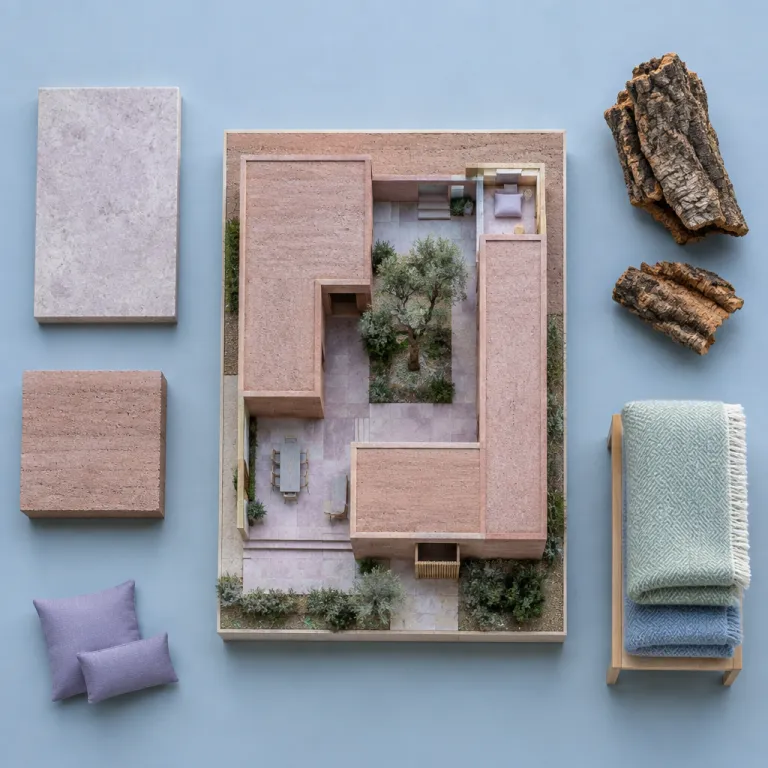
Why alentejo architecture in rammed earth hotels feels so different
Step into the right hotel in the Alentejo and the air feels heavier, calmer, almost cool to the touch. That sensation is not marketing language but the physical result of serious architecture, where rammed earth, lioz stone and lime render are deployed as climate tools in alentejo architecture rammed earth hotels rather than as rustic décor. In a region where summer days can push well beyond 40 °C, the best hotels in this country landscape rely on thermal mass and shade before they ever reach for air conditioning.
Rammed earth, or taipa, is the quiet hero of many new accommodation units and restored montes across portugal Alentejo, its dense walls absorbing heat by day and releasing it slowly at night. When you read a property description that talks about thick walls, small openings and deep reveals, you are really reading a manual on how to sleep well in furnace summers while still enjoying a framed view of cork oak hills or distant oak forests. Lioz and other local stone play a similar role in these design hotel projects, their weight and texture anchoring spaces that would otherwise overheat under the Alentejo sun.
For travelers choosing between hotels, this is where form and function finally align in a genuine love affair with place. A stay design that uses architecture nature principles will feel different underfoot, from the cool stone floors to the shaded pool terrace that never quite bakes. When you arrive from Lisbon or another lisbon based gateway, the contrast between city heat and the soft, filtered light of a well designed hotel in the Alentejo is immediate and persuasive.
Reading walls, courtyards and pools like a seasoned architecture guest
Once you know what to look for, you can read an Alentejo hotel the way an architect reads a plan. Start with the walls in your room or in the shared spaces, checking whether they are genuinely thick rammed earth or stone, or just a thin plasterboard echo of traditional architecture. True alentejo architecture rammed earth hotels will feel solid when you knock, and window reveals will be deep enough to sit in, creating shade pockets that keep the interior cool without constant mechanical cooling.
Courtyards are another quiet signal of intelligent architecture landscape thinking in this part of Portugal. A well designed courtyard in portugal Alentejo is not only a pretty space for morning coffee and local wine but also a cross ventilation engine, pulling cooler air through accommodation units as the day heats up. Look for how the pool is positioned in relation to the main hotel volumes and villas, because a carefully oriented pool can act as a thermal buffer and a visual anchor in the wider landscape project.
In places where heritage architecture meets quiet luxury, such as the kind of restored monte featured in this Alentejo heritage architecture stay, you will notice how every opening is designed, not accidental. Shade structures, pergolas and low walls are part of a broader piece of landscape architecture that choreographs breezes, light and privacy. When architects and hoteliers get this right, the result is a hotel where you sleep with windows open to the country night, hearing only wind in the cork oak and feeling the slow release of cool from the rammed earth around you.
From Comporta beige to clay and pigment: a new colour language
Colour in the Alentejo has long meant whitewashed walls, blue or yellow trims and the soft neutrals exported by the Comporta design wave. A newer generation of architects and architecture studios is quietly shifting that palette in alentejo architecture rammed earth hotels, leaning into clay tones, iron rich pigments and the dusty rose of local soils. This is not a rejection of tradition but a deeper reading of architecture nature, where the building’s skin mirrors the fields, cork oak bark and lioz stone underfoot.
Some of the most interesting design hotel projects in portugal Alentejo now use pigmented lime renders over rammed earth, allowing the mass of the wall to work thermally while the surface colour absorbs or reflects heat in a controlled way. You might see a soft rose façade facing the infinity pool, catching the last light, while cooler off white tones are reserved for inner courtyards and shaded spaces. This calibrated use of colour is part of a broader debate in the region, explored in depth in this piece on why the next Alentejo hotels are choosing clay and contradiction, where architects argue that pigment can both ground a hotel in its landscape and improve comfort.
Names like Aires Mateus are often cited when travelers talk about minimalist villas and hotels in Portugal, but the real story is how architects across the region are using colour as part of a holistic landscape project. When you stand on a terrace at sunset, glass in hand, and notice how the wall beside you shifts from terracotta to shadow, you are seeing form and function at work together. That is the moment when a stay design becomes a genuine love affair between architecture, landscape and guest comfort, rather than a simple style exercise.
Thermal mass, shade and the 40-degree problem
Alentejo summers are not abstract numbers on a weather app but a physical test for every hotel, villa and pool terrace. The best alentejo architecture rammed earth hotels treat 40 degree days and cold cork oak nights as design briefs, not inconveniences, and they respond with mass, shade and carefully oriented openings. Thick rammed earth walls, lioz stone floors and deep verandas slow the passage of heat, allowing interiors to remain stable while the landscape outside shimmers.
Look closely at how accommodation units are grouped and you will often see an architecture landscape strategy at work, with volumes staggered to cast shade on each other and to open up specific view corridors. A row of villas might be designed so that each has a slightly different view of oak forests or vineyards, while sharing a common breeze path that cools the ensemble. Pools, including the now ubiquitous infinity pool, are usually placed not just for the Instagram shot but to catch prevailing winds and to reflect light back into shaded spaces without adding heat.
Studios that specialise in this kind of work, often Lisbon based but deeply embedded in portugal Alentejo, talk about form function as a single phrase rather than two separate ideas. They will describe how a simple white volume, carefully cut with a few openings, can outperform a more complex design hotel that ignores orientation and thermal mass. As a guest, you feel this when you walk from a sun blasted courtyard into a cool interior without a blast of artificial air, and when you sleep under a light blanket even after a day spent by the pool with a glass of local wine.
How to choose architecture led stays on a luxury booking website
On a luxury and premium booking platform focused on the Alentejo, the language used to describe hotels is your first design clue. Phrases like “rammed earth walls”, “lime render”, “landscape architecture” and “cork oak surroundings” usually signal that architects have shaped the project from the ground up, rather than being called in to decorate. When you see references to architecture studios, especially Lisbon based teams with a track record in portugal Alentejo, you can expect a more rigorous approach to climate, materials and comfort.
Pay attention to how accommodation units and shared spaces are described, because serious alentejo architecture rammed earth hotels will talk about orientation, courtyards and cross ventilation as much as they talk about the pool or spa. A property that mentions oak forests, vineyards and a wider landscape project is usually thinking in terms of architecture nature, integrating paths, terraces and even the infinity pool into a coherent architecture landscape. For a deeper dive into how thoughtful hosts shape guest experiences, this guide to elevating your stay through luxury booking platforms offers useful context on what to look for beyond the room photos.
When a listing references names like Aires Mateus or other respected architects, read carefully to understand whether they designed the whole hotel or just consulted on certain spaces. The most rewarding stays are those where form and function are aligned from masterplan to bedside lamp, where the pool terrace, villas and main hotel building are all designed as one system. In those places, your love affair with the Alentejo begins not with the first glass of wine but with the first breath of cool air you feel when you step inside from the blazing country light.
FAQ
What makes rammed earth hotels in the Alentejo more comfortable in extreme heat ?
Rammed earth walls have high thermal mass, which means they absorb heat slowly during the day and release it gradually at night. In alentejo architecture rammed earth hotels, this stabilises interior temperatures so rooms stay cooler during furnace summers and warmer during cold cork oak nights. Combined with shaded courtyards, small openings and cross ventilation, this reduces reliance on air conditioning while improving overall comfort.
How can I tell if a hotel in the Alentejo is genuinely architecture led ?
Look for detailed descriptions of materials, orientation and landscape architecture rather than generic design language. Serious architecture studios will highlight rammed earth, lioz stone, lime renders, cork oak surroundings and specific strategies for shade and ventilation. If the listing explains how accommodation units, villas and the pool relate to the wider landscape project, you are likely looking at a truly architecture led stay.
Are design focused hotels in the Alentejo more sustainable than conventional properties ?
Many architecture driven hotels in portugal Alentejo use local materials such as rammed earth, stone and cork, which reduces transport emissions and supports regional crafts. Their emphasis on thermal mass, shade and natural ventilation lowers energy use for cooling and heating compared with conventional builds. Sustainability still varies by property, but architecture nature principles generally align comfort, sense of place and environmental performance.
Do architecture driven hotels in the Alentejo work well for romantic getaways ?
Yes, these hotels often create intimate, carefully designed spaces that feel both private and connected to the surrounding landscape. Rammed earth suites, shaded terraces and pools oriented toward oak forests or vineyards offer a quiet, immersive setting for couples. The combination of thoughtful design, local wine culture and slow country rhythms makes them particularly appealing for romantic stays.
Is it worth paying more for a design hotel in the Alentejo rather than a standard stay ?
For many travelers, the premium is justified because architecture led hotels offer better thermal comfort, stronger sense of place and more coherent outdoor spaces. You are paying not only for aesthetics but for the way form and function work together to shape your experience from sunrise to late night. If you value quiet, climate responsive comfort and a close relationship with the Alentejo landscape, the investment usually feels well spent.