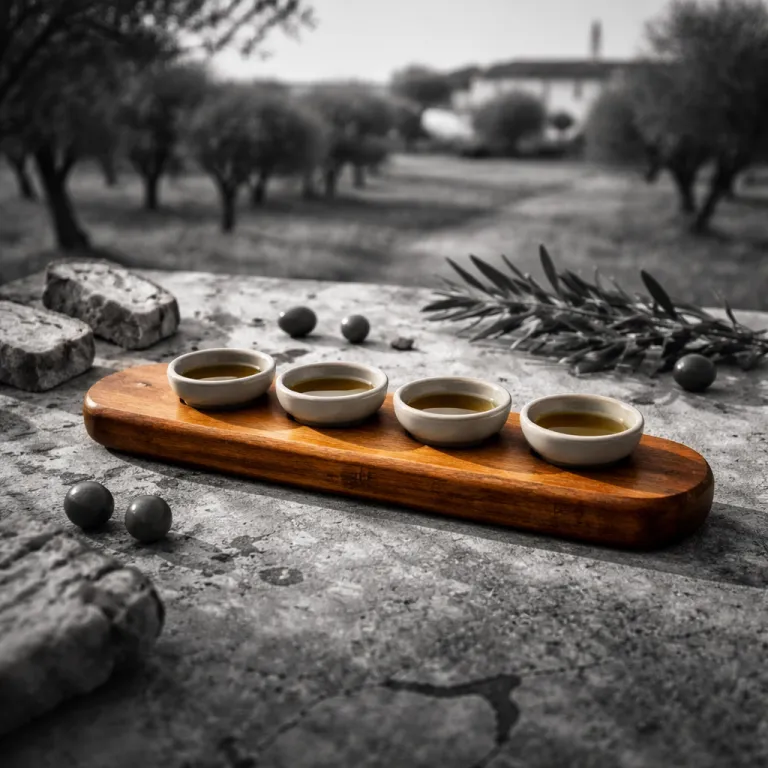
Alentejo olive oil estate tour as a lens on luxury stays
Think of an Alentejo olive oil estate tour as your key to the region’s real luxury. The best hotels in Alentejo quietly orbit working estates where olive trees, vineyards and cork forests still dictate the day more than any spa schedule. For a traveler choosing between Évora, Reguengos de Monsaraz or the wider Alentejo countryside, following the olive oil trail brings you straight to the most characterful properties.
From Évora you can plan a half day visit that folds an oil tasting, a short walk through an olive grove and a late lunch into one elegant loop. Many premium hotels near the city partner with confirmed estates such as Herdade do Esporão, Mainova, Santa Vitória or Marmelo Mill, arranging private transfers so your tour feels seamless rather than packaged. This is where the Solo Explorer persona thrives, moving between a design forward farm conversion and a working oil farm in under an hour.
Alentejo’s reputation for bold red wines often overshadows its olive oils, yet the same estates usually produce both wine grapes and olive oil with equal care. That dual focus matters when you are booking a stay, because a property attached to a serious cellar will usually offer structured wine tasting alongside guided oil tasting sessions. You are not just booking a room in southern Portugal; you are buying into a daily rhythm of harvest, pressing and tasting that runs far deeper than a poolside cocktail.
On a well curated Alentejo olive oil estate tour, you will taste oils pressed from Galega, Cobrançosa and Cordovil olives, each with its own profile. Galega olive oil tends to be softer and slightly sweet, Cobrançosa leans greener and more peppery, while Cordovil often brings a firmer bitterness that food friendly palates love. Understanding these differences turns every bread basket in the region, from Évora wine bars to countryside farm kitchens, into a quiet masterclass.
Luxury hotels that take this seriously will brief you on the estates they work with, the cultivars you will meet and the timing of your visit. Harvest season for most Alentejo olive farms runs from October to December, and this is when mills are loud, fragrant and fully alive. Outside those months, the olive mill is calmer, but tastings, walks through the olive groves and visits to cork forests still offer a rich experience of the Alentejo region. As a planning rule of thumb, expect a classic visit with grove walk, mill tour and tasting to last around three hours door to door from Évora.
From Évora to the groves: a solo friendly half day route
Évora is the most strategic base for a solo traveler planning an Alentejo olive oil estate tour without a driver. The city’s compact center, strong hotel scene and frequent regional connections make it easy to pair a morning in the olive trees with an evening exploring azulejo lined cloisters and quiet wine bars. Many luxury and premium properties here understand that guests want both privacy and access, so they curate half day experiences that start and end at the lobby door.
A classic route begins with a mid morning transfer from Évora to an estate such as Mainova, where a guide walks you through the olive grove before any formal tasting. In around 30 to 45 minutes you move from whitewashed streets to rows of olive trees, learning how spacing, irrigation and soil shape both olive oils and local wine. For a Solo Explorer, this is the sweet spot; enough structure to feel cared for, enough freedom to linger under a cork oak or photograph the Alentejo countryside without a group pressing you on.
After the grove, you step into the olive mill where stainless steel tanks replace stone lagares, and the talk turns to extraction temperatures and what makes a true virgin olive oil. Guides at serious estates will explain why oil tasting uses blue glasses, how to warm the olive oil in your hand and what defects to avoid. You swirl, inhale, then sip, noting fruitiness, bitterness, pungency and balance across at least three oils, which is the minimum for a meaningful tasting flight.
Many estates pair this with a simple but refined lunch, often in a tiled room that nods to Évora’s azulejo heritage. Expect bread still warm from the oven, a drizzle of new season olive oil, perhaps a tomato salad, and one or two local wines poured with quiet pride. It is not the infinity pool that stays with you, but the bread soup the housekeeper makes from yesterday’s loaf and this morning’s olive oil, eaten slowly after a morning among the trees.
If your Alentejo journey also includes the coast, you can weave this inland experience into a broader itinerary of Portuguese beach escapes and countryside stays. Our refined guide to Portuguese beach escapes from Alentejo’s luxury stays shows how to balance Comporta’s dunes with Évora’s cloisters and the olive farms in between. For many readers of stay-in-alentejo.com, that mix of sea salt, wine tasting and oil farm visits defines the perfect long weekend in this part of Portugal. When you book, ask your hotel concierge for a “half day olive oil and wine experience from Évora” and request an 09:30 or 10:00 lobby pickup for the smoothest timing.
Three estates that take visitors seriously – and where to stay nearby
Not every farm in the Alentejo region is set up for guests, which is why choosing the right estates for your Alentejo olive oil estate tour matters. You want places where hospitality is part of the culture, not an afterthought bolted onto production. Three names consistently respect visitors’ time and curiosity while still feeling like working properties rather than stage sets.
Herdade do Esporão, often written as Herdade Esporão, near Reguengos de Monsaraz, is the benchmark for combining wine tasting, oil tasting and serious food. The estate’s olive mill sits alongside a major winery, so you can move from a structured flight of olive oils to a line up of Alentejo wine and white wines in a single afternoon. Their restaurant leans into traditional recipes, turning local olive oil into the quiet star of every course, from simple vegetables to slow cooked meats.
Further north, Mainova near Évora offers a more intimate experience, with smaller groups and guides who happily adjust the pace for solo travelers. Here, the focus is on organic olive grove management, low intervention wine production and the interplay between cork forests and vineyards in the surrounding Alentejo countryside. It is an excellent match for guests staying in converted farmhouses and monasteries, where the silence at night feels as carefully curated as the wines.
To the south, Marmelo Mill in Ferreira do Alentejo showcases a modern, high capacity olive mill that still respects traditional quality benchmarks. A visit here helps you understand how Portugal became a major olive oil producer while maintaining strict standards for virgin olive and extra virgin olive oils. Pairing this with a stay in Beja or a nearby countryside hotel gives you a different angle on the region, one where scale and innovation sit comfortably beside age old groves.
Choosing where to sleep around these estates is as important as picking the right tour, and our guide to where to stay in the Alentejo breaks down the trade offs. Monastery conversions near Évora suit travelers who want cloistered calm after a day in the fields, while Beja herdades work better if you plan multiple day trips to oil farms and wineries. Around Reguengos de Monsaraz, hillside properties with views over the Alqueva lake give you a dramatic backdrop to evenings spent with a glass of Évora wine or a structured flight of Alentejo wine. When comparing options, look for notes like “on site tastings,” “partner estates” or “private transfers available,” which signal that olive oil visits are built into the stay rather than improvised.
How to taste Alentejo olive oil like a pro – and why it shapes your stay
A well run Alentejo olive oil estate tour will not rush the tasting, because this is where the region’s character becomes tangible. You usually sit at a simple table, three or more blue glasses in front of you, each hiding a different oil. The protocol is precise but not intimidating, and once you learn it, every hotel breakfast in Alentejo becomes more interesting.
The first step is warmth; you cradle the glass in your palm for a minute, coaxing the olive oil to release its aromas. Then you inhale deeply, searching for fruitiness that might suggest green apple, tomato leaf or fresh cut grass, depending on whether the oil leans Galega, Cobrançosa or Cordovil. A great guide will encourage you to name what you smell, not what you think you should smell, which is liberating for solo travelers unused to formal tastings.
Next comes the sip, a small but deliberate mouthful that you roll across your tongue before drawing in a little air. Here you assess bitterness and pungency, the peppery tickle at the back of your throat that signals a high level of polyphenols in many Alentejo olive oils. The goal is not to find the smoothest oil, but to understand how different profiles suit different foods, from grilled fish to hearty bread soups.
Most estates will then pour a local wine, often a white or light red, to reset your palate and show how wine tasting and oil tasting can complement each other. In places like Herdade Esporão, the progression from olive oils to wines feels natural, because both products come from the same parcels of land. You begin to see why many luxury hotels in the Alentejo region build their culinary identity around a tight circle of producers rather than chasing novelty.
By the time you sit down to lunch, you will have a clearer sense of what you like, which makes even a simple meal feel curated. A drizzle of robust Cobrançosa over grilled vegetables, a softer Galega on fresh cheese, a balanced Cordovil with slow cooked pork – these are small decisions that shape your memory of the day. Back at your hotel, that knowledge turns the welcome tray of bread, olives and a small bottle of house olive oil into a personal tasting, not just a generic amenity. If you want to practice, you can even ask at check in whether the property can arrange a short in house tasting using oils from their partner estates.
Seasonality, harvest timing and planning your luxury base
Season shapes every Alentejo olive oil estate tour, and understanding the calendar helps you choose both dates and hotels. Harvest runs roughly from October into December, when groves hum with machinery, temporary workers fill the fields and olive mills operate almost around the clock. It is an intense, fascinating period, but also one where estates are busy and some luxury properties lean into a more energetic, agritourism feel.
Outside harvest, from late winter through spring and into early summer, the pace in the Alentejo countryside slows, and the experience shifts. You might not see olives being pressed, yet you gain long, quiet walks among flowering olive trees, cooler temperatures for day trips and more time with guides during tastings. For many Solo Explorers, this is the ideal moment to base themselves in a high end farm conversion or a monastery hotel and use it as a hub for visits to oil farms and wineries.
When you plan, remember that notes such as “tours available daily” and “advance booking recommended” are not marketing lines but practical advice. Estates that take visitors seriously limit group sizes, especially for structured oil tasting and wine tastings, so last minute requests can be difficult. Booking through your hotel concierge often secures better time slots, private transfers and, occasionally, access to areas of the olive mill or cellar not open to regular groups.
As you refine your itinerary, consider pairing inland stays with a night or two in Vila Viçosa or another historic town. Our report on a five star opening inside a Vila Viçosa monastery shows how the region’s hospitality is evolving at the top end. These properties often build close relationships with estates like Herdade Esporão or Mainova, meaning your room key can unlock private tastings, extended visits or tailored food pairings.
Whatever the season, the essence of luxury in Alentejo is time – an unhurried hour in the shade of a cork oak, a long lunch after a mill visit, a quiet evening glass of Évora wine on a terrace overlooking the fields. Choose hotels that respect that rhythm, and your Alentejo olive oil estate tour will feel less like an activity and more like a thread running through your entire stay. In a region where wheat, wine, cork and silence still set the tempo, that is the real upgrade.
FAQ
What is the best time to visit Alentejo for olive oil tours ?
The most immersive time for an Alentejo olive oil estate tour is harvest season, typically from October into December. During these months, you can see olives being picked, watch the olive mill in full operation and taste freshly pressed virgin olive oil. Outside harvest, tours still run year round, with more tranquil walks in the olive groves and unhurried tastings.
Are Alentejo olive oil estate tours suitable for solo travelers ?
Yes, estates around Évora, Reguengos de Monsaraz and the wider Alentejo region are increasingly set up for solo visitors. Many luxury and premium hotels can arrange private transfers, small group tastings and flexible start times, making a half day visit easy without renting a car. Solo travelers often appreciate the slower pace, direct access to guides and the chance to combine oil tasting with wine tasting in one experience.
Do I need to book Alentejo olive tours in advance ?
Advance booking is strongly recommended, especially if you want structured oil tasting sessions or combined wine tastings at estates like Herdade Esporão or Mainova. Smaller properties limit group sizes to preserve quality, and harvest season dates fill quickly. Booking through your hotel often secures better time slots and can include transport from your base in Évora or nearby towns.
Can I combine olive oil, wine and cork on the same day ?
Many curated itineraries in Alentejo Portugal combine an olive grove walk, an olive mill visit, a cork forest stop and a wine tasting in a single day. Around Évora and Reguengos de Monsaraz, distances between farms, wineries and cork estates are short, usually under an hour by car. For a more relaxed pace, consider focusing on olive oil and wine one day, then adding cork and cultural visits on another.
Which Alentejo areas are best for staying near olive oil estates ?
Évora is the most versatile base, with strong hotel options and easy access to estates such as Mainova and Marmelo Mill. Reguengos de Monsaraz works well if you want to focus on Herdade Esporão and combine Alentejo wine with olive oil experiences. Further south, Beja and its surrounding herdades suit travelers interested in larger scale mills and quieter countryside stays.