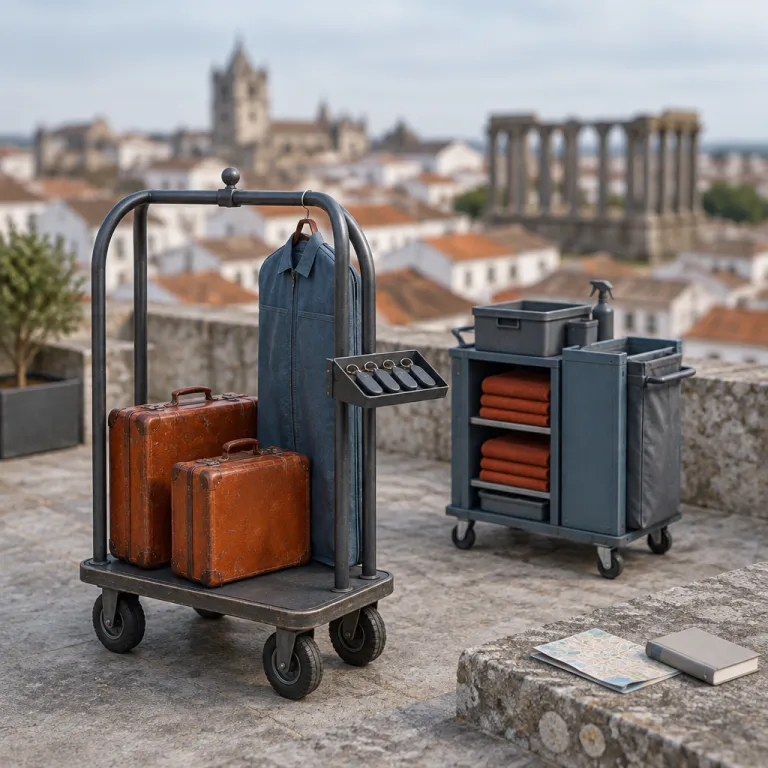
Evora, Portugal as the refined gateway to Alentejo
Evora, Portugal sits at the heart of the Alentejo and distils the region’s quiet elegance. The walled city rises from golden plains, where whitewashed houses and terracotta roofs frame every view. Within this compact area, Roman ruins, medieval streets, and serene convents create a rare sense of continuity.
Walking through the historic centre, you move from a Roman temple to a Gothic cathedral in minutes. The old town has been a UNESCO World Heritage Site since 1986, and that status shapes how premium hotels restore palaces and monasteries with care. Many travellers once treated Evora as a quick stop, yet the city now rewards longer, more considered stays.
The Roman temple of Évora stands beside the museum and gardens, anchoring the city’s classical past. Nearby, the cathedral of Évora, often called cathedral Evora, offers rooftop views across the Alentejo plains. At night the stones glow softly, and the atmosphere feels almost theatrical yet remains authentically Portuguese.
Historic quarters and where to stay
Most luxury hotels in Evora, Portugal cluster inside or just outside the walls. Staying in an elegant hotel in the old city lets you walk to every church, chapel, and square in minutes. For guests who prefer space and a pool, converted estates on the edge of town offer resort style comfort.
The former convent Convento do Espinheiro, now known as Convento Espinheiro, is the best known five star hotel near Evora. This star hotel blends monastic cloisters, a serious hotel spa, and extensive gardens with vineyards and a large pool. Guests can visit the city by day, then retreat to this quiet sanctuary at night.
Inside the walls, a refined inn in Evora often occupies a noble townhouse with stone arches and azulejo tiles. Properties such as M’AR De AR Aqueduto or similar smaller hotels usually provide fewer rooms but more tailored service and thoughtful design. When reading reviews, look for comments about noise levels, parking access, and walking distance to the cathedral.
Planning a stay in Evora central: how many nights and when to go
For most travellers, two or three nights in Evora, Portugal strikes the right balance. One full day trip rarely allows time for both the Roman sites and the quieter churches. A longer stay lets you enjoy your hotel pool, explore the Alentejo countryside, and still linger over Portuguese dinners.
Many visitors arrive from Lisbon or the United States and underestimate distances across Alentejo. The drive from Lisbon airport to Evora central usually takes around ninety minutes on good roads. If you plan to visit the city as part of a wider circuit, allow time for slow detours through vineyards and cork forests.
Season matters greatly when choosing a luxury hotel in Evora Alentejo. Summer brings intense heat, so a generous pool and shaded gardens become essential comforts. Shoulder seasons offer softer light, lower average temperatures, and often more attractive rates for premium hotels.
Best seasons and rate patterns
High summer in Evora, Portugal can see daytime temperatures above 35 °C. According to the Portuguese Institute for Sea and Atmosphere (IPMA), July and August average around 30–32 °C, with frequent hotter days. In these months, a hotel spa with indoor pool or cool stone treatment rooms feels less like a luxury and more like a necessity.
For refined travellers, the Alentejo shoulder season often delivers the best value. Country estates and city hotels Evora may offer quieter lounges, more attentive service, and a calmer atmosphere. To understand these patterns in depth, specialised guides to September in the Alentejo and shoulder season estates can be especially helpful.
When reading previous guest reviews, pay attention to comments about air conditioning and shade. In a heritage site city like Evora, older buildings can retain heat if not carefully renovated. A thoughtful hotel will combine thick walls, modern systems, and quiet courtyards to keep rooms comfortable at night.
Evora’s sacred and Roman heritage: what to visit from your hotel
Staying in Evora, Portugal places you within walking distance of some of Europe’s most atmospheric sacred spaces. The Igreja de São Francisco houses the famous chapel of bones, a small side chapel lined with human skulls and bones. This chapel of bones invites a reflective visit rather than a rushed photo stop.
Many travellers plan their day trip around both the chapel and the cathedral Evora. The cathedral’s rooftop terrace offers one of the finest views over the city and surrounding Alentejo countryside. From here you can trace the line of the walls, the Roman temple, and the distant plains.
The Roman temple of Évora stands in a landscaped square, framed by museums and elegant houses. Its granite columns, often simply called the Roman temple, date from the first centuries of the Portuguese territory under Rome. Evening light here is particularly beautiful, and many guests return from their hotels for a second look.
Churches, chapels, and reflective spaces
Beyond the headline sites, Evora, Portugal shelters many quieter churches and cloisters. The church of São João Evangelista, near the Roman temple, hides exquisite azulejo panels behind a modest façade. These smaller churches often feel more intimate, especially outside peak visit hours.
When planning your route from your hotel in Evora central, group nearby sites to avoid backtracking in the heat. For example, combine the cathedral, Roman temple, and adjacent museum in one morning. Then reserve the chapel of bones and São Francisco church for a cooler late afternoon visit.
Luxury and premium hotels Evora sometimes arrange private guides for guests who want deeper context. A knowledgeable guide can connect the chapel bones, the cathedral, and the Roman remains into a coherent narrative. This kind of curated visit often transforms a simple walk into a richer understanding of Evora Alentejo.
Top Alentejo destinations around Evora: day trips and overnights
Evora, Portugal works beautifully as a base for exploring wider Alentejo. Many travellers choose a hotel in the city for the first nights, then extend their stay in vineyards or lakeside retreats. This combination balances cultural depth with rural calm.
One of the most compelling nearby sites is the Almendres Cromlech, a prehistoric stone circle west of Evora. The Almendres Cromlech predates the Roman presence and offers a powerful sense of continuity across the Portuguese landscape. Arrive early or near sunset, when the light softens and the area feels almost private.
To the east, the fortified village of Monsaraz overlooks the Alqueva reservoir, another highlight of Alentejo. From a hotel in Evora, the drive to Monsaraz makes an easy day trip through vineyards and olive groves. Some guests choose to spend a night in the area to enjoy the dark sky reserve and lakeside tranquillity.
Slow travel and lakeside stays
For travellers who enjoy water and quiet, Alqueva offers a different rhythm from Evora, Portugal. Houseboat rentals and lakeside inns provide a gentle contrast to the stone streets of the city. A curated guide to houseboating on Alqueva can help you decide whether to add a few nights afloat.
North of Evora Alentejo, wine estates around Estremoz and Borba combine cellar tours with refined accommodation. Many of these properties offer pools with vineyard views, ideal after a morning visit to local marble towns. When comparing hotels, look for clear information about distances back to Evora and late night dining options.
Guests arriving from the United States often appreciate structuring their first days gently. A few nights in a calm hotel spa near Evora, followed by a rural inn, eases jet lag and encourages slower travel. This pattern allows you to visit the city thoroughly while still sampling the breadth of Alentejo.
Choosing the right luxury or premium stay in Evora
Selecting a hotel in Evora, Portugal begins with clarifying your priorities. Some travellers want to stay inside the walls, steps from the cathedral and Roman temple. Others prefer a resort style property with a large pool, gardens, and a full hotel spa.
Convento Espinheiro remains the reference five star hotel near the city, especially for guests who value history and space. Its cloisters, chapel, and extensive grounds create a self contained retreat only a short drive from Evora central. Many previous reviews praise the balance between heritage architecture and contemporary comfort.
Within the walls, smaller luxury hotels Evora often occupy restored mansions with fewer rooms. These properties may not label themselves as a boutique hotel, yet they offer similarly intimate service and design. When reading reviews, focus on comments about staff attention, breakfast quality, and room soundproofing.
Key features to evaluate
For stays in Evora, Portugal during warmer months, a well maintained pool is almost essential. Check whether the pool area offers shade, comfortable loungers, and bar service throughout the day. Some hotels also provide late night access, which can be especially pleasant after an evening walk.
Room size and layout vary widely in heritage site buildings. Average room sizes in converted palaces may be smaller than in purpose built hotels, but high ceilings and thoughtful design often compensate. If space matters, consider booking a junior suite or corner room and confirm details directly with the hotel.
Location within the city also shapes your experience. A hotel in Evora central near the main square offers immediate access to cafés and restaurants but may be livelier at night. Properties just outside the walls often provide easier parking and quieter surroundings while remaining within walking distance of key sites.
Practicalities: getting to Evora and structuring an Alentejo itinerary
Reaching Evora, Portugal usually involves arriving through Lisbon airport, as there is no dedicated Evora airport for commercial flights. From Lisbon, you can rent a car, take a coach, or arrange a private transfer. Driving offers the most flexibility for exploring the wider Alentejo region and its dispersed estates.
Once in the city, most visitors leave their car at the hotel and explore on foot. The walled area is compact, and walking between the cathedral, Roman temple, and chapel of bones rarely takes more than fifteen minutes. Comfortable shoes and a light bag make a bigger difference than any transport option inside the city.
For travellers planning a broader Alentejo journey, Evora works well as the first or last stop. You might begin with two nights in a hotel Evora, continue to a vineyard inn, then end at a lakeside retreat. Curated itineraries from specialists in refined stays, such as those presented in Portugal tours for refined stays in Alentejo’s most elegant hotels, can streamline this planning.
Balancing city and countryside stays
When structuring nights between Evora, Portugal and the countryside, consider your personal pace. Some guests prefer three nights in the city followed by three nights in a rural hotel spa. Others choose shorter city stays and more time among vineyards, cork forests, or the Alqueva shoreline.
Think about how many formal visits you truly enjoy in a day. A morning at the cathedral Evora and Roman temple, an afternoon at the chapel bones, and an evening wine tasting already create a full schedule. Leaving unplanned time around your hotel pool or in a quiet square often leads to the most memorable moments.
Finally, remember that Alentejo distances can feel longer than they appear on a map. Roads are generally good, but the pleasure lies in unhurried travel between whitewashed villages and open plains. Building this slower rhythm into your plan will make both Evora and the wider region feel more generous.
Key figures and travel statistics for Evora and Alentejo
- According to Turismo de Portugal, the Alentejo region received around 1.1 million international overnight stays in 2023, with Evora, Portugal ranking among its most visited cities by foreign guests.
- UNESCO reports that the historic centre of Evora has been listed as a World Heritage Site since 1986, recognising its exceptional preservation of Roman, medieval, and Renaissance architecture.
- Average summer temperatures in Evora often exceed 30 °C, based on data from the Portuguese Institute for Sea and Atmosphere (IPMA), which makes access to a pool or cool indoor spaces particularly valuable for daytime comfort.
- Driving time from Lisbon to Evora is typically around ninety minutes for a distance of roughly 130 km, according to official Portuguese road information, making the city an accessible first stop in an Alentejo itinerary.
- Surveys by Turismo do Alentejo indicate that visitors who combine city stays in Evora with at least one night in the countryside report higher overall satisfaction scores than those who limit their trip to a single base.
FAQ about Evora, Portugal and luxury stays in Alentejo
How many nights should I stay in Evora, Portugal for a first visit ?
Most travellers find that two or three nights in Evora, Portugal allow enough time to see the Roman temple, cathedral, chapel of bones, and main churches at a comfortable pace. This duration also leaves space to enjoy your hotel pool or spa and sample local restaurants. If you plan day trips to Almendres Cromlech or Monsaraz, consider adding an extra night.
Is Evora a good base for exploring the wider Alentejo region ?
Evora works very well as a base because it sits near the centre of Alentejo and connects easily by road to wine towns, fortified villages, and the Alqueva reservoir. From a hotel in Evora central, you can plan day trips to Almendres Cromlech, Estremoz, or Monsaraz without changing hotels every night. Travellers who prefer slower travel often combine Evora with one additional rural stay.
What type of luxury hotels can I expect to find in Evora ?
In Evora, Portugal you will find a mix of converted convents, noble townhouses, and contemporary properties offering four or five star hotel standards. Convento Espinheiro is the best known historic resort style hotel, with extensive grounds, a spa, and a large pool. Inside the walls, smaller luxury hotels Evora focus on personalised service, refined décor, and proximity to key sights.
Do I need a car to enjoy Evora and nearby attractions ?
You do not need a car to enjoy the main sights inside Evora, Portugal, as the historic centre is compact and walkable. However, a car or private driver becomes very useful for visiting Almendres Cromlech, Monsaraz, vineyards, and other rural parts of Alentejo. Many guests rent a car in Lisbon, park at their hotel in Evora, and then use it only for day trips.
When is the best time of year to book a luxury hotel in Evora ?
The most comfortable periods for a luxury stay in Evora, Portugal are usually spring and autumn, when temperatures are milder and crowds lighter. Summer can be very hot, so choosing a hotel with a good pool and effective air conditioning is essential. Shoulder seasons often offer a favourable balance between pleasant weather, availability in top rated hotels, and more attractive average nightly rates.